How to Read the Chinese Almanac (Huang Li & Tong Sheng): Unlock Auspicious Dates for Luck and Prosperity
## What Are the Huang Li and Tong Sheng? The Huang Li (黄历), also known as the "Imperial Calendar," "Tong Sheng (通胜)," or "Farmer's Almanac," is a traditional Chinese almanac that has guided daily life
How to Read the Chinese Almanac (Huang Li & Tong Sheng) Feng Shui: Unlock Auspicious Dates for Luck and Prosperity
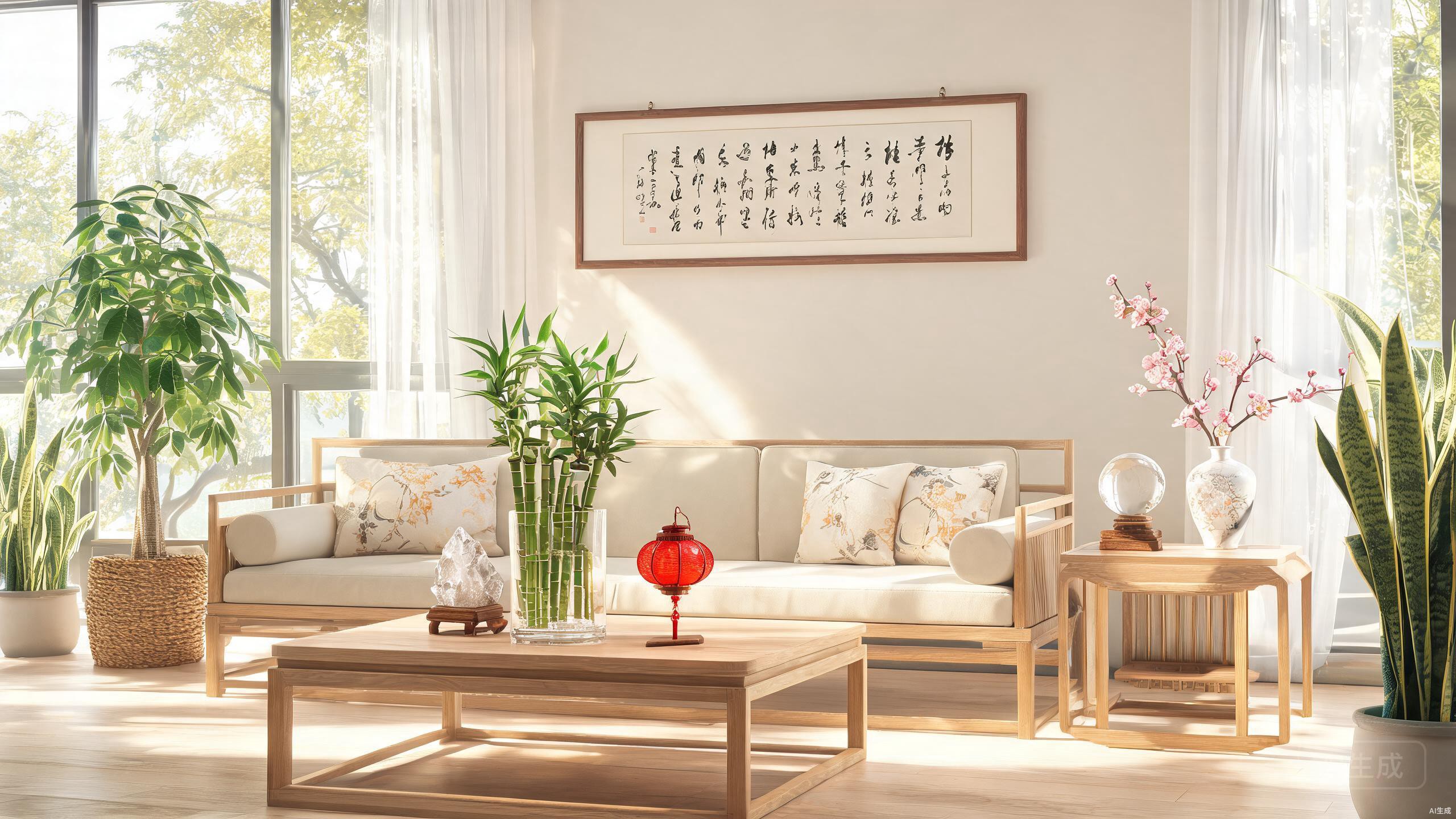
What Are the Huang Li and Tong Sheng?
The Huang Li (黄历), also known as the "Imperial Calendar," "Tong Sheng (通胜)," or "Farmer's Almanac," is a traditional Chinese almanac that has guided daily life for centuries. Far more than a simple calendar, it contains rich information on astronomy, weather patterns, agricultural activities, and auspicious and inauspicious timings — serving as an essential reference for planning both everyday tasks and major life events.
The name "Tong Sheng" evolved from "Tong Shu (通书, General Book)" because the character "book (shū)" sounds identical to "lose (shū, meaning 'to lose')." To avoid this unlucky association, people replaced it with "victory (shèng, meaning 'victory')," transforming the meaning to "Victory Through Everything" (通通胜利).
The History of the Chinese Almanac
Origins and Development
The origins of the Huang Li trace back to the pre-Qin period. Early astronomical officials observed celestial phenomena to compile calendars that guided agricultural production. By the Han Dynasty, almanacs began incorporating more detailed information about auspicious and inauspicious matters. During the Tang and Song Dynasties, the compilation system became increasingly standardized. By the Ming and Qing Dynasties, the format we recognize today had taken shape and has remained largely unchanged.
Official vs. Folk Almanacs
Official Huang Li:
- Compiled by the Qin Tian Jian (钦天监) — the Imperial Astronomical Bureau
- Rigorously maintained and uniform across the empire
- Reserved exclusively for the imperial family and officials
Folk Huang Li:
- Reprinted and circulated by private publishers
- Content varied by region and edition
- Widely available to ordinary households
Main Contents of the Chinese Almanac
Basic Calendar Information
Solar and Lunar Dates:
- Solar calendar date (Yang Calendar)
- Lunar calendar date (Yin Calendar)
- Stem-Branch notation for year, month, and day
Twenty-Four Solar Terms (节气):
- Beginning of Spring, Rain Water, Awakening of Insects, Vernal Equinox, Qingming Festival, Grain Rain
- Beginning of Summer, Grain Buds, Grain in Ear, Summer Solstice, Minor Heat, Major Heat
- Beginning of Autumn, End of Heat, White Dew, Autumnal Equinox, Cold Dew, Frost's Descent
- Beginning of Winter, Minor Snow, Major Snow, Winter Solstice, Minor Cold, Major Cold
Seventy-Two Pentads (七十二候): Each Solar Term is divided into three pentads, totaling seventy-two throughout the year. These describe the subtle shifts in nature and animal behavior corresponding to seasonal changes.
Auspicious and Inauspicious Information
Daily Deities and Stars:
- Duty Deity of the Day
- Duty Constellation of the Day
- Twelve Duty Stars of the Day
Auspicious Gods and Harmful Stars:
| Category | Common Examples |
|---|---|
| Auspicious Gods | Heaven Virtue, Moon Virtue, Heavenly Nobleman, Triple Harmony, Six Harmony |
| Harmful Stars | Tai Sui (Grand Duke), Year Breaker, Month Breaker, Three Sha, Five Yellow Sha |
Twenty-Eight Lunar Mansions (二十八宿):
- Eastern Azure Dragon (青龙) Seven Mansions: Horn, Neck, Root, Room, Heart, Tail, Winnowing Basket
- Northern Black Tortoise (玄武) Seven Mansions: Dipper, Ox, Maiden, Emptiness, Rooftop, Encampment, Wall
- Western White Tiger (白虎) Seven Mansions: Legs, Bond, Stomach, Pleiades, Net, Turtle Beak, Three Stars
- Southern Vermilion Bird (朱雀) Seven Mansions: Well, Ghost, Willow, Star, Extended, Wings, Chariot
Each day is presided over by one of the twenty-eight mansions, each with its own auspicious or inauspicious qualities.
Cultural Context: The Twenty-Eight Lunar Mansions are an ancient Chinese system of dividing the sky — much like the Western zodiac signs. However, instead of dividing the ecliptic into twelve segments, Chinese astronomy divides it into twenty-eight "lodges" along the celestial equator, each associated with particular energies and omens that influence daily fortune. The interplay of Yin and Yang — the dual forces of dark/light, passive/active — governs all Feng Shui applications.
Suitable and Unsuitable Activities (宜忌)
This is the most practical section of the almanac, advising what activities are favorable or unfavorable on any given day.
Common Activity Categories:
- Marriage, engagement
- Moving house, settling in
- Opening business, breaking ground for construction
- Travel, tourism
- Excavation, renovation
- Burial, ancestral worship
- Signing contracts, transactions
- Seeking medical treatment
Additional Information
Daily Clashes (冲煞):
- Which Chinese Zodiac animal is clashed on that day
- Direction of harmful energy
Fetal God (胎神):
- Direction where the Fetal God resides each day
- Pregnant women should avoid this area
Auspicious and Inauspicious Hours:
- Lucky time periods during the day
- Unlucky time periods to avoid
Pengzu Taboos (彭祖百忌):
- Activities forbidden on each day
- Examples: "On Jia days, do not open storage," "On Yi days, do not plant"
How to Read the Chinese Almanac
Basic Reading Method
Step 1: Check the Date Confirm both the solar and lunar dates, along with the Stem-Branch designation.
Step 2: Review Suitable and Unsuitable Activities Look at the day's "Yì (宜, Suitable)" and "Jì (忌, Unsuitable)" sections to find guidance for activities you are planning.
Step 3: Check Auspicious Gods and Harmful Stars Identify which favorable deities are present and which negative influences to be aware of.
Step 4: Check Daily Clashes See which Zodiac animal is clashed and which direction contains Sha Qi.
Step 5: Choose an Auspicious Hour If timing matters, select one of the day's favorable hours for your important activity.
Example Reading
Suppose the almanac for a particular day shows:
Solar Date: March 15, 2025
Lunar Date: 16th Day, 2nd Month, Yi Si Year
Stem-Branch: Yi Si Year, Ji Mao Month, Ding Chou Day

Duty Star: Cheng Day (成日, Success Day)

Suitable: Marriage, Ancestral Worship, Prayer for Blessings,
         Prayer for Heirs, Consecration, Travel, Lighting Lanterns,
         Demolition, Excavation, Moving In, Relocation,
         Setting Up Bed, Planting
Avoid: Burial, Funeral Rites, Making Bed Curtains

Auspicious Gods to Approach: Heaven Virtue, Moon Virtue,
                             Heavenly Grace, Four Phases, Hour Virtue
Harmful Stars to Avoid: Month Sha, Month Void, Blood Branch

Clash: Clashes Goat (Xin Wei), Sha in East

Auspicious Hours: Yin, Mao, Si, Shen, Xu hours

Pengzu Taboos: On Ding days, do not cut hair;
              On Chou days, do not wear hats
Interpretation:
- This is a "Cheng Day (成日, Success Day)" — one of the most auspicious days among the Twelve Duty Stars
- Favorable for marriage, moving, and construction; avoid burials
- With Heaven Virtue and Moon Virtue present, the day carries strong positive energy
- Goat zodiac individuals should exercise caution on this day
- Sha Qi is concentrated in the East — avoid excavation or major activity in that direction
- Five auspicious hours are available for scheduling important activities
Quick Tips:
- Always begin by checking both solar and lunar dates — Chinese festivals and traditional activities follow the lunar calendar
- When planning a major life event (wedding, move, business opening), look for days where the "Suitable" list includes your activity AND has strong auspicious stars present
- If your zodiac sign appears in the "Clash" section, consider postponing important decisions or take extra precautions
Important Usage Guidelines
Variations Between Versions
Many different versions of the Huang Li exist on the market, and interpretations of suitable and unsuitable activities may differ between editions. This is because:
- Regional customs vary significantly
- Calculation methods differ between traditions
- Folk legends and oral traditions have added local variations
Recommendations:
- Choose versions from authoritative publishers
- Follow mainstream interpretations as your baseline
- For major decisions, consult multiple reputable sources
Don't Rely on It Exclusively
The Huang Li is a reference tool, not an absolute guide. Always balance it with practical wisdom:
- Combine with Reality: Consider weather, work schedules, and personal circumstances
- Adapt to Locality: Different regions have different customs and traditions
- Consider the Individual: Combine with personal BaZi (Eight Characters) destiny chart
- Mindset Matters Most: A positive attitude outweighs any date selection
Modern Usage Recommendations
Daily Life:
- Use the almanac as a helpful reference for important activities
- Don't obsess over minor daily decisions
- Maintain a rational, balanced perspective
Major Life Events:
- Reference the almanac for weddings, moves, business openings, and other significant milestones
- Consider consulting a professional date-selection expert who can incorporate your personal BaZi
- The almanac provides the foundation, but your personal destiny chart adds precision
Using Digital Almanacs
Mobile Apps
Modern digital almanac apps offer rich functionality:
Common Features:
- Calendar lookup
- Suitable/unsuitable activity display
- Auspicious day recommendations
- Hourly fortune indicators
- Zodiac daily horoscope
- Solar Term reminders
Popular Apps:
- China Ten Thousand Year Calendar (中华万年历)
- Ten Thousand Year Calendar (万年历)
- Calendar Pass (日历通)
- Feng Shui Compass (风水罗盘)
Online Websites
Many websites also provide almanac lookup services:
- Simply enter the date to view daily information
- Some sites offer integrated BaZi analysis
- Search for auspicious days throughout the year
Advantages of Digital Almanacs
- Convenience: Query anytime, anywhere
- Richer Information: More detailed than most printed editions
- Smart Recommendations: Can suggest favorable dates for specific activities
- Personalization: Can integrate personal BaZi (Eight Characters) data
Special Days in the Chinese Almanac
Traditional Festivals
The almanac marks all major traditional festivals:
| Festival | Lunar Date | Customs |
|---|---|---|
| Spring Festival (春节) | 1st of 1st Month | New Year visits, firecrackers |
| Lantern Festival (元宵节) | 15th of 1st Month | Eat tangyuan, enjoy lanterns |
| Qingming Festival (清明节) | Qingming Solar Term | Tomb sweeping, spring outings |
| Dragon Boat Festival (端午节) | 5th of 5th Month | Eat zongzi, dragon boat races |
| Qixi Festival (七夕节) | 7th of 7th Month | Skills praying, lovers' day |
| Mid-Autumn Festival (中秋节) | 15th of 8th Month | Moon gazing, eat mooncakes |
| Double Ninth Festival (重阳节) | 9th of 9th Month | Mountain climbing, honoring elders |
| Winter Solstice (冬至) | Winter Solstice Solar Term | Eat dumplings, tangyuan |
Specially Auspicious Days
Heavenly Forgiveness Day (天赦日):
- Occurs four times per year
- All activities are favorable, especially prayer and seeking blessings
Heaven Virtue and Moon Virtue Days (天德、月德日):
- Occur monthly
- The most auspicious days of each month
Specially Inauspicious Days
Master Yang's Forbidden Days (杨公忌日):
- Thirteen days throughout the year
- Major activities should be avoided
Four Separations and Four Exhaustions Days (四离四绝日):
- The day before each seasonal transition
- Major activities should be avoided
Month Breaker Day (月破日):
- One day each month
- Major activities should be avoided
The Connection Between the Chinese Almanac and Feng Shui
The Huang Li is one of the most important tools in Feng Shui practice:
- Foundation of Date Selection: Feng Shui date selection is built upon the almanac
- Directional Reference: The Sha Qi directions in the almanac are key references for Feng Shui layout
- Timing Coordination: Feng Shui arrangements should align with auspicious timing
- Cultural Heritage: The almanac carries rich folk wisdom and traditions
Understanding the Chinese almanac is an essential foundation for studying and applying Feng Shui. May this guide help you better arrange your life, attract good fortune, avoid misfortune, and create a beautiful future.
Related Articles
- [[../09-Yin Dwelling风水/46-下葬吉日的选择方法.md|How to Choose an Auspicious Burial Date]]
- [[../01-风水入门/48-风水择日基础.md|Feng Shui Date Selection Basics: Traditional Wisdom for Choosing Lucky Days]]