Feng Shui and Moving House: Traditions for a Lucky and Prosperous New Home
The "joy of relocation" (乔迁之喜) is one of life's great milestones. In traditional Chinese culture, moving to a new home is far more than a physical change of address — it involves the migration of your
Feng Shui and Moving House: Traditions for a Lucky and Prosperous New Home
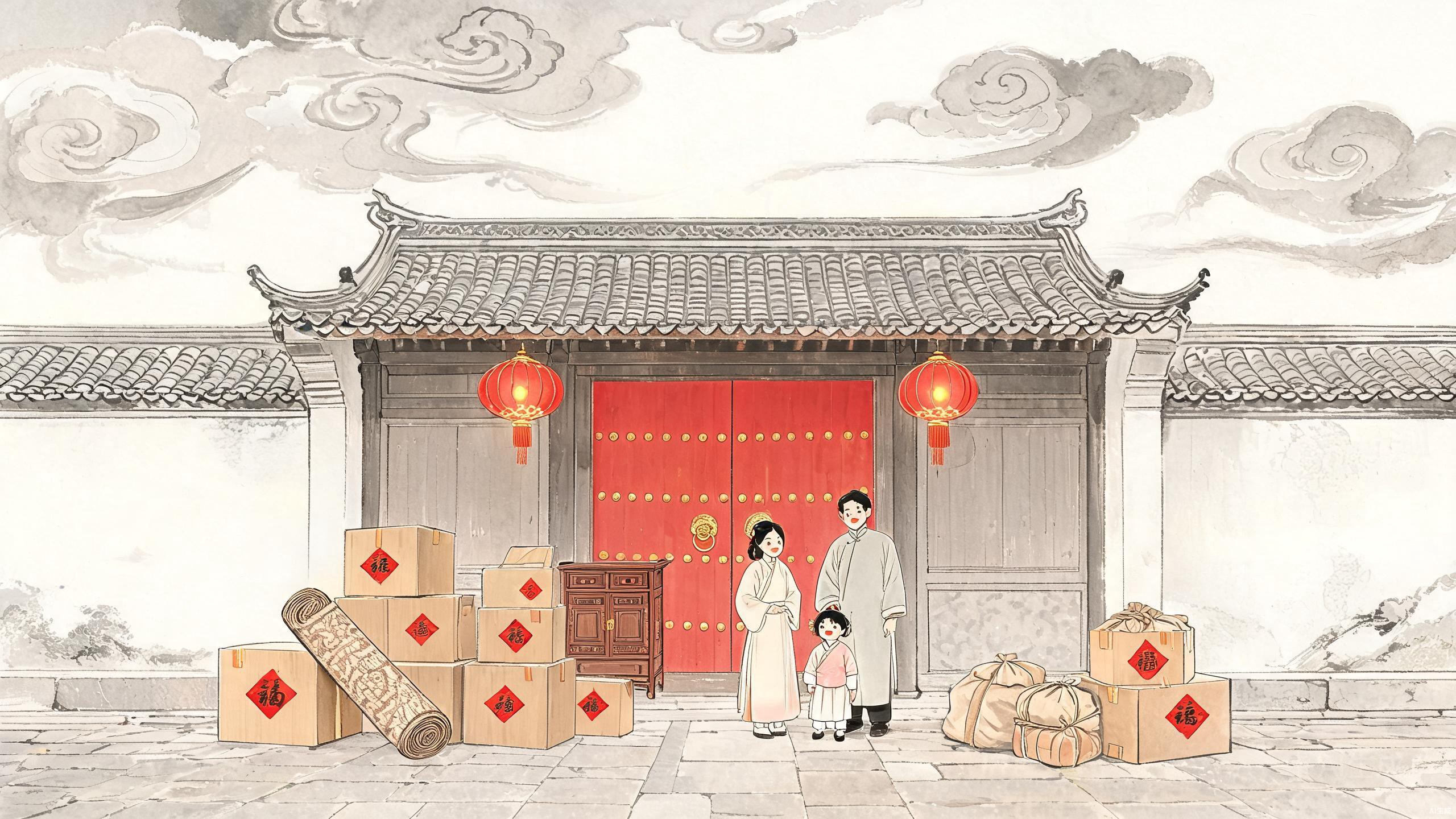
The "joy of relocation" (乔迁之喜) is one of life's great milestones. In traditional Chinese culture, moving to a new home is far more than a physical change of address — it involves the migration of your Feng Shui energy field. Every step matters: choosing the right date, selecting the perfect time, and performing the proper entry rituals.
Cultural Context: In Feng Shui, a home is a living vessel that holds and channels Qi for its occupants. When you move, you are essentially "re-rooting" your energy into a new environment. Traditional practices aim to ensure this transition is smooth, harmonious, and aligned with cosmic timing — setting the stage for prosperity and good fortune in your new chapter.
Key Feng Shui Considerations When Moving
| Moving Practice | What It Involves |
|---|---|
| Choosing an Auspicious Date | Selecting a lucky day according to the Chinese almanac |
| Choosing an Auspicious Time | Entering the new home at a favorable hour |
| Entry Ceremony | Worshipping the four corners, lighting the first flame |
| First Person to Enter | The head of household or male host enters first |
| Bringing Lucky Items | Carrying rice, oil, and a cooking pot — symbols of abundance |
Moving Stories from Feng Shui Tradition
Story 1: The Importance of Choosing the Right Date
A family moved into their new home without consulting an almanac, picking a random day that seemed convenient. Shortly after settling in, a string of misfortunes began to plague the household. They consulted a Feng Shui master, who discovered that the chosen day was in direct conflict (冲, chòng) with the head of the family's birth chart. The master recommended performing a "supplementary move" — holding a formal entry ceremony on a newly chosen auspicious date, even though they had already physically moved in. From that point on, the family's fortunes steadily improved.
Story 2: The "First Flame" Ritual
Traditional Chinese moving customs emphasize the "First Flame" (入宅开火) ritual — the household must cook a real meal in the new home on moving day itself. This act symbolizes "Fire flourishing, family thriving" (火旺家兴). One family moved in but ordered takeout instead of cooking, thinking it would save time and effort. A Feng Shui master later commented: "Without fire, the home remains cold. You must choose a new day to light the flame." The family followed this advice and felt the atmosphere of their home transform.
Story 3: Worshipping the Four Corners
Before officially entering a new home, many families perform the "Worshipping the Four Corners" (拜四角) ritual — burning incense at each of the four corners inside the house to "pacify" the local earth deities of all four directions. This practice ensures the energy field of the new home becomes harmonious and welcoming.
| Moving Ritual | How to Perform It | Symbolic Meaning |
|---|---|---|
| Choosing an Auspicious Date | Select a lucky day from the almanac | Aligning with Heaven's timing |
| Lighting the First Flame | Cook a meal on moving day | Fire flourishing, family thriving |
| Worshipping the Four Corners | Burn incense at all four corners | Pacifying the earth deities |
| Bringing Rice, Oil, and Pot | Carry these items into the new home first | Never lacking food or clothing |
Moving Day Taboos
| Moving Taboo | Why It Matters |
|---|---|
| Moving Without Choosing a Date | Random dates may clash with your birth energy and invite misfortune |
| Pregnant Women Should Not Move | Pregnancy is a delicate time; the upheaval of moving can disturb both mother and baby |
| You Must Sleep There on the First Night | Failing to stay overnight leaves the home "unclaimed" and energetically empty |
| Do Not Bring an Old Broom | Old brooms carry residual energy from the previous home |
How to Apply These Moving Traditions Today
You don't need to follow every ancient custom to benefit from the wisdom behind them. Here's a practical, modern adaptation:
- Check an Auspicious Date: Use a Chinese almanac app or consult a Feng Shui practitioner to find a date that doesn't clash with your birth chart
- Cook Your First Meal: Even something simple — boiled noodles or a pot of soup — establishes the "fire energy" of your new home
- Walk Through Each Room: Before unpacking, walk through all four corners of your home with intention, perhaps lighting incense or simply speaking words of welcome aloud
- Enter in the Right Order: The head of household crosses the threshold first, followed by other family members
- Bring Symbols of Abundance: A small bag of rice, a bottle of cooking oil, or a new kitchen item carried in first sets a tone of prosperity
Quick Tips:
- If you've already moved on an inauspicious date, don't worry — you can perform a "correction ceremony" on a later lucky day to reset the energy
- Avoid moving during the last month of the lunar year or during major holidays when Earth Qi is considered unstable
- On your first night, open all windows for a few minutes to let fresh Qi flow through the space before settling in
Feng Shui Knowledge Points
- Choosing an Auspicious Date (择吉日): Selecting a moving date based on the traditional almanac to avoid clashes with personal birth energy
- First Flame Ritual (入宅开火): Cooking a meal in the new home on moving day, symbolizing "Fire flourishing, family thriving"
- Worshipping the Four Corners (拜四角): Burning incense at the four corners of the home to pacify the local earth deities
- Clash (冲煞): When a particular day conflicts with someone's birth chart, making it inauspicious for that person to undertake major activities
- Joy of Relocation (乔迁之喜): The elegant expression for moving house. The term "乔迁" (literally "moving to tall trees") originates from the Book of Songs (《诗经》): "迁于乔木" — moving to a height, symbolizing upward progress in life
Related Articles
- [[../02-家居风水/53-新房入住仪式.md|New Home Entry Ceremony: Traditional Rituals and Blessing Process]]
- [[../02-家居风水/50-搬家入宅风水.md|Moving-In Feng Shui: Date Selection, Bed Placement, and First Flame Traditions]]
- [[../04-商业风水/48-搬迁风水.md|Business Relocation Feng Shui]]
- [[../07-风水故事/50-蒋大鸿传奇.md|The Legend of Jiang Dahong: Xuan Kong Master of the Late Ming and Early Qing]]