Modern Feng Shui Masters: How Ancient Kanyu Is Evolving in Today's World
Times are changing, and so is the ancient profession of the Feng Shui master. From rural "geography masters" to urban "Feng Shui consultants," from oral tradition to internet传播, modern Feng Shui pract
Modern Feng Shui Masters: How Ancient Kanyu Is Evolving in Today's World
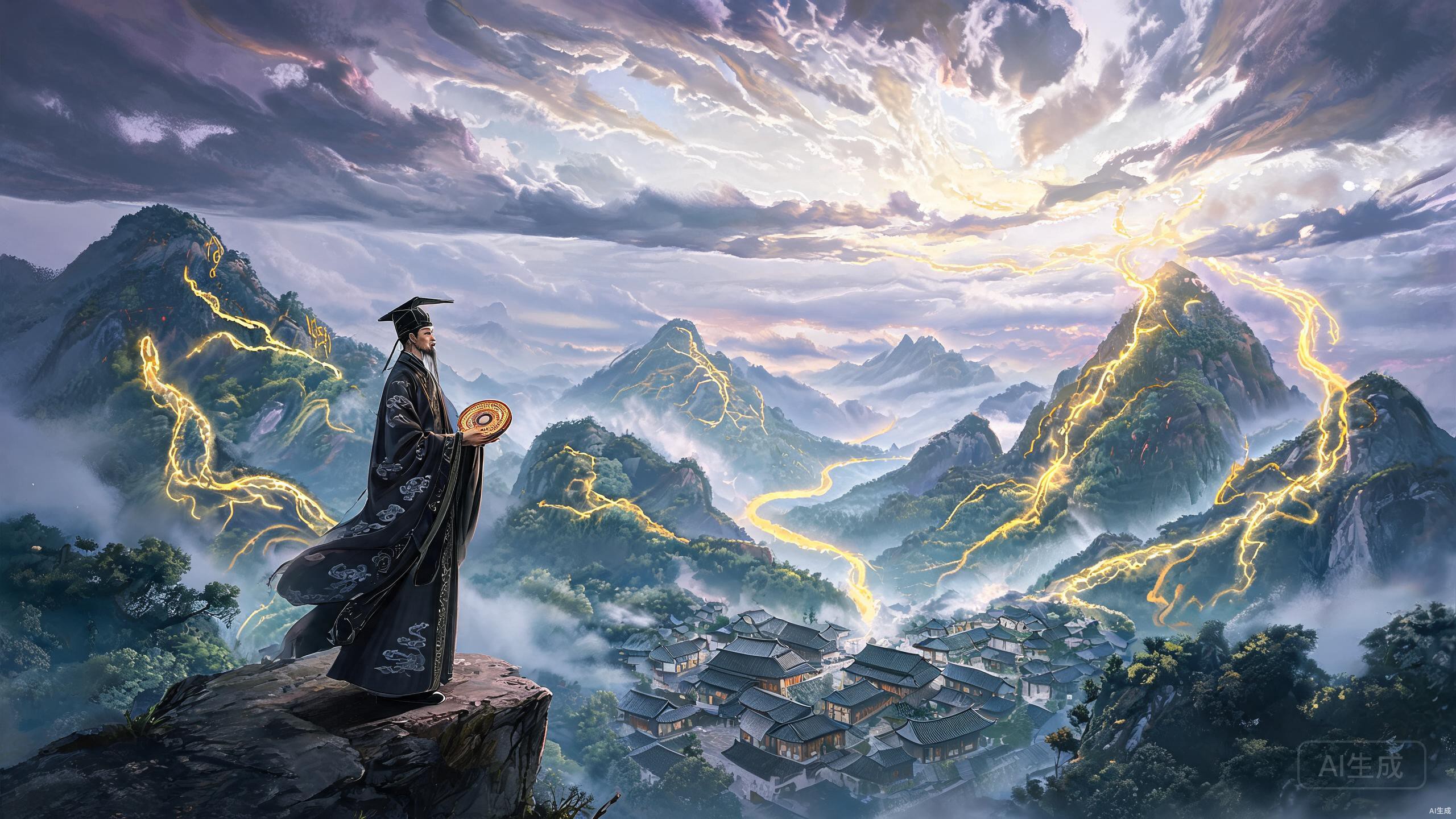
Times are changing, and so is the ancient profession of the Feng Shui master. From rural "geography masters" to urban "Feng Shui consultants," from oral tradition to internet传播, modern Feng Shui practitioners face a dual challenge: preserving authentic heritage while adapting to rapid transformation. This article shares the stories of several contemporary Feng Shui masters, illuminating how Feng Shui culture navigates the modern world.
From Countryside to City
1. The Older Generation of "Geography Masters"
Across the countryside, a generation of elder "geography masters" (地理先生) still carries the flame. Most learned through family lineage or apprenticeship, focusing primarily on Yin Dwelling Feng Shui (selecting grave sites) while also reading Yang Dwellings (residential homes). They walk from village to village, charging modest fees — sometimes whatever the family can offer — serving as the main custodians of rural Feng Shui culture.
| Old-Generation Traits | Details |
|---|---|
| Lineage | Family tradition or apprenticeship |
| Main Work | Yin Dwellings primary, Yang Dwellings secondary |
| Fees | Modest, often by donation |
| Influence | Carriers of rural Feng Shui heritage |
2. Urban "Feng Shui Consultants"
In cities — especially in Hong Kong, Taiwan, and coastal regions — a new wave of "Feng Shui consultants" has emerged. Most are professional practitioners serving corporations, the wealthy, and ordinary citizens, with a primary focus on Yang Dwellings (homes, shops, and offices).
| Urban Feng Shui Master Traits | Details |
|---|---|
| Clients | Corporations, wealthy individuals, citizens |
| Main Work | Yang Dwellings primary |
| Fees | Higher, project-based |
| Outreach | Internet, media, books |
Cultural Context: The shift from rural "geography masters" to urban "Feng Shui consultants" mirrors Feng Shui's transformation from a village craft into a global professional service. In the countryside, it remains tied to life events like burial and homebuilding; in cities, it has become a mainstream consulting industry — especially in Greater China, where corporate Feng Shui is now standard practice for major business decisions.
Hong Kong Feng Shui Masters
Hong Kong is one of the most developed regions for modern Feng Shui culture. Feng Shui holds significant influence in Hong Kong's business world, politics, and everyday life.
1. Commercial Feng Shui
Many major Hong Kong corporations consult Feng Shui masters before making significant decisions — site selection, ground-breaking ceremonies, interior design, grand openings, and even senior personnel changes may incorporate Feng Shui guidance. The previously discussed Cheung Kong Centre and Bank of China Tower stand as classic examples of commercial Feng Shui in action.
2. The Rise of Celebrity Feng Shui Masters
Certain Hong Kong Feng Shui masters have become public figures through newspaper columns, TV appearances, and bestselling books. These "celebrity Feng Shui masters" serve both billionaires and ordinary citizens, wielding broad cultural influence.
| Hong Kong Feng Shui Traits | Details |
|---|---|
| Commercialization | Serving corporations and the wealthy |
| Media Presence | Columns, TV, books |
| Celebrity Status | Some masters become public figures |
| International Reach | Services extend to overseas Chinese communities |
Cultural Context: Hong Kong's unique position as a crossroads between East and West — combined with its dense concentration of skyscrapers and cutthroat business competition — made Feng Shui an integral part of corporate decision-making. This environment produced the world's first "celebrity Feng Shui masters" and set the template for Feng Shui's professionalization worldwide.
The Situation of Mainland Feng Shui Masters
Unlike Hong Kong, mainland China's Feng Shui practitioners navigate a far more complex reality. On one hand, Feng Shui culture is experiencing a grassroots revival with strong demand; on the other, it remains officially categorized as "superstition" and lacks formal recognition.
1. A Grassroots Revival
Since the Reform and Opening-Up era, mainland China's renewed interest in traditional culture has driven rising demand for Feng Shui services. Whether building a new house, purchasing property, renovating, or relocating ancestral graves, many families seek the guidance of a Feng Shui master.
2. The Gray Zone
Mainland Feng Shui masters operate in a "gray zone" — neither officially prohibited (as "folk custom") nor officially recognized (as a profession). They cannot obtain formal occupational qualifications, and their work spreads mainly through word-of-mouth reputation.
3. Digital Outreach
The internet has opened new channels for mainland practitioners. Many use self-media platforms (WeChat official accounts, short videos, etc.) to share Feng Shui knowledge, build audiences, and blend "education" with "marketing."
| Mainland Feng Shui Master Status | Details |
|---|---|
| Grassroots Revival | Strong public demand |
| Gray Zone | Neither banned nor recognized |
| Digital Outreach | Self-media education and marketing |
Challenges Facing Modern Feng Shui Masters
Modern practitioners face multiple challenges:
| Challenge | Details |
|---|---|
| Scientific Scrutiny | Feng Shui labeled as "superstition" |
| Fraud Epidemic | Fake masters damage the reputation |
| Heritage Gap | Elders passing on; younger generation uninterested |
| Commercial Pressure | Profit-seeking erodes the "service to humanity" tradition |
Opportunities for Modern Feng Shui Masters
Within these challenges lie real opportunities:
| Opportunity | Details |
|---|---|
| Traditional Culture Revival | Feng Shui gains attention as cultural heritage |
| Environmental Awareness | The principle of Unity of Heaven and Humanity (天人合一) aligns with ecological values |
| International Expansion | Growing market among overseas Chinese and Western audiences |
| Cross-Disciplinary Research | Feng Shui intersects with architecture and environmental science |
Cultural Context: The principle of Unity of Heaven and Humanity (天人合一, tiān rén hé yī) is a cornerstone of Chinese philosophy — the idea that humans should live in harmony with nature rather than dominate it. Modern environmentalism shares this core value, which is why Feng Shui is increasingly studied by architects and designers seeking sustainable, human-centered building approaches.
How to Apply These Insights in Your Own Life
Even if you never consult a Feng Shui master, these lessons from the modern Feng Shui world can guide your own home and life decisions:
- Honor tradition while embracing change: Like the masters themselves, respect ancient wisdom while adapting it to modern contexts — apartment living, urban offices, and digital lifestyles
- Seek authentic practitioners: The fraud epidemic in the industry is real — research credentials, seek referrals, and avoid anyone promising instant miraculous results
- Engage critically and openly: Approach Feng Shui as a philosophical system and environmental art, not blind superstition — ask questions, understand the reasoning, and apply what resonates with your values
- Think about your space's Qi (气): Whether you hire a master or not, applying basic principles like "Storing Wind and Gathering Qi" can create a more comfortable, balanced home environment
Quick Tips:
- Before hiring a Feng Shui consultant, ask about their training lineage and ask to see case studies or references
- Be wary of practitioners who charge excessive fees or promise to "guarantee" specific financial outcomes — authentic Feng Shui is guidance, not magic
- The most valuable Feng Shui insights — natural light, fresh air, comfortable layouts, harmonious colors — are also supported by modern design science
Key Feng Shui Concepts
- Geography Master (地理先生): Folk name for Feng Shui practitioners, especially rural ones who make their living through Kanyu work.
- Feng Shui Consultant (风水顾问): Professional urban Feng Shui practitioners, typically serving corporations and individuals.
- Celebrity Feng Shui Master (明星风水师): Practitioners who achieve public recognition through media, a phenomenon especially prominent in Hong Kong.
- Gray Zone (灰色地带): The ambiguous mainland Chinese status where Feng Shui is neither banned nor officially recognized as a profession.
- Service to Humanity Tradition (济世传统): The traditional ideal of Feng Shui masters using their skills to help others — now under pressure from commercialization.
Related Articles
- [[../01-风水入门/09-Ten Principles of Modern Feng Shui.md|Top Ten Principles of Modern Feng Shui]]
- [[../07-风水故事/37-台北101.md|Taipei 101 — Rising Feng Shui Fortune of Taiwan's Iconic Tower]]
- [[../07-风水故事/33-上海东方明珠.md|Oriental Pearl Tower — The Feng Shui Jewel of the Bund]]
- [[../01-风水入门/10-风水常见误区澄清.md|Feng Shui Myths Debunked: Distinguishing Superstition from Science]]