Bad Ancestral Grave Feng Shui? How to Identify Problems and Improve Your Family's Luck
A: Common problems with Ancestral Grave Feng Shui (祖坟风水, zǔ fén fēng shuǐ) include: 1. Grave flooding — standing water that won't drain away. 2. Grave collapse or sinking — the ground has caved in. 3.
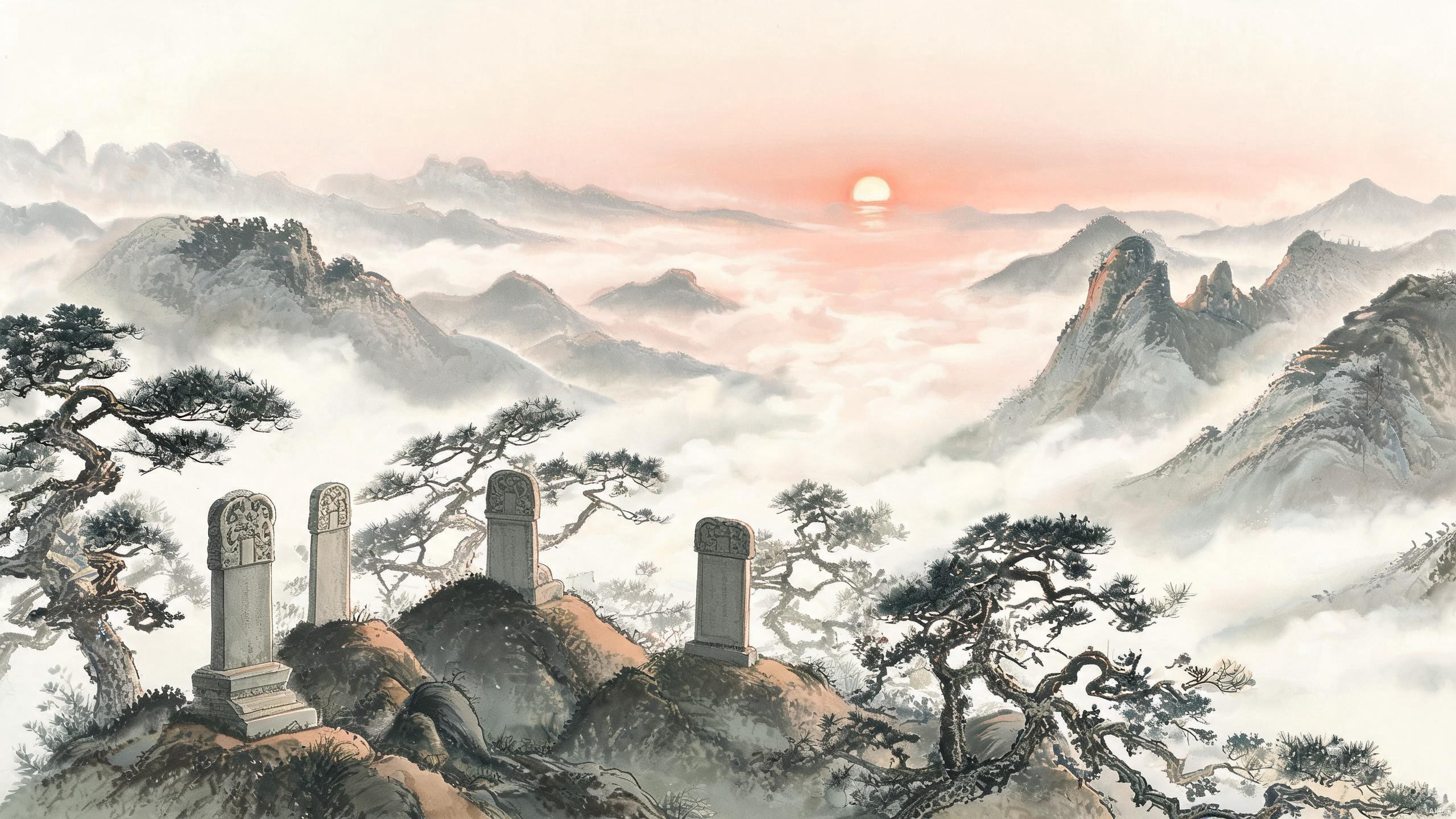
Q: What if my Ancestral Grave has bad Feng Shui? How can I tell if there's a problem?
A: Common problems with Ancestral Grave Feng Shui (祖坟风水, zǔ fén fēng shuǐ) include:
1. Grave flooding — standing water that won't drain away. 2. Grave collapse or sinking — the ground has caved in. 3. Root intrusion — tree roots have grown into the grave structure. 4. Surrounding environment damaged — roads, buildings, or construction have disrupted the area. 5. Incorrect direction — the grave is facing an inauspicious direction.
Cultural Context: In Chinese tradition, Yin Dwelling Feng Shui (阴宅风水) — the Feng Shui of graves and burial sites — is believed to influence the fortune of descendants through the concept of Bloodline Resonance (血脉感应). This is why maintaining your ancestors' resting place has been considered essential to family prosperity for thousands of years.
Q: How can I improve the Feng Shui of an ancestral grave?
A: Here are the five primary methods for improving Ancestral Grave Feng Shui:
1. Repair the Grave Structure
If the grave shows damage, collapse, or water pooling, physical repairs should be your first step.
2. Clear the Surrounding Environment
Remove weeds, debris, and clutter around the grave. A clean, well-maintained space allows Qi (气) to flow properly.
3. Adjust the Grave's Direction
If the grave faces an inauspicious direction, consult a professional Feng Shui practitioner to realign the tombstone and orientation.
Cultural Context: In Feng Shui, a grave's Sitting and Facing direction (坐向, zuò xiàng) determines which energies flow into the resting place. The wrong direction can block beneficial Qi from reaching your ancestors — and by extension, your family line.
4. Plant Trees Around the Grave
Strategically placed trees can improve the surrounding Qi and provide protective cover — but avoid species with aggressive root systems.
5. Relocate the Grave (迁坟)
If the problems are severe and cannot be resolved in place, relocating the grave to a better site may be necessary.
Q: What are the considerations for grave relocation? When is it truly necessary?
A: Grave relocation is a serious decision that should never be taken lightly. The following situations may warrant relocation:
1. Persistent flooding — the grave is chronically submerged and drainage cannot be fixed. 2. Severe structural collapse — the grave has deteriorated beyond repair. 3. Irreversible environmental damage — roads, mining, or major construction have permanently disrupted the site. 4. Sustained family misfortune — despite sincere efforts across multiple areas of life, the family's fortunes continue to decline.
Important Guidelines for Grave Relocation
1. Choose an auspicious date — relocation must be performed on a carefully selected lucky day and hour. 2. Hire a qualified professional — engage an experienced Feng Shui practitioner to select the new burial site using proper methods. 3. Honor traditional rituals — follow established ceremonial protocols respectfully. 4. Consult all family members — reach consensus with relatives and respect everyone's views.
Summary: Bad Ancestral Grave Feng Shui can be improved through repairs, clearing, direction adjustment, or relocation. However, relocation is a major undertaking that requires careful deliberation, respect for tradition, and agreement among family members.
How to Apply This: A Step-by-Step Approach
- Assess the situation honestly: Visit the grave in person and document all visible issues — flooding, cracks, root damage, nearby construction
- Start with the simplest solutions: Clean the area and make minor repairs before considering major interventions
- Consult a professional before relocating: A qualified practitioner can determine whether relocation is truly necessary or if on-site adjustments will suffice
- Time the work properly: Major changes should align with auspicious dates according to traditional Chinese calendar principles
- Document the original state: Photograph and record the current condition for reference and family records
Quick Tips:
- Never relocate a grave during the first year of mourning or major life transitions
- Avoid gravesites with Reverse Bow Sha (反弓煞) — water flowing away in a bow shape drains wealth energy from descendants
- The new location should ideally feature Mountains Embracing and Water Surrounding (山环水抱) — protective landforms with gentle water flow
Related Articles
- [[../09-Yin Dwelling风水/37-祖坟风水不好怎么办改善方法大全.md|Complete Guide: How to Fix Bad Ancestral Grave Feng Shui]]
- [[../05-命理与运势/10-气色观风水.md|Facial Complexion and Ancestral Grave Feng Shui]]
- [[../07-风水故事/17-朱元璋祖坟传说.md|The Legend of Zhu Yuanzhang's Ancestral Grave — Feng Shui Secrets of the Fengyang Imperial Tomb]]
- [[../09-Yin Dwelling风水/33-祖坟风水与子孙官运的关系.md|Ancestral Grave Feng Shui and Its Influence on Descendants' Career Fortune]]