Feng Shui Colors: Lucky Home Color Combinations and Five Elements Guide
A: In Feng Shui, colors correspond to the Five Elements (Wu Xing) — each color carries a distinct energy and function. Thoughtful color combinations help balance the Five Elements and enhance your for
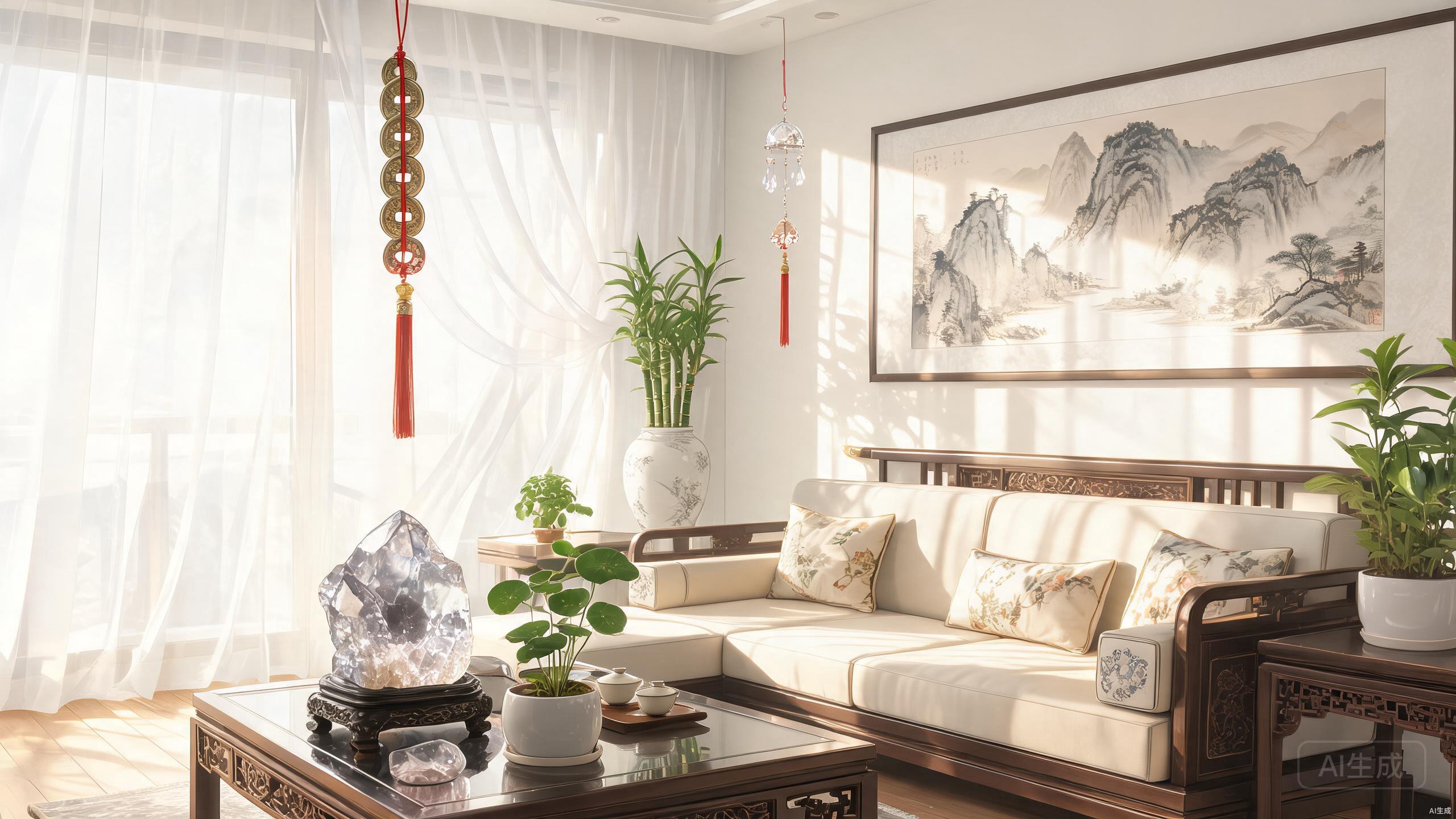
Q: What Do Colors Represent in Feng Shui?
A: In Feng Shui, colors correspond to the Five Elements (Wu Xing) — each color carries a distinct energy and function. Thoughtful color combinations help balance the Five Elements and enhance your fortune and harmony.
Cultural Context: The Five Elements (五行, Wu Xing) system maps Wood, Fire, Earth, Metal, and Water onto directions, seasons, and emotions. Colors serve as the visible expression of these elements in your home. By selecting the right palette, you can actively shape the energy of every room — attracting luck, wealth, and peace into your daily life.
Five Elements Color Properties
| Element | Color | Energy & Symbolism |
|---|---|---|
| Fire (火) | Red | Passion, celebration, vitality |
| Earth (土) | Yellow | Prosperity, warmth, stability |
| Metal (金) | White | Purity, brightness, clarity |
| Water (水) | Black | Depth, mystery, calmness |
| Wood (木) | Green | Growth, health, nature |
| Water (水) | Blue | Serenity, depth, wisdom |
| Fire (火) | Purple | Nobility, mystery, romance |
Q: How Should Home Colors Be Combined?
A: Each room in your home serves a different purpose — and Feng Shui recommends a tailored palette for each space.
Room-by-Room Color Guide
1. Living Room: Use warm tones such as beige, light yellow, or soft orange to create a welcoming, harmonious atmosphere that encourages conversation and connection.
2. Bedroom: Choose gentle, soothing tones such as light blue, pale pink, or beige to promote restful sleep and emotional calm.
3. Home Office / Study: Cool tones such as light green or light blue help sharpen focus, boost concentration, and support clear thinking.
4. Kitchen: Warm tones such as white, beige, or light yellow keep the space feeling clean, bright, and appetizing.
5. Bathroom: Light tones such as white or light blue create a fresh, clean, and hygienic feeling.
How to Apply This in Your Home
- Start with your most-used room: Identify which space you spend the most time in and apply the recommended palette there first
- Choose one dominant color per room: Use the recommended hue as your main wall color or large furniture color
- Layer with accent pieces: Add the supporting tones through cushions, rugs, artwork, or curtains
- Test before committing: Paint a small swatch on the wall and observe how the color feels at different times of day
Quick Tips:
- Living Room: A soft beige or warm cream instantly makes guests feel at ease
- Bedroom: Light blue is considered the most Feng Shui-friendly color for restful, lucky sleep
- Study: A touch of green (a small plant on the desk) adds Wood element energy that fuels intellectual growth
Q: What Are the Color Combination Taboos in Feng Shui?
A: Balance is everything. Too much of a single color — or clashing combinations — can disrupt the harmonious flow of Qi in your home.
Colors to Use with Caution
1. Avoid too much red: Excessive red can create agitation, irritability, and emotional overwhelm.
2. Avoid too much black: Excessive black can feel heavy, oppressive, and drain the room's energy.
3. Avoid heavy red-and-black combinations: This creates a "Fire-Water Unresolved" (火水未济) pattern — symbolically clashing elements that generate inner tension and conflict.
4. Avoid too much white: An all-white space can feel cold, sterile, and emotionally distant.
5. Honor your personal Five Elements preference: The best color choices are those aligned with your own element — the colors that "support" rather than "overcome" your birth energy.
Cultural Context: In the I Ching (Book of Changes), the 64th hexagram is called "Wei Ji" (未济) — meaning "not yet completed." It symbolizes Fire rising and Water sinking in opposite directions, energy that cannot connect. Feng Shui applies this same principle to interior color: pairing too much red (Fire) with too much black (Water) reproduces this disconnected, "unresolved" energy in your home.
How to Keep Your Color Balance Lucky
- Follow the 60-30-10 rule: Let one color cover 60% of the room (walls/floors), a second color 30% (furniture), and an accent color 10% (decor)
- Match color to direction: Red for south, green for east, white for west, black/blue for north, yellow for center
- Introduce all five elements: Even subtly — through a plant (Wood), a candle (Fire), a ceramic vase (Earth), a metal frame (Metal), and a water fountain (Water)
- Adjust seasonally: Refresh accents with the season to keep energy flowing — warm tones in winter, cool tones in summer
Quick Tips:
- If you love red, use it as an accent (cushions, art) rather than covering an entire wall
- A single plant in any room instantly balances the Wood element and softens harsh color schemes
- If your room feels "off," check the color balance first — color is the fastest Feng Shui adjustment you can make
Summary: Colors play a vital role in Feng Shui practice. When thoughtfully combined, your home color palette can balance the Five Elements, elevate comfort, and open the door to greater luck, wealth, and harmony in everyday life.
Related Articles
- [[../02-家居风水/55-家居色彩风水.md|Home Color Feng Shui: Harmonizing Five Elements Colors with Space Atmosphere]]
- [[../02-家居风水/30-厨房色彩与材质.md|Kitchen Colors and Materials: Five Elements Harmony for a Lucky Cooking Space]]
- [[../03-财运风水/04-财位五行搭配.md|Feng Shui Wealth Position: Five Elements Guide for Attracting Prosperity]]
- [[../03-财运风水/12-钱包风水与日常招财.md|Wallet Feng Shui: Daily Tips for Attracting Wealth and Prosperity]]