What Are the Five Elements? How Wu Xing Shapes Feng Shui and Harmony
Answer: The Five Elements (Wu Xing, 五行) theory is one of the foundational pillars of Feng Shui, describing five fundamental energies: Metal, Wood, Water, Fire, and Earth. > Cultural Context: The Five
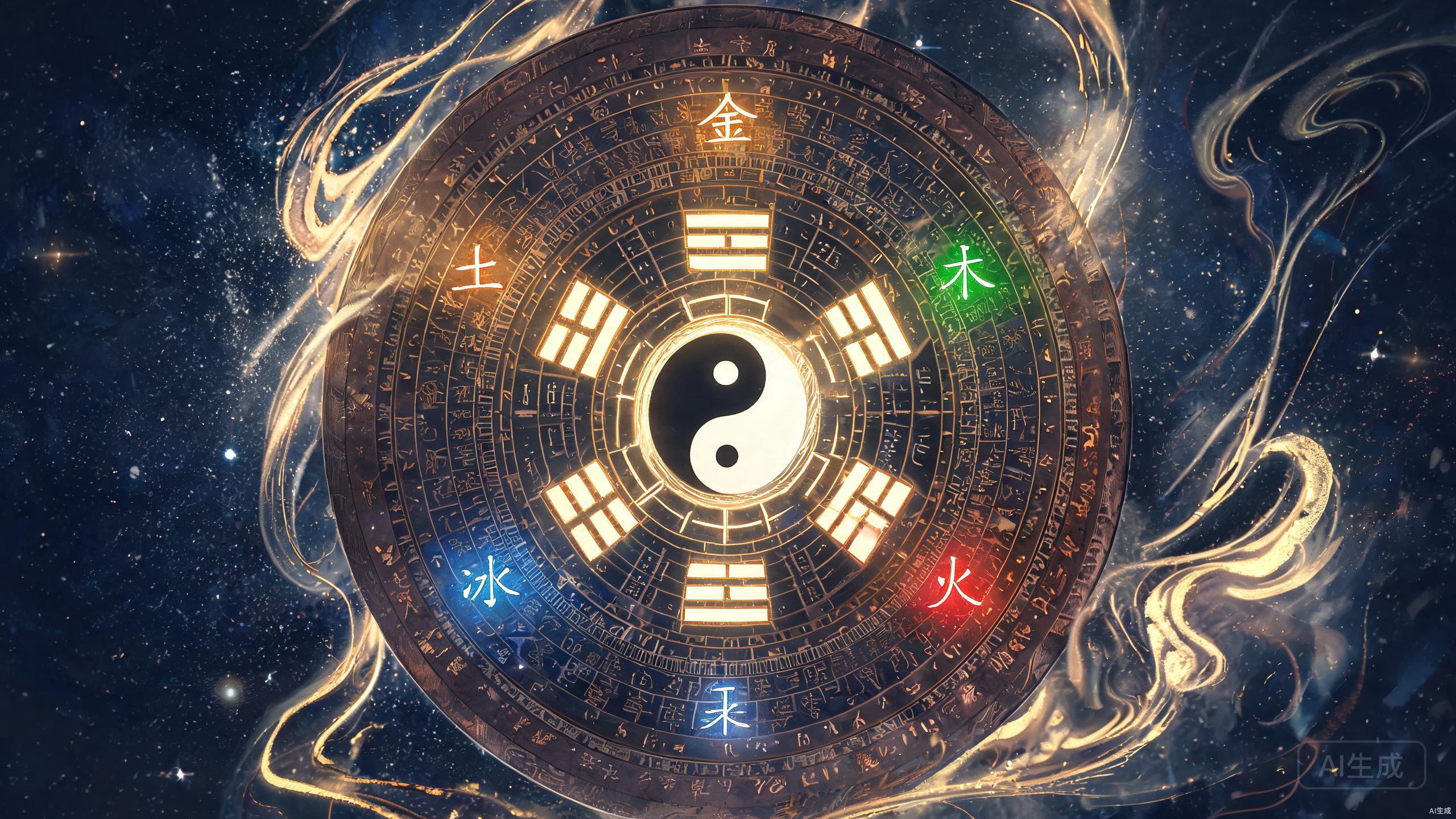
Question: What Are the Five Elements, and How Important Are They in Feng Shui?
Answer: The Five Elements (Wu Xing, 五行) theory is one of the foundational pillars of Feng Shui, describing five fundamental energies: Metal, Wood, Water, Fire, and Earth.
Cultural Context: The Five Elements represent not just physical substances but dynamic forces that interact in everything around us. In Western thought, you might compare this to the idea of elemental building blocks of nature — but in Feng Shui, the elements are alive, constantly generating and restraining one another. Mastering their relationships is key to creating a lucky, balanced, and harmonious home.
Basic Attributes of the Five Elements
- Metal (金): Represents the West, autumn, the color white, and metallic materials
- Wood (木): Represents the East, spring, the color green, and living plants
- Water (水): Represents the North, winter, the color black, and all flowing liquids
- Fire (火): Represents the South, summer, the color red, and heat energy
- Earth (土): Represents the Center, the transitional seasons, the color yellow, and the grounding earth itself
Question: What Is the Cycle of Mutual Generation and Restriction?
Answer: The Five Elements interact through two essential cycles that govern all energy movement:
Mutual Generation (相生): Wood generates Fire, Fire generates Earth, Earth generates Metal, Metal generates Water, and Water generates Wood — a continuous flow of nourishment and support.
Mutual Restriction (相克): Wood parts Earth, Earth absorbs Water, Water extinguishes Fire, Fire melts Metal, and Metal cuts Wood — a balancing cycle that prevents any single element from becoming too dominant.
Cultural Context: This dual-cycle system reflects the ancient Chinese understanding that growth always requires limits, and control always allows renewal. Neither cycle is "good" or "bad" — they work together to maintain cosmic harmony. A skilled Feng Shui practitioner reads both cycles to diagnose imbalances and prescribe remedies.
How These Cycles Apply in Feng Shui Practice
1. Supplementing Deficiencies: If a sector of your home feels lifeless, place items representing the missing element. For example, a bare East wall (Wood sector) can be revived with green plants.
2. Restraining Excess: When one element becomes overwhelming, apply its Restriction partner to restore balance. A Fire-dominant corner (overly heated, red, or cluttered) can be calmed by introducing a Water feature.
3. Balancing All Five Elements: Use a thoughtful mix of colors, materials, and objects to bring all elements into equilibrium throughout your living space.
4. Activating Luck: Leverage the Generation cycle to strengthen specific life areas — for example, using Water to nourish Wood energy that fuels career growth.
Question: How Are the Five Elements Applied in Real Feng Shui Layouts?
Answer: Here are the four most common practical applications:
1. Missing Corners in the Floor Plan
Every home has a layout based on the Bagua (Eight Trigrams). When a section of your home is missing or "cut off," identify which direction and element it corresponds to, then place supportive objects in adjacent areas to compensate.
- Missing East (Wood): Add tall plants or wooden furniture
- Missing West (Metal): Display metallic decor or round white objects
- Missing North (Water): Introduce a small water feature or dark blue accents
- Missing South (Fire): Add candles, red cushions, or warm lighting
- Missing Center (Earth): Place ceramic pieces or yellow-toned items
2. Wealth Position Enhancement
The Wealth Position (财位, cai wei) — particularly the Bright Wealth Position near your entrance — becomes far more powerful when you match the correct element to its direction and to your personal energy needs.
| Direction | Element | Recommended Wealth Items |
|---|---|---|
| East | Wood | Living plants, fresh flowers |
| West | Metal | Copper Gourd, Five Emperor Coins |
| North | Water | Aquarium, Feng Shui Sphere |
| South | Fire | Red crystals, Eternal Lamp |
| Center | Earth | Citrine, yellow ceramics |
3. Color Coordination
Color is the fastest way to invite a specific element into a room. Use the Five Elements color chart below to design a balanced, harmonious palette.
| Element | Colors | Best Used In |
|---|---|---|
| Metal | White, silver, gold | Bedrooms, home offices |
| Wood | Green, teal, brown | Living rooms, studies |
| Water | Black, navy, deep blue | Bathrooms, meditation spaces |
| Fire | Red, orange, purple | Dining areas, entryways (in moderation) |
| Earth | Yellow, beige, terracotta | Kitchens, center of the home |
4. Strategic Object Placement
Beyond color, the physical materials of your furniture and decor carry elemental energy. Choose objects that match the energy you want to cultivate in each room.
- Wood element: Bamboo furniture, wooden floors, cotton and linen textiles
- Fire element: Candles, lamps, triangular shapes, electronic devices
- Earth element: Ceramic vases, stone sculptures, square shapes
- Metal element: Metal frames, wind chimes, round shapes
- Water element: Fountains, mirrors, glass, wavy or curved forms
How to Apply This in Your Home Today
- Map your space: Draw a simple floor plan and mark the Eight Trigrams directions (use a compass on your phone)
- Identify imbalances: Note which sectors feel neglected, overly active, or stuck — these signal elemental imbalances
- Choose one remedy at a time: Start with the Wealth Position or a missing corner — don't try to fix everything at once
- Test and observe: Live with the changes for at least a lunar month (about 29 days) and notice shifts in mood, energy, and luck
- Maintain balance: Revisit the Five Elements every season — different times of year amplify different elements
Quick Tips:
- The fastest Feng Shui fix: add or remove a plant. Plants instantly shift Wood energy in any space
- Never overdo a single element. A room drowning in red (Fire) or black (Water) creates Sha Qi (harmful energy) that blocks prosperity and harmony
- The Center of your home corresponds to Earth — keeping this area clean, stable, and clutter-free anchors the energy of the entire space
In summary: The Five Elements theory is the essential foundation of Feng Shui. By understanding and applying the cycles of Mutual Generation and Restriction, you can thoughtfully adjust your home environment to achieve a balanced, harmonious, and prosperous state of living.
Related Articles
- [[../01-风水入门/04-五行与八卦.md|Five Elements and Bagua: Generation, Restriction, and the Innate vs. Acquired]]
- [[../02-家居风水/37-植物与风水.md|Plants and Feng Shui: Five Elements Balance and Wealth-Activating Greenery]]
- [[../02-家居风水/55-家居色彩风水.md|Home Color Feng Shui: Five Elements Palette for Spatial Harmony]]
- [[../03-财运风水/04-财位五行搭配.md|Wealth Position Five Elements Pairing Guide]]