What Is a Feng Shui Acupoint? The Complete Guide to Pointing Acupoints for Wealth and Harmony
Answer: The Feng Shui Acupoint (穴位, xué wèi) is one of the most important concepts in Feng Shui practice. It refers to the location on a Dragon Vein (龙脉) where energy is most concentrated and the Qi f
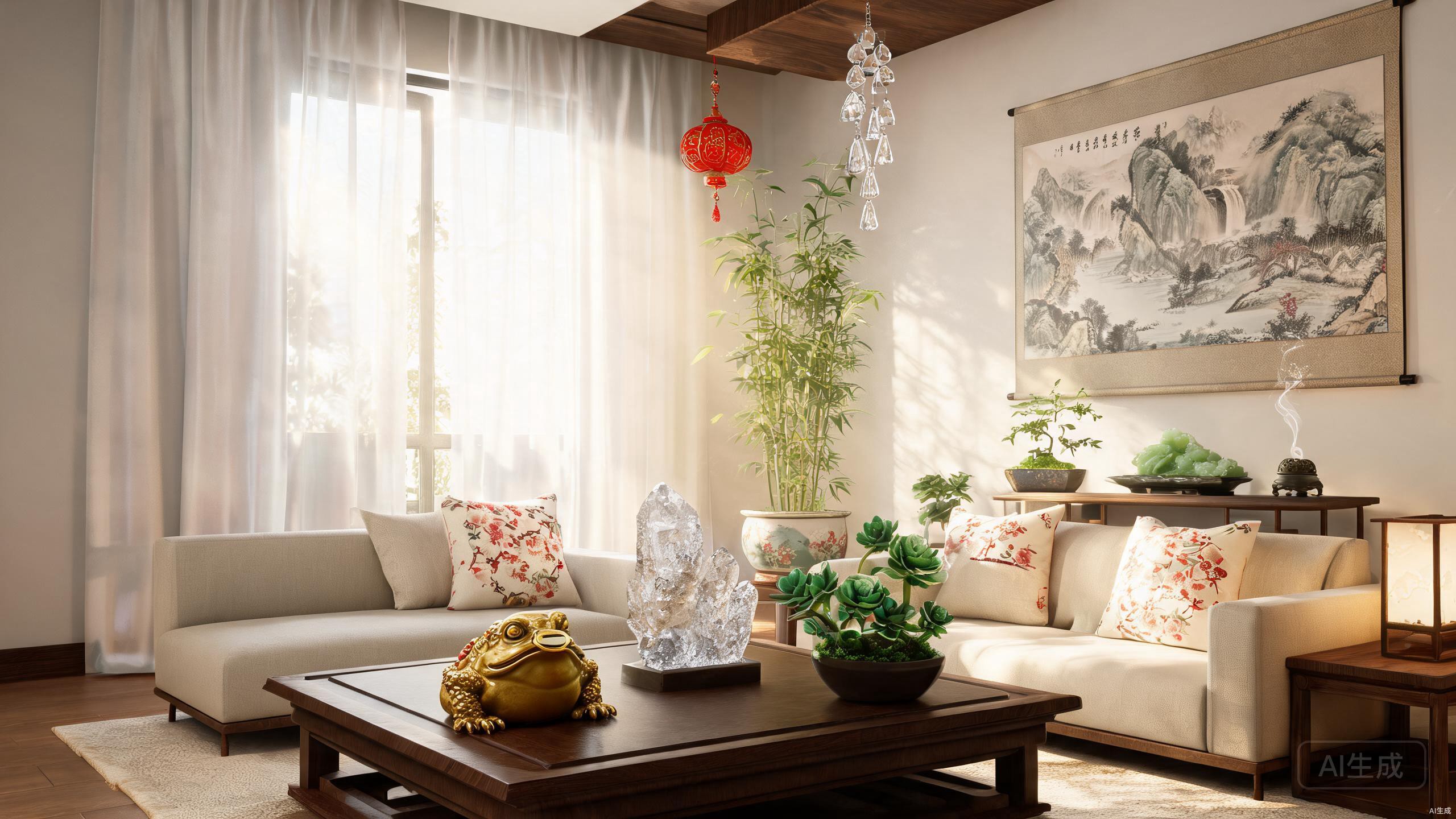
Question: What Is a "Feng Shui Acupoint" in Feng Shui?
Answer: The Feng Shui Acupoint (穴位, xué wèi) is one of the most important concepts in Feng Shui practice. It refers to the location on a Dragon Vein (龙脉) where energy is most concentrated and the Qi field is strongest — much like acupuncture points on the human body, which are spots where Qi and blood converge.
Cultural Context: Just as traditional Chinese medicine maps hundreds of acupuncture points across the body where healing energy concentrates, Feng Shui identifies specific spots in the landscape where the Earth's natural Qi gathers most powerfully. Finding these points is considered the highest skill in Feng Shui mastery.
Characteristics of a Feng Shui Acupoint
1. Storing Wind and Gathering Qi (藏风聚气): The acupoint is surrounded by protective landforms that block harsh winds and retain beneficial Qi.
2. Yin and Yang Balance: The acupoint sits in a position of perfect Yin and Yang harmony — neither too exposed nor too sheltered.
3. Mountain and Water Convergence: The acupoint forms the meeting point where mountain energy and water energy combine.
4. Concentrated Energy: The acupoint represents the peak concentration point of Dragon Vein energy.
Classification of Feng Shui Acupoints
1. Yang Dwelling Acupoints (阳宅穴): Locations suitable for building homes, offices, and places of residence.
2. Yin Dwelling Acupoints (阴宅穴): Locations suitable for burial sites and ancestral graves.
Question: What Is "Pointing Acupoint"? Methods and Techniques
Answer: Pointing Acupoint (点穴, diǎn xué) is the process by which a Feng Shui master observes the geographical environment and identifies the optimal acupoint location for a structure or grave.
Cultural Context: Pointing Acupoint is considered the culmination of Feng Shui skill — the moment when all theoretical knowledge transforms into precise, actionable placement. A master can spend days walking a landscape, "reading" its Qi through subtle terrain features that untrained eyes would miss entirely.
Fundamental Principles of Pointing Acupoint
1. Riding Vital Qi (乘生气): Select locations where Vital Qi (Sheng Qi) flows abundantly.
2. Avoiding Sha Qi: Steer clear of positions afflicted with harmful energy (Sha Qi, 煞气).
3. Water Is Supreme (得水为上): An excellent acupoint must have water nearby — flowing water activates wealth energy.
4. Sheltering from Wind (藏风为次): The acupoint must be protected from harsh winds while still allowing gentle Qi circulation.
Methods of Pointing Acupoint
1. Observing Terrain: Study the direction, undulation, and turning points of mountain ranges.
2. Determining Direction: Establish the facing and orientation of the acupoint.
3. Measuring with the Luopan: Use a Feng Shui Compass (罗盘) to record precise directional data.
4. Comprehensive Judgment: Synthesize all factors — Dragon, Sand, Water, and Direction — into a final assessment.
How to Identify an Excellent Feng Shui Acupoint
An ideal acupoint should possess all six of these qualities:
- Backing Mountain (靠山) behind the site for support and protection
- Bright Hall (明堂) in front — an open, bright gathering space
- Protective Mountains on both sides (the Azure Dragon and White Tiger guardians)
- Nearby water source — a river, stream, or symbolic water feature
- Flat, open terrain suitable for building or burial
- Wide, expansive view allowing Qi to flow freely
Quick Tip: When evaluating any property or land parcel, stand at the center and check each of these six elements. Missing more than two usually means the site will struggle to accumulate wealth and harmony energy.
Question: How Does Pointing Acupoint Differ Between Yin Dwellings and Yang Dwellings?
Answer: The priorities differ significantly depending on the application:
| Aspect | Yin Dwelling (Burial) | Yang Dwelling (Residence) |
|---|---|---|
| Primary Focus | Dragon Vein momentum and lineage influence | Living comfort and daily functionality |
| Key Concern | Storing Wind and Gathering Qi for descendants | Natural light, ventilation, and convenience |
| Energy Priority | Bloodline Resonance (血脉感应) across generations | Personal Qi renewal and family harmony |
| Practical Needs | Long-term energetic stability over centuries | Adaptability for modern living |
Yin Dwelling Acupoints (坟墓穴位) prioritize:
- The incoming momentum and trajectory of the Dragon Vein
- Maximum Storing Wind and Gathering Qi potential
- Long-term Bloodline Resonance (血脉感应) effects on descendants' fortune
- Protection from Sha Qi and harmful environmental influences
Yang Dwelling Acupoints (房屋穴位) prioritize:
- Living comfort and livability
- Natural lighting and ventilation
- Convenience for transportation and daily needs
- Balanced energy that supports health and prosperity
Quick Tip: If you're selecting a home, prioritize comfort, light, and location convenience first. If you're selecting a burial site, prioritize landscape features and Dragon Vein quality above all else. Applying the wrong priorities is a common amateur mistake.
Summary: The Power of Feng Shui Acupoints
The Feng Shui Acupoint is the convergence point where Earth's Qi gathers most powerfully. An excellent acupoint can dramatically enhance fortune, health, and prosperity — but accurate identification requires the trained eye of a qualified Feng Shui master.
Modern practitioners often work with simplified versions of these principles when evaluating apartments, suburban homes, or office spaces. The core wisdom remains the same: seek locations where energy naturally gathers and flows gently, surrounded by protection yet open to opportunity.
Related Articles
- [[../09-Yin Dwelling风水/08-点穴入门-如何找到真龙穴的.md|Pointing Acupoint Basics: How to Find the True Dragon Acupoint]]
- [[../09-Yin Dwelling风水/13-山地墓地的风水site selection要点.md|Mountain Burial Site Selection: Key Feng Shui Considerations]]
- [[../01-风水入门/08-风水勘察十法.md|Ten Methods of Feng Shui Site Survey: Field Investigation Techniques]]
- [[../02-家居风水/01-选房风水指南.md|Home Selection Feng Shui Guide: Location, Floor, Layout, and Surroundings]]