What Is Qi in Feng Shui? How Qi Affects Your Luck and Fortune
Answer: Qi (气) is the most fundamental concept in Feng Shui theory. Feng Shui holds that all things in the universe are composed of Qi — it is the very source of life energy. > Cultural Context: In Ch
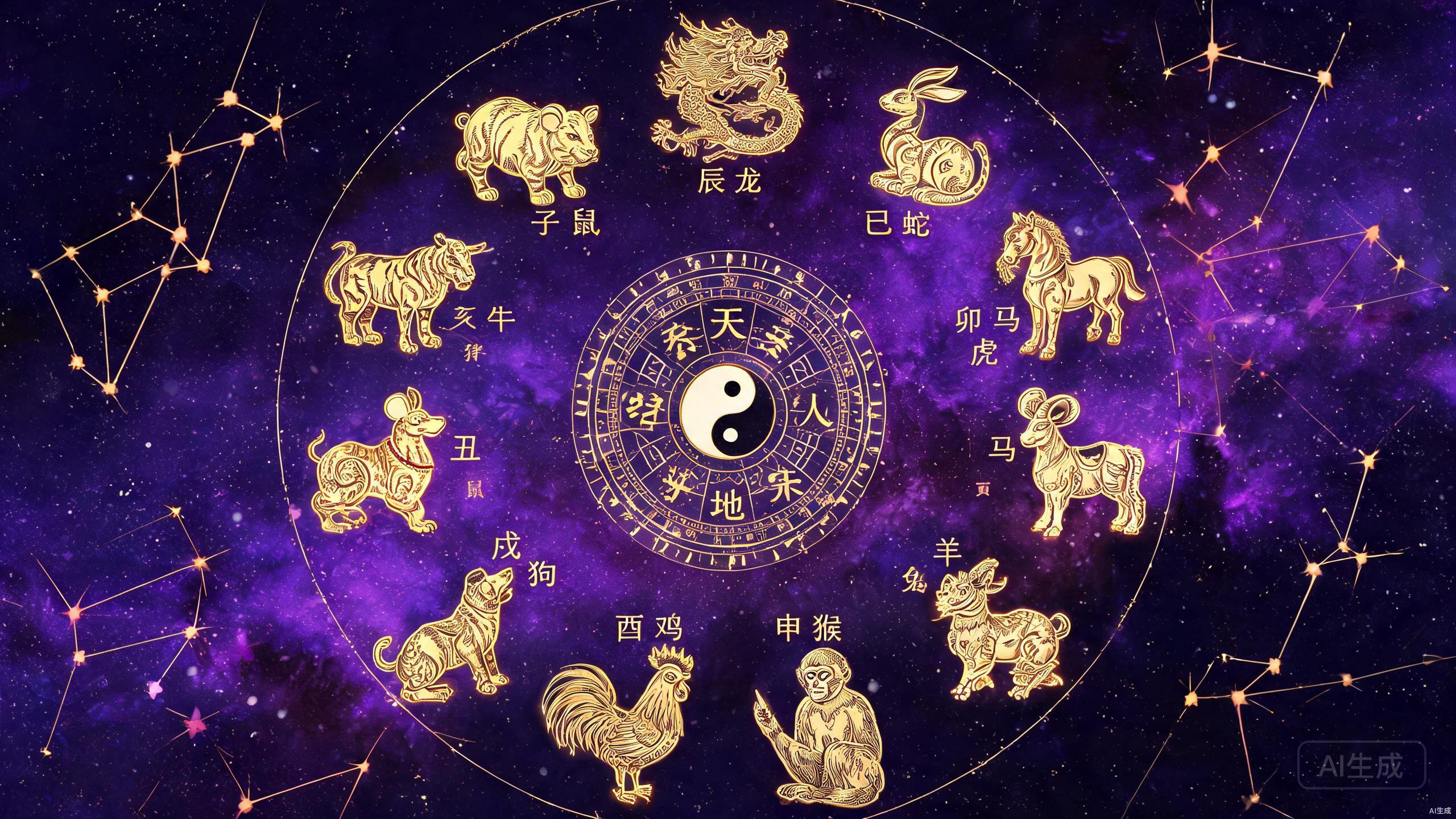
Question: What Is "Qi" in Feng Shui?
Answer: Qi (气) is the most fundamental concept in Feng Shui theory. Feng Shui holds that all things in the universe are composed of Qi — it is the very source of life energy.
Cultural Context: In Chinese philosophy, Qi (气, qì) is the invisible, vital essence that permeates everything — from mountains and rivers to your living room. While English lacks a perfect equivalent, think of Qi as the "life atmosphere" of a space: the felt sense of vitality, freshness, and flow that makes a place feel alive and welcoming.
The Definition of Qi
Qi is a formless energy that exists between heaven and earth, flowing through all things. In Feng Shui, Qi is divided into two primary types: Vital Qi (生气) and Dead Qi (死气).
- Vital Qi (生气, sheng qi): Positive, healthy, upward-rising energy. An auspicious Feng Shui environment is filled with Vital Qi.
- Dead Qi (死气, si qi): Negative, stagnant, declining energy. An inauspicious environment is saturated with Dead Qi.
Question: How Does Qi Affect Your Luck and Fortune?
Answer: Qi influences your life in four key areas:
1. Health and Vitality
A harmonious Qi field — where Vital Qi flows strongly — strengthens your immune system and keeps you energized. A stagnant field dominated by Dead Qi leaves you feeling fatigued and prone to illness.
2. Wealth and Prosperity
A positive Qi field attracts Wealth Fortune (财运, cai yun), allowing financial luck to flow freely into your life. A negative field causes wealth energy to scatter, resulting in money coming and going without staying.
3. Career and Success
A strong Qi field lifts your spirit and sharpens your focus, making you more efficient and productive at work. A weak field drains your motivation and hinders career advancement.
4. Relationships and Harmony
A balanced Qi field improves interpersonal connections, allowing love and friendships to flourish. A negative field creates tension, conflict, and emotional strain in your closest relationships.
Question: How Can You Tell If Qi Is Auspicious or Inauspicious?
Answer: You can evaluate the quality of Qi in your space using five simple checks:
| Check | Auspicious Sign |
|---|---|
| Feeling | The space feels comfortable and relaxing |
| Light | Natural light fills the room generously |
| Airflow | fresh air circulates gently without drafts |
| Order | The space is clean, tidy, and well-organized |
| Greenery | Living plants thrive and grow lushly |
How to Apply This: Five Steps to Boost Vital Qi in Your Home
- Clear the clutter: Remove broken items, excess furniture, and anything unused — clutter blocks the natural flow of Qi
- Maximize natural light: Open curtains during the day, trim outdoor plants blocking windows, and add mirrors to reflect light into darker corners
- Improve ventilation: Open windows for 10–15 minutes daily to refresh stagnant energy, but avoid positioning your bed or desk in direct drafts
- Introduce living plants: Healthy green plants like pothos, snake plants, or bamboo generate fresh Vital Qi as they grow
- Keep the entryway bright: Your front door is the mouth of Qi — ensure it is well-lit, clean, and easy to open smoothly
Quick Tips:
- Walk slowly through each room and notice how you feel — your body's response is one of the most reliable Qi indicators
- A space that feels "stuck" (no Qi movement, no light, dusty) is carrying Dead Qi and needs immediate attention
- Adding a small water feature (fountain or aquarium) near your entrance actively invites fresh Vital Qi into your home
Summary: Qi is the core concept of Feng Shui, and a harmonious Qi field is the foundation of all good fortune. By improving your environment and adjusting your layout, you can effectively elevate your Qi field — and transform your luck, health, and prosperity in turn.
Related Articles
- [[../01-风水入门/18-风水中的藏风聚气.md|The Principle of "Storing Wind and Gathering Qi" in Feng Shui]]
- [[../06-风水文化与历史/30-风水与中医:同源理论的互证关系.md|Feng Shui and Traditional Chinese Medicine: Mutual Verification of a Shared Origin]]
- [[../01-风水入门/21-风水中的气场与磁场.md|Qi Fields and Magnetic Fields in Feng Shui]]
- [[../02-家居风水/33-阳台风水植物.md|Balcony Feng Shui Plants: Greenery Choices for Wealth and Sha Dissolution]]