What Is Storing Wind and Gathering Qi? The Standards of Good Feng Shui
A: "Storing Wind and Gathering Qi" (藏风聚气, cáng fēng jù qì) originates from the *Zang Shu* (Book of Burial): > "Qi rides the wind and scatters, but is retained when encountering water. The ancients gat
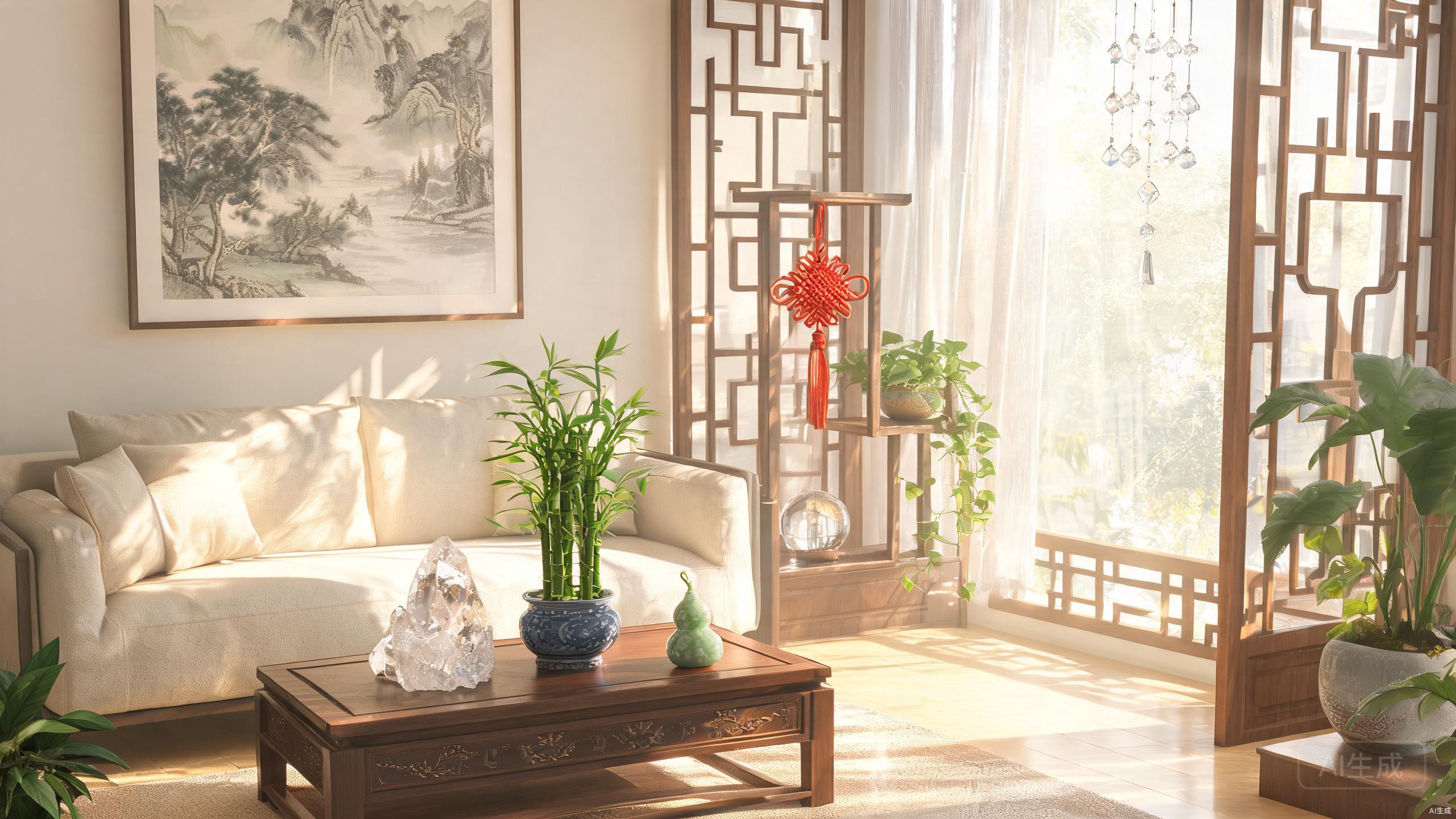
Q: What Is "Storing Wind and Gathering Qi"?
A: "Storing Wind and Gathering Qi" (藏风聚气, cáng fēng jù qì) originates from the Zang Shu (Book of Burial):
"Qi rides the wind and scatters, but is retained when encountering water. The ancients gathered it so it would not disperse and guided it so it would stay — thus they called it Feng Shui (气乘风则散,界水则止,古人聚之使不散,行之使有止,故谓之风水)。"
Storing Wind means shielding your home from harsh, direct winds so the Qi (气) field remains stable. Gathering Qi means allowing beneficial energy to accumulate around the house rather than dispersing. When Qi gathers, wealth gathers; when Qi scatters, wealth scatters.
Cultural Context: Qi is the invisible life force that flows through all things in Chinese metaphysics. In Feng Shui practice, how Qi moves through your home determines whether it supports or drains your health, relationships, and finances. The goal is gentle, meandering flow — never stagnant pools or rushing currents.
Q: What Are the Standards of Good Feng Shui?
A: Good Feng Shui meets the following standards:
1. Storing Wind and Gathering Qi (藏风聚气): The home is embraced by mountains or buildings on all sides, creating a stable Qi field.
2. Back to Mountain Facing Water (背山面水): A solid backing rises behind the home while open space or water lies ahead.
3. Abundant Natural Light: Plenty of sunlight enters the home, strengthening the Yang (阳) energy.
4. Good Ventilation: Fresh air flows smoothly through all rooms.
5. Regular Floor Plan: The home's shape is square or rectangular without missing corners.
6. Smooth Traffic Flow: Interior pathways allow people to move without obstruction.
7. Harmonious Colors: Color choices balance the Five Elements (五行, Wu Xing).
8. Clean and Orderly: The home is tidy and well-organized.
Cultural Context: The Five Elements — Wood, Fire, Earth, Metal, and Water — form the backbone of Feng Shui's color and material system. Each element has corresponding colors (Wood = green, Fire = red, Earth = yellow, Metal = white, Water = black/blue). Balancing these five energies throughout your home creates harmony and invites prosperity.
How to Evaluate Your Home Against These Standards
Walk through your space and score it honestly on each of the eight criteria above. Give yourself one point for each standard your home meets:
| Score | Rating | What It Means |
|---|---|---|
| 7–8 points | Excellent Feng Shui | Strong foundation for wealth, health, and harmony |
| 5–6 points | Good Feng Shui | Minor adjustments can enhance your luck |
| 3–4 points | Average | Focus on 2–3 key improvements first |
| 0–2 points | Needs Attention | Consider foundational changes to layout or surroundings |
Quick Tips:
- Missing corners in a floor plan (L-shaped, T-shaped) create energetic "holes" that drain prosperity — remedy with furniture, plants, or mirrors to fill the void
- Cluttered spaces block Qi flow as surely as a wall does — regular decluttering is essential Feng Shui maintenance
- A bright, cheerful entrance with good lighting and a welcoming sight line attracts opportunity and positive energy
Q: How Can You Achieve "Storing Wind and Gathering Qi" in a Modern City?
A: Ancient Feng Shui was developed in rural landscapes with real mountains and rivers. Today's apartment dwellers need to translate these principles creatively:
1. Choose the Right Location:
- Select a unit with a tall building or solid structure directly behind
- Look for open space, a courtyard, or a low-rise view in front
- Avoid units at the very end of long, straight corridors (a classic "rushing energy" problem)
2. Install an Entryway Feature:
- Place a Folding Screen (屏风, píng fēng), console table, or small cabinet just inside your front door
- This blocks Qi from rushing straight in and allows it to circulate gently
- A mirror on the side wall (never facing the door directly) expands the entry energetically
3. Arrange Furniture Strategically:
- Sofas and beds should have a solid wall behind them for support and protection
- Avoid placing seating directly in line with doors or large windows
- Leave breathing room around large pieces — crowded furniture blocks Qi
4. Use Screens and Partitions Thoughtfully:
- Use Folding Screens to separate open-plan areas into defined zones
- Plant tall bamboo or large leafy plants to create natural barriers
- Hang sheer curtains or bead curtains to slow energy without blocking light
5. Keep Your Space Clean and Clutter-Free:
- Clear entryways, hallways, and corners regularly
- Fix any leaks, drafts, or broken items promptly — they represent lost energy and wealth
- Open windows daily for at least 10–15 minutes to refresh stagnant Qi
Quick Tip: In apartments, your "mountain" can be another building, a tall tree, or even a substantial piece of furniture. Your "water" can be a fountain, aquarium, or simply the curved path of foot traffic through your home. Adapt, don't abandon — the principles remain powerful even without literal landscapes.
Summary
Storing Wind and Gathering Qi is the core standard of good Feng Shui. Through thoughtful site selection and deliberate interior layout, you can achieve this auspicious condition in any home — whether surrounded by ancient mountains or city skyscrapers. Start with the basics: protect your back, open your front, slow the flow, and keep your space clean. These four actions alone will dramatically improve the energy of any home.
Related Articles
- [[../01-风水入门/18-风水中的藏风聚气.md|The Principle of "Storing Wind and Gathering Qi" in Feng Shui]]
- [[../01-风水入门/09-Ten Principles of Modern Feng Shui.md|The Ten Principles of Modern Feng Shui]]
- [[../02-家居风水/20-别墅风水site selection.md|Villa Feng Shui Site Selection: Environment and Layout for Standalone Homes]]
- [[../07-风水故事/27-风水宝地传说.md|Legends of Feng Shui Blessed Lands — Human Havens of Storing Wind and Gathering Qi]]