Ancestral Grave Damaged: Feng Shui Remedies and Restoration Guide
Having an ancestral grave deliberately damaged is a deeply distressing situation, and in Feng Shui it is regarded as an extremely serious matter. Common forms of vandalism include: tombstones knocked
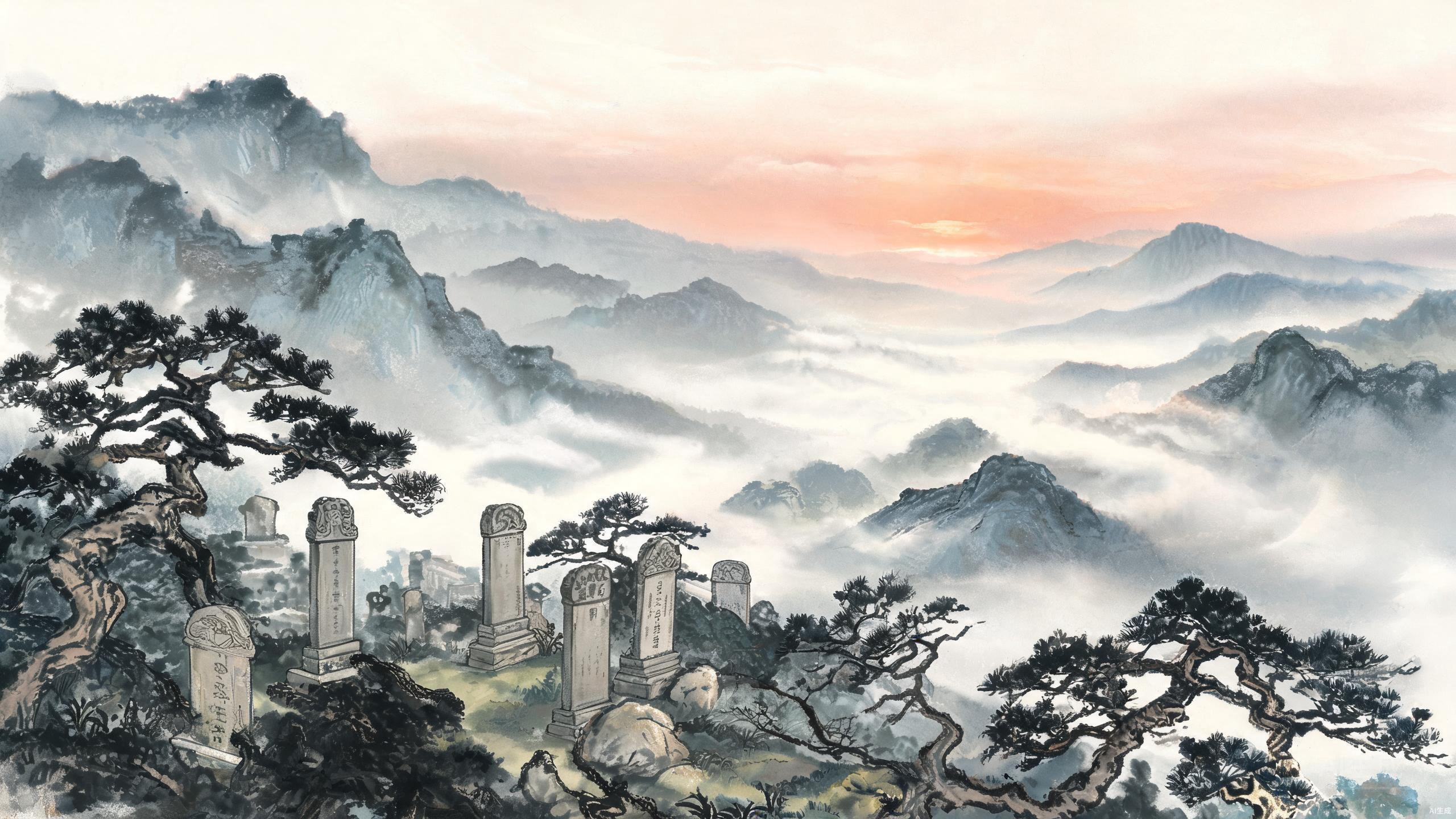
Common Situations of Ancestral Grave Damage
Having an ancestral grave deliberately damaged is a deeply distressing situation, and in Feng Shui it is regarded as an extremely serious matter. Common forms of vandalism include: tombstones knocked down or smashed, the burial structure dug up or destroyed, the surrounding environment maliciously altered, and vegetation on or around the grave cut down or burned.
These acts are not only disrespectful to the departed, but also generate severe negative effects on the Ancestral Grave Feng Shui, which can in turn impact the fortune and well-being of all family members through the principle of Bloodline Resonance (血脉感应).
Cultural Context: In traditional Chinese belief, an ancestral grave is not merely a memorial — it is a spiritual anchor that connects the living family to their ancestors. The energy radiating from a well-maintained grave is said to flow through the family line, blessing descendants with health, prosperity, and harmony. When this connection is violently disrupted, the entire lineage is believed to suffer.
Feng Shui Effects After the Grave Is Damaged
Once an ancestral grave has been damaged, its original Feng Shui configuration is broken and the energy field becomes chaotic. The specific effects include:
Vital Qi (Sheng Qi) Dispersal: Once the grave is damaged, the Vital Qi that had gathered there will dissipate, weakening the family's collective energy field.
Sha Qi Invasion: The act of destruction itself generates Sha Qi (harmful energy), which penetrates the grave and brings misfortune to family members.
Yin and Yang Imbalance: Damage to the grave disrupts the balance between Yin and Yang (阴阳), affecting the health and fortune of family members.
Immediate Steps After Discovering the Damage
Secure the Site
As soon as you discover the damage, first secure the site and avoid touching the disturbed areas. Take photographs to document the destruction — these will be useful for repair work and for any legal action that follows.
Hold a Temporary Memorial
Before any repair work begins, hold a temporary memorial ceremony. Explain the situation to your ancestors, express your sorrow, and ask for their understanding and continued protection.
Report to the Authorities
If the damage was caused by deliberate human vandalism, report the incident to the police promptly so that the responsible parties can be held accountable.
Feng Shui Restoration Ceremony
Selecting an Auspicious Date
Repair work on an ancestral grave must be performed on an auspicious date and time. Choose a day that harmonizes with the deceased's BaZi (八字, Eight Characters of birth), and strictly avoid inauspicious dates affected by Tai Sui (太岁) or other Sha Qi.
The Restoration Ceremony
When restoring the grave, the following ritual sequence should be observed:
- Honor the ancestors — hold a memorial and explain the restoration plan
- Clean the damage — remove all traces of destruction and restore the original appearance
- Reinstall the tombstone — perform an eye-opening (开光) ceremony to reanimate the stone
- Offer a closing memorial — once restoration is complete, pay respects again to inform the ancestors
Feng Shui Remedies
Purifying the Energy Field
After the grave has been damaged, its energy field becomes polluted and must be cleansed. Purification methods include:
- Burning mugwort or sandalwood incense around the grave to cleanse the Qi
- Scattering salt water or rice grains around the site to purify the Qi field
- Planting new vegetation around the grave to restore Vital Qi
Placing Protective Objects
Placing Feng Shui protective objects around the grave can prevent Sha Qi from re-entering. Common protectors include:
| Object | Placement | Purpose |
|---|---|---|
| Shi Gan Dang (Taishan Stone Tablet) | At the Sha direction of the grave | Anchors and stabilizes the earth |
| Bagua Mirror (八卦镜) | Hung at the grave's entrance | Reflects harmful energy away |
| Five Emperor Coins (五帝钱) | Buried at the four corners | Strengthens protective energy |
Strengthening the Energy Field
You can rebuild the grave's energy field by actively increasing Vital Qi:
- Plant trees and flowers around the grave, especially evergreen varieties that symbolize enduring vitality
- Install a small pool or fountain nearby to add Water element energy
- Set up lighting around the grave to boost Yang energy
Quick Tip: Evergreen plants such as pine, cypress, and bamboo are ideal choices — they remain green year-round, symbolizing the unbroken continuity of family fortune and offering constant protective energy.
Long-Term Protective Measures
Regular Inspections
Inspect the grave regularly to detect and address potential issues early. A frequency of at least once per month is recommended.
Install Surveillance
If resources allow, install a discreet surveillance camera near the grave to deter future vandalism.
Build Good Neighborly Relations
Maintain friendly communication with neighbors and villagers around the grave. A harmonious relationship with the surrounding community significantly reduces the risk of intentional damage.
Emotional and Psychological Adjustment
Having an ancestral grave desecrated naturally stirs feelings of anger, grief, and anxiety among family members. These emotions are completely normal — but excessive emotional reactions can harm both mental and physical health.
While restoring the grave, attend also to the emotional well-being of the family. Memorial ceremonies and prayers can help soothe difficult feelings, and family gatherings can strengthen the bonds of unity.
Damaging an ancestral grave is undeniably tragic, but with the right response and proper Feng Shui remedies, the negative effects can be minimized and the grave's Feng Shui benefits restored.
How to Help Your Family Through This Process
- Hold a family meeting — bring relatives together to discuss the situation calmly and agree on action steps
- Assign clear roles — designate who will handle repairs, who will liaise with authorities, and who will manage ceremonies
- Schedule a collective memorial — once restoration is complete, gather the whole family to honor the ancestors together and reaffirm family unity
Practical Considerations in Real Application
In actual Feng Shui practice, you must adapt theory to the specific geographic environment and real conditions at hand. Avoid mechanically copying textbook formulas, and never rely on a single method alone. A skilled Feng Shui practitioner combines theory with practice, tradition with modernity.
During any operation, keep these principles in mind:
- Respect nature — never force changes on the natural environment
- Make holistic judgments — never base decisions on a single factor alone
- Consider practical feasibility — theoretical perfection does not always equal real-world viability
A Modern Scientific Perspective
From a modern scientific standpoint, many principles within traditional Feng Shui theory have a rational basis. For example:
- Choosing a site that is Back to Mountain Facing Water (背山面水) uses the mountain mass to block cold winter winds while the water body moderates temperature — creating an ideal microclimate
- Selecting elevated ground with good drainage prevents moisture and standing water, helping preserve the integrity of the burial site
These Feng Shui principles are, in essence, the result of long-term observation and accumulated wisdom about the natural environment. They reflect the ancient Chinese ideal of living in harmony with nature. In our modern era, we should approach this inherited wisdom with a scientific attitude and carry it forward.
The Inheritance and Development of Feng Shui Culture
As an important component of Chinese traditional culture, Feng Shui retains significant cultural value in modern society. It is far more than ancient people's understanding of the natural environment — it is a crystallization of Chinese civilizational wisdom. Studying Feng Shui culture helps us better grasp the essence of Chinese tradition.
While preserving this heritage, we must also move with the times, integrating the reasonable core of traditional Feng Shui with modern science — allowing this ancient art to take on renewed vitality in the new era.
Psychological Recovery for the Family
When an ancestral grave is vandalized, the act wounds not only the ancestors but also the living. Beyond applying Feng Shui remedies, psychological care for the family is equally important.
- Stay calm — avoid becoming overly agitated or enraged
- Act promptly — initiate repair work as soon as possible to restore the original Feng Shui configuration
- Perform appropriate ceremonies — these can soothe the emotions of both the departed and the living
- Pursue legal remedies — hold the responsible parties accountable and protect the family's lawful rights
Quick Tip: If family members are struggling with prolonged distress, consider seeking support from a counselor or grief specialist. Caring for your mental health is just as essential as restoring the grave's physical and energetic state.
Related Articles
- [[../05-命理与运势/09-面相断Yin Dwelling风水.md|Face Reading for Yin Dwelling Feng Shui: Nose Analysis and Facial Correspondence]]
- [[../07-风水故事/58-风水与丧葬.md|Feng Shui and Burial: The Ancient Tradition of Yin Dwelling Feng Shui]]
- [[../07-风水故事/01-曾国藩葬地择选记.md|Zeng Guofan's Burial Site Selection: The Wisdom of "Heaven Detests Cunning"]]
- [[../08-百科问答库/48-祖坟风水不好怎么办?如何改善?.md|What to Do When Ancestral Grave Feng Shui Is Poor: Remedies and Improvements]]