Ancestral Grave Feng Shui: How It Affects Descendants' Health and Wellness
In Feng Shui, Ancestral Grave Feng Shui is considered to be deeply connected to the health and well-being of descendants. The ancients believed that when ancestors are buried in a Feng Shui treasure s
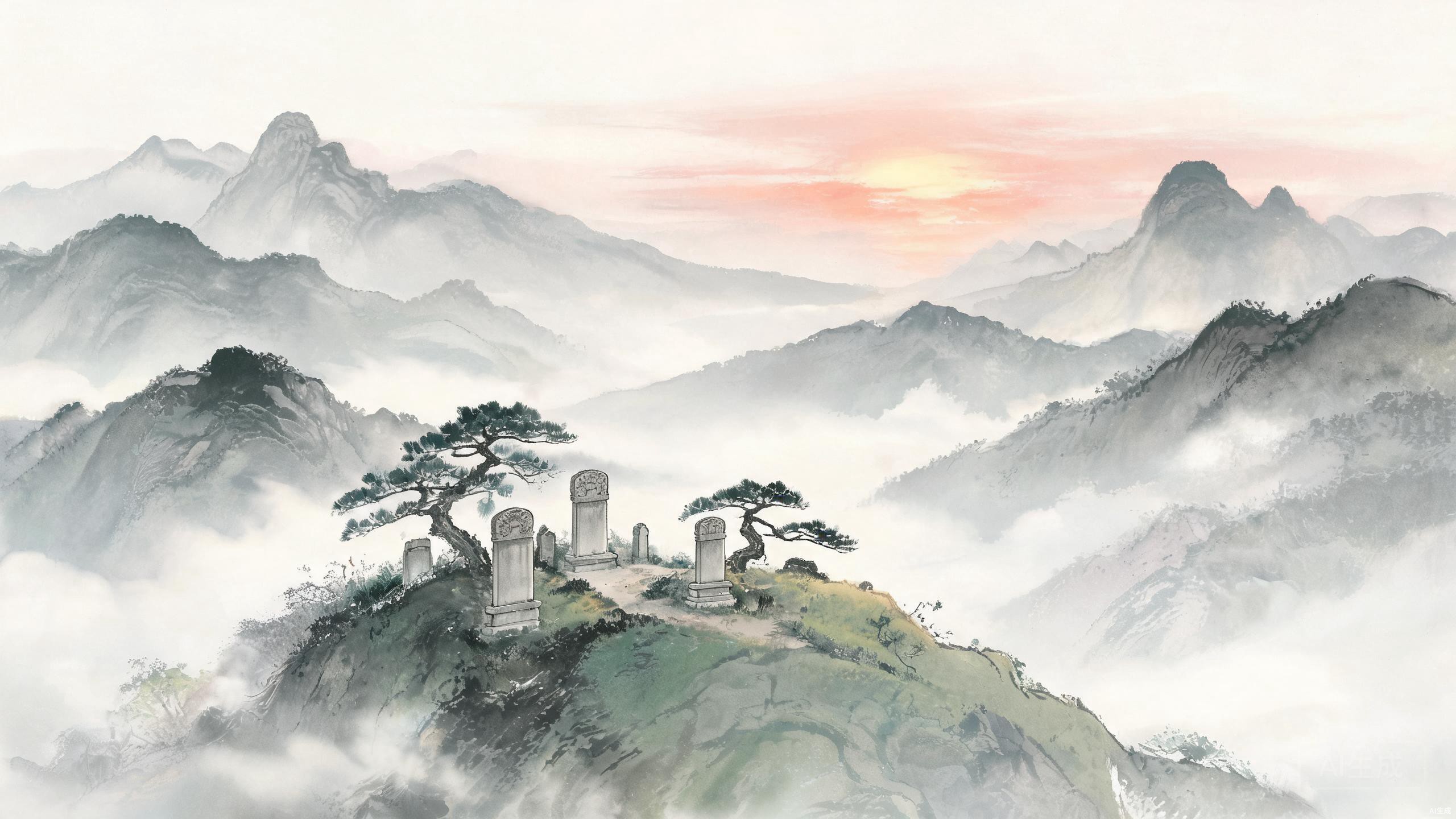
Traditional Beliefs on Ancestral Grave Feng Shui and Health
In Feng Shui, Ancestral Grave Feng Shui is considered to be deeply connected to the health and well-being of descendants. The ancients believed that when ancestors are buried in a Feng Shui treasure site (a location with exceptional energy), they can bless their descendants with robust health and protection from disease. This belief emerged from centuries of observation about how natural environments influence human health.
Cultural Context: In Chinese tradition, the concept of "Bloodline Resonance" (血脉感应, xuè mài gǎn yìng) holds that descendants remain energetically connected to their ancestors. A well-sited ancestral grave is believed to channel positive Qi to living family members, much like how healthy roots produce a thriving tree.
Feng Shui teaches that an ancestral grave serves as the energetic root of a family's field of Qi. This Qi field directly influences the health of descendants. A strong, harmonious Qi field can enhance the body's natural immunity and maintain vitality, while a weak or corrupted field may weaken immunity and contribute to illness.
The Relationship Between Feng Shui and Health
In Feng Shui theory, the quality of Qi is the decisive factor for health. Beneficial Qi should be fresh, pure, and warm — qualities that nourish the body and strengthen vitality. Harmful Qi, by contrast, is polluted, mixed, and cold — qualities that damage the body and invite disease.
The quality of an ancestral grave's Feng Shui directly determines the quality of Qi it generates. If the grave is situated in a Feng Shui treasure site with abundant Vital Qi (Sheng Qi), descendants will receive nourishing energy that supports their health. If the grave is placed in a poor location with insufficient Vital Qi or excessive Sha Qi (harmful energy), descendants may absorb these negative influences and experience health problems.
How Different Feng Shui Elements Affect Health
Water Sources and Health
Water quality has a significant impact on health. Good water sources are clear, clean, and odorless — symbolizing vitality and wellness. Poor water sources are murky, polluted, or foul-smelling — potentially indicating health challenges for descendants.
If water near an ancestral grave is polluted or of poor quality, it may signal that descendants are prone to health issues.
Vegetation and Health
The condition of surrounding vegetation also reflects energetic health. Lush, thriving vegetation around an ancestral grave symbolizes vitality and suggests descendants enjoy good health. Sparse or withered vegetation may indicate insufficient Qi, potentially affecting the well-being of family members.
Landform and Health
The choice of terrain is equally important. Low-lying, damp locations tend to accumulate excessive Yin energy, making descendants susceptible to ailments like rheumatism. Excessively steep terrain creates unstable Qi flows, which may manifest as nervous system disorders in descendants.
Specific Health Effects of Ancestral Grave Feng Shui
The health benefits of a well-sited ancestral grave manifest in multiple ways: family members enjoy robust physical health and rarely fall ill; they maintain positive mental states withabundant energy; and they often enjoy longer lifespans with comfortablelater years.
By contrast, signs of poor ancestral grave Feng Shui include: frequent health problems among family members (chronic illness, sudden disease episodes); poor mental states marked by fatigue and anxiety; shorter lifespans; or unexpected accidents.
Remember: Feng Shui seeks to balance Yin and Yang energies — the dual forces that shape all existence.
How to Apply This: Warning Signs to Watch For
Use this checklist to evaluate your family's ancestral gravesite conditions:
- Water check: Is there a stagnant or polluted water source nearby? This may indicate health risks for descendants.
- Vegetation check: Is the surrounding plant life lush and green, or sparse and dying? Healthy vegetation signals strong Qi.
- Terrain check: Is the grave on flat, well-drained ground — or in a damp hollow or precarious slope?
If multiple warning signs appear, consider consulting a Feng Shui professional for a site assessment.
- Balance the Five Elements: Incorporate Wood, Fire, Earth, Metal, and Water in your décor for harmonious energy
Improving Ancestral Grave Feng Shui to Enhance Health
If your ancestral grave has poor Feng Shui, the following methods can help improve it:
Improve Water Sources: Clean up polluted water near the grave, enhance water quality, or install water purification facilities around the site.
Strengthen Greenery: Plant trees, shrubs, and flowers around the grave to increase Vital Qi and improve the energy field.
Improve Drainage: If the grave sits in a low-lying area, install proper drainage systems to prevent water accumulation.
Adjust the Environment: Clean up the area around the grave and remove sources of Sha Qi (harmful energy), such as sharp-cornered structures or Reverse Bow Sha (反弓煞) — roads or paths that curve away from the site like a bowstring.
Quick Tips:
- Regular maintenance of the gravesite is essential — overgrown weeds and accumulated debris weaken Qi
- Adding fresh flowers during visits refreshes the energy and honors ancestors
- Avoid placing metal objects or sharp stones near the grave, as they generate Sha Qi
The Multi-Factor Nature of Health
While Ancestral Grave Feng Shui is believed to influence health, wellness is shaped by many factors — including genetics, diet, lifestyle, and access to medical care. Ancestral Grave Feng Shui is just one contributing factor, not a determining one.
In real life, we should prioritize healthy living habits, regular medical checkups, and timely treatment when health issues arise. At the same time, improving ancestral grave Feng Shui can provide psychological comfort and positive affirmation that supports overall well-being.
The relationship between Ancestral Grave Feng Shui and descendants' health is an important concept in traditional Chinese culture. It reflects our ancestors' genuine concern for wellness and deep respect for family lineage. While improving ancestral grave Feng Shui, we must also focus on practical health management to truly safeguard the well-being of ourselves and our loved ones.
Practical Considerations in Application
In real Feng Shui practice, theoretical principles must be adapted to specific geographic environments and practical circumstances. Rigidly applying textbook knowledge without flexibility — or over-relying on a single method — rarely produces good results. An excellent Feng Shui practitioner combines theory with practice and tradition with modernity.
During the evaluation and adjustment process, keep these principles in mind:
- Respect nature: Never forcefully alter the natural environment; work with the land, not against it
- Holistic assessment: Never make decisions based on a single factor; consider the full picture
- Practical feasibility: Theoretically perfect solutions may not be practically achievable — prioritize what's workable
A Modern Scientific Perspective
From a modern scientific standpoint, many traditional Feng Shui principles contain reasonable, practical wisdom. For example, choosing a site with a mountain behind and water in front (背山面水) uses the mountain to block cold winds and the water to moderate temperature — creating a favorable microclimate. Choosing well-drained high ground avoids dampness and积水, helping preserve the integrity of the burial site.
Cultural Context: These principles are essentially the product of generations of careful observation and empirical wisdom. Long before modern meteorology, Feng Shui masters understood how landforms affect local climate — a knowledge that aligns remarkably well with contemporary environmental science.
These Feng Shui principles reflect the ancient Chinese wisdom of living in harmony with nature. In modern society, we should approach this traditional wisdom with a scientific attitude — preserving its valuable insights while discarding superstition.
The Cultural Heritage and Evolution of Feng Shui
As an important component of traditional Chinese culture, Feng Shui retains significant cultural value in contemporary society. It is not only the ancients' understanding and synthesis of the natural environment but also a crystallization of Chinese civilizational wisdom. Studying Feng Shui culture helps us better grasp the essence of traditional Chinese heritage.
As we pass down Feng Shui culture, we must also keep pace with the times — integrating the rational core of traditional Feng Shui with modern science, allowing this ancient wisdom to radiate new vitality in our era.
Feng Shui Principles for Health
The connection between health and Feng Shui is primarily expressed through environmental quality. The environmental quality surrounding a grave directly determines the quality of the Qi field, which in turn affects descendants' health.
When the area around a grave features lush vegetation, fresh air, and clean water sources, the Qi field is favorable — supporting the physical and mental wellness of descendants. Conversely, if the surrounding environment is polluted or the Qi is chaotic, descendants may suffer negative health effects. Therefore, choosing an environmentally sound burial site is both a responsibility to descendants' health and an expression of humanistic care for future generations.
Quick Environmental Assessment Checklist
Before selecting or evaluating an ancestral grave site, verify these conditions:
- ☐ Vegetation: Lush, diverse plant life present
- ☐ air quality: Fresh, clean Qi with no nearby industrial pollution
- ☐ Water quality: Clear, flowing water (not stagnant or contaminated)
- ☐ Drainage: Natural water runoff; no pooling or flooding
- ☐ Terrain: Stable, balanced slopes; no erosion risks
The Cultural Significance of Feng Shui Heritage
Feng Shui culture carries the profound Chinese understanding of nature and life — a precious cultural heritage left by our ancestors. In today's highly developed technological society, the principles embedded in Feng Shui — respect for nature and the pursuit of harmony — remain remarkably relevant. By studying Feng Shui knowledge, we can not only better understand traditional culture but also apply ancient wisdom in practice to bring greater peace and security to our lives and families.
When approaching Feng Shui, we should maintain a rational, scientific attitude — respecting tradition while moving forward with the times — allowing Feng Shui culture to play a positive role in modern society.
Final Thought: Feng Shui is best understood as a dialogue between humans and environment. Whether you are arranging a living space or honoring an ancestral grave, the underlying principle remains the same: create conditions that support life, health, and harmony.
Related Articles
- [[../08-百科问答库/47-什么是Yin Dwelling风水?Yin Dwelling风水真的影响后代吗?.md|What Is Yin Dwelling Feng Shui? Does It Really Affect Descendants?]]
- [[../01-风水入门/29-风水中的病符位.md|The Illness Symbol Position in Feng Shui]]
- [[../02-家居风水/44-葫芦与风水.md|The Gourd in Feng Shui: A Auspicious Symbol of Fortune and Prosperity]]
- [[../02-家居风水/32-卫生间门对门化解.md|Remedying Bathroom Door-to-Door Confrontation: Kitchen-Bath and Door Clash Solutions]]