Ancestral Grave Feng Shui: How It Influences Your Children's Academic Success and Fortune
In traditional Chinese culture, Ancestral Grave Feng Shui (祖坟风水) is believed to have a profound connection to the academic achievements of descendants. The ancients held that when ancestors are buried
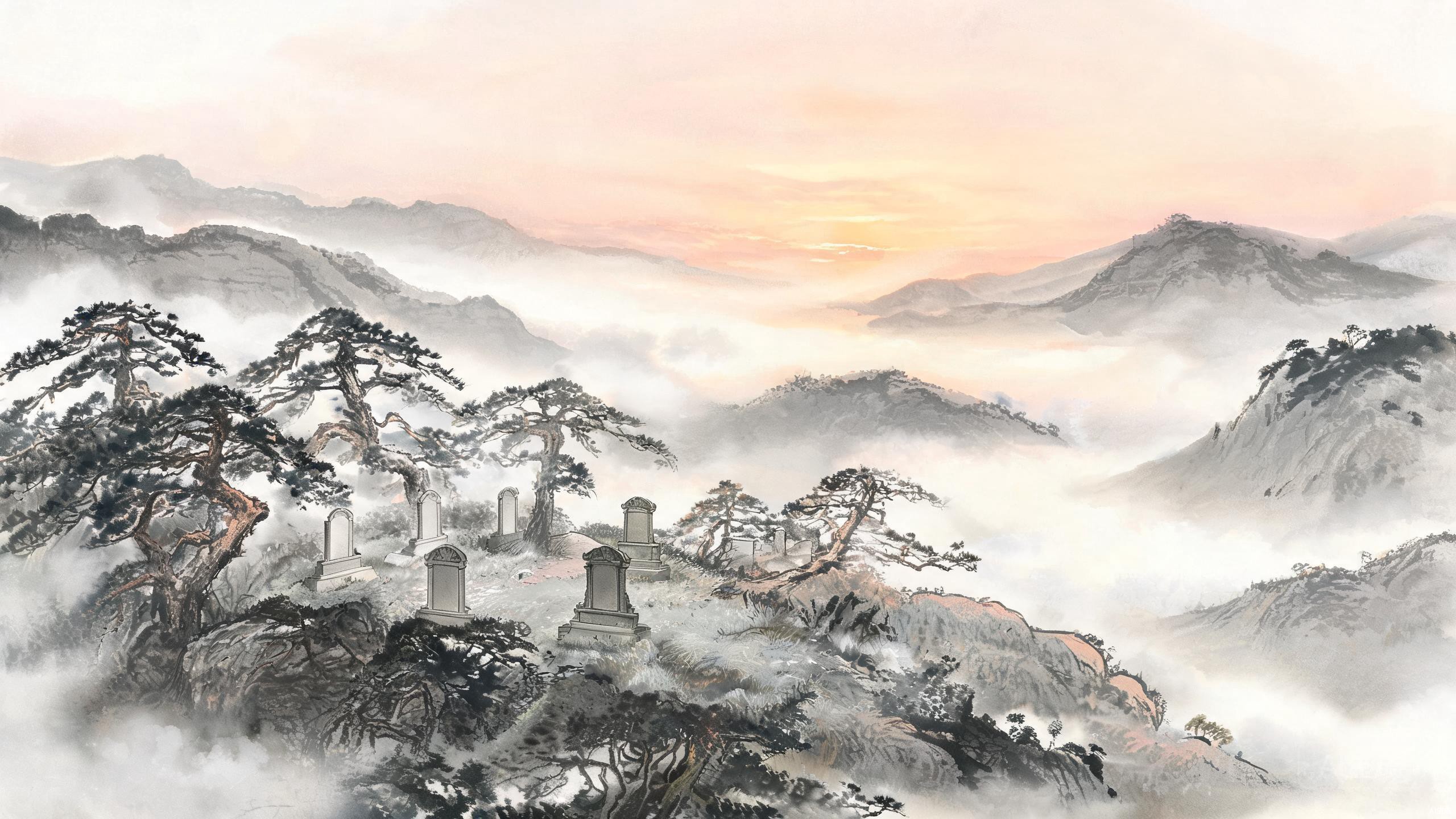
Ancestral Grave Feng Shui and Traditional Beliefs About Academic Success
In traditional Chinese culture, Ancestral Grave Feng Shui (祖坟风水) is believed to have a profound connection to the academic achievements of descendants. The ancients held that when ancestors are buried in a Feng Shui treasure site, they can bless their descendants with scholarly success and examination honors. This belief flourished especially during the imperial examination era, when countless families sought to enhance their children's academic fortune by improving the Feng Shui of ancestral graves.
Feng Shui theory holds that academic fortune is connected to the Wenchang Star (文昌星), whose position and energy are influenced by the Feng Shui of the ancestral grave. A favorable Ancestral Grave Feng Shui configuration can activate the Wenchang Star's power, helping descendants achieve outstanding academic results.
Cultural Context: In Chinese metaphysics, the Wenchang position is the sector that governs intelligence, concentration, and scholarly achievement. Linked to the literary star of Chinese astrology, it has long been considered the most important sector for students, scholars, and examination candidates.
Feng Shui Elements and Their Relationship to Academic Success
Literary Peaks (Wen Feng) and Studies
In Feng Shui, the "Literary Peak" (文峰, wen feng) refers to a mountain peak in front of the Feng Shui Point that resembles a brush holder or writing brush. The presence of a Literary Peak symbolizes scholarly success and flourishing academic fortune.
If the ancestral grave has a Literary Peak directly in front, or a mountain shaped like a writing brush, it is considered an auspicious sign for the descendants' academic achievements. The clearer and more upright the Literary Peak, the stronger the academic fortune.
Desk Mountain (An Shan) and Studies
The Desk Mountain (案山, an shan) is a low hill in front of the Feng Shui Point, resembling a scholar's desk. An ideal Desk Mountain should be flat and even like a desk surface, symbolizing the descendants' ability to study with peace of mind. The Desk Mountain should not be too high — excessive height creates a sense of oppression that can hinder learning effectiveness.
Water Sources and Studies
In Feng Shui, water also represents wisdom. Beneficial water sources bring wisdom and inspiration, positively influencing academic performance. Clear water symbolizes clear thinking, while gentle, smooth-flowing water represents a stable, focused state of study.
Orientation and Studies
The facing direction of the ancestral grave also influences academic fortune. An eastern orientation is considered auspicious — the East represents vitality, hope, and the direction of the Wenchang Star. A southern orientation is also regarded as favorable, as the South represents brightness and wisdom.
How Ancestral Grave Feng Shui Specifically Affects Academic Success
The influence of a favorable Ancestral Grave Feng Shui manifests in several ways: descendants become intelligent and eager to learn, achieving excellent academic results; examinations go smoothly, leading to admission to ideal schools; and outstanding achievements in academic research become possible.
In contrast, unfavorable Ancestral Grave Feng Shui may lead to: learning difficulties and poor concentration; poor examination results and struggles with advancement; and a lack of interest and motivation in studying.
How to Improve Ancestral Grave Feng Shui to Boost Academic Fortune
If the ancestral grave Feng Shui is unfavorable, the following methods can help improve it:
Establish a Literary Peak: Place a pagoda or pen-shaped stone pillar at an appropriate position in front of the ancestral grave to symbolize the Literary Peak.
Improve the Desk Mountain: If no Desk Mountain exists in front of the grave, plant trees or construct landscape features to create a similar effect.
Enhance Wenchang Energy: Plant Wenchang bamboo or similar plants around the ancestral grave, or install a Wenchang Pagoda nearby to strengthen Wenchang energy.
Clean the Environment: Clear the surroundings of the ancestral grave, keeping it tidy and beautiful to cultivate a positive learning atmosphere.
How to Apply This in Practice
- Assess the current landscape: Visit the ancestral grave site and observe whether Literary Peaks, Desk Mountains, and water features are properly positioned
- Choose appropriate enhancements: Select 1-2 of the four methods above based on the actual conditions — avoid over-decorating the site
- Maintain regularly: Schedule seasonal cleanings to keep the area pristine and the energy fresh
- Consult a professional: For significant changes, seek guidance from a qualified Feng Shui practitioner who understands local terrain
Quick Tips:
- Bamboo planted near the grave symbolizes scholarly virtue and steady growth — ideal for reinforcing Wenchang energy
- Avoid placing sharp, jagged rocks or chaotic formations near the grave — they create Form Sha (形煞) that disrupts scholarly focus
- A peaceful, well-maintained environment is more important than elaborate additions
The Multi-Factor Nature of Academic Success
While Ancestral Grave Feng Shui is believed to influence academic success, genuine educational achievement depends far more on personal effort, effective study methods, and quality educational resources. Ancestral Grave Feng Shui is just one contributing factor — not a determining one.
In real life, we should focus more on cultivating children's learning habits and interests, and provide them with excellent educational resources and a supportive study environment. At the same time, improving Ancestral Grave Feng Shui can offer psychological comfort and positive affirmation.
The relationship between Ancestral Grave Feng Shui and descendants' academic success is an important concept in traditional Chinese culture. It reflects people's beautiful wishes for educational achievement and their respect for ancestors. By improving Ancestral Grave Feng Shui, we can gain positive psychological support — but the most important factor is providing excellent educational conditions for our children in daily life.
Important Notes for Practical Application
In actual Feng Shui practice, it is essential to combine specific geographical environments and real-world conditions, applying relevant theories flexibly. One should not mechanically copy textbook knowledge, nor rely excessively on any single method. A skilled Feng Shui practitioner should be a comprehensive professional who integrates theory with practice, and tradition with modernity.
During implementation, pay attention to the following points: First, fully respect nature — do not forcibly alter the natural environment. Second, emphasize comprehensive judgment — never make decisions based on a single factor alone. Third, consider practical feasibility — theoretical perfection does not always equal practical viability.
A Modern Scientific Perspective
From a modern scientific standpoint, many principles within traditional Feng Shui theory have reasonable empirical foundations. For example, choosing a site with a mountain behind and water in front allows the mountain to block cold winds while the water surface moderates temperature, creating a favorable microclimate. Selecting elevated ground with good drainage avoids moisture and waterlogging, helping preserve the integrity of the burial site.
These Feng Shui principles are actually the result of the ancients' long-term observation and summary of the natural environment, reflecting the wisdom of harmony between humanity and nature. In modern society, we should inherit and develop these traditional wisdoms with a scientific attitude.
The Inheritance and Development of Feng Shui Culture
As a vital component of traditional Chinese culture, Feng Shui retains significant cultural value in modern society. It is not only the ancients' understanding and summary of the natural environment, but also the crystallization of Chinese civilization's wisdom. Studying and understanding Feng Shui culture helps us better appreciate the essence of traditional Chinese culture.
While inheriting Feng Shui culture, we should also keep pace with the times — integrating the reasonable core of traditional Feng Shui with modern science, allowing Feng Shui culture to radiate new vitality in the new era.
Feng Shui Support for Academic Success
The relationship between academic fortune and Feng Shui is primarily embodied in the Wenchang Position (文昌位, wen chang wei). In Feng Shui, the Wenchang Position is the sector that governs academic success and literary fortune. When the grave faces the Wenchang Position, or when auspicious "sand" formations corresponding to the Wenchang Position surround the grave, it is considered beneficial for the descendants' academic development.
Additionally, the environment surrounding the grave affects academic fortune. A peaceful, quiet environment with serene energy helps cultivate concentration and reflective thinking. Therefore, choosing a burial site with a tranquil atmosphere is also a form of support for descendants' education — reflecting the importance placed on future generations' development.
The Cultural Significance of Feng Shui Transmission
Feng Shui culture carries the Chinese people's profound understanding of nature and life, making it a precious cultural heritage left by our ancestors. In today's society, although science and technology are highly advanced, the principles of respecting nature and pursuing harmony embedded in Feng Shui still hold important practical meaning. By studying Feng Shui knowledge, we can not only better understand traditional culture but also apply the wisdom of the ancients in practice to add peace and security to our lives and those of our families. When approaching Feng Shui, we should maintain a rational and scientific attitude — respecting tradition while moving with the times — so that Feng Shui culture can play a positive role in modern society.
Related Articles
- [[../08-百科问答库/47-什么是Yin Dwelling风水?Yin Dwelling风水真的影响后代吗?.md|What Is Yin Dwelling Feng Shui? Does It Really Influence Future Generations?]]
- [[../01-风水入门/26-风水中的文昌位详解.md|Detailed Guide to the Wenchang Position in Feng Shui]]
- [[../05-命理与运势/09-面相断Yin Dwelling风水.md|Face Reading and Yin Dwelling Feng Shui: Reading Graves Through the Nose and Facial Features]]
- [[../05-命理与运势/10-气色观风水.md|Reading Qi and Complexion for Feng Shui: Facial Vitality and Ancestral Grave Connections]]