Bad Ancestral Grave Feng Shui? Complete Guide to Remedies and Improvements
The signs of unfavorable Ancestral Grave Feng Shui (祖坟风水, zǔ fén fēng shuǐ) can manifest in many ways. Common indicators include: - The grave's surrounding environment appears neglected, with sparse v
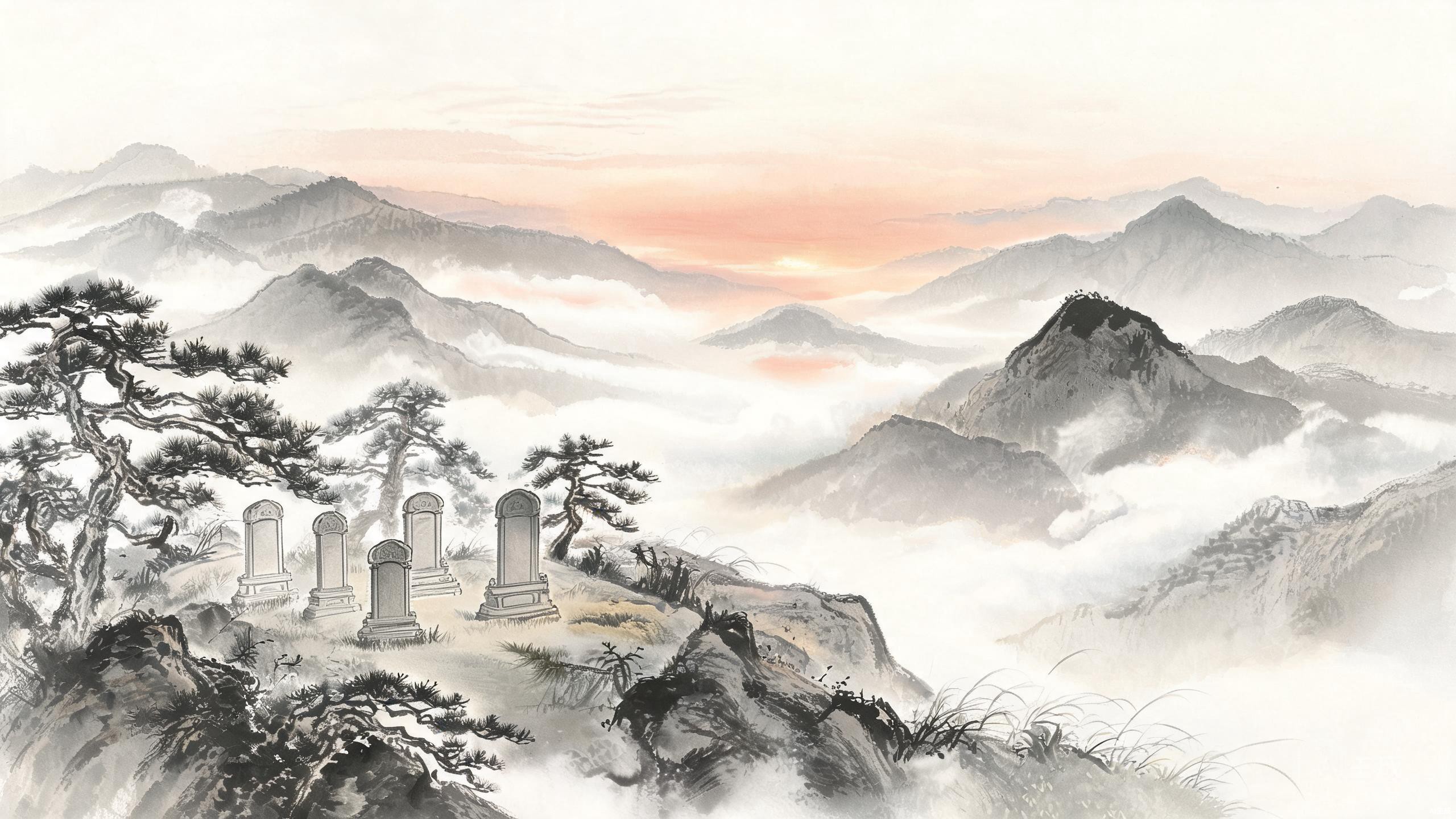
Signs of Poor Ancestral Grave Feng Shui
The signs of unfavorable Ancestral Grave Feng Shui (祖坟风水, zǔ fén fēng shuǐ) can manifest in many ways. Common indicators include:
- The grave's surrounding environment appears neglected, with sparse vegetation and polluted water sources
- Family members frequently experience health problems, career setbacks, or financial difficulties
- Increased internal conflicts and strained relationships within the family
- Descendants face blocked development paths and a decline in notable talent
Cultural Context: Ancestral Grave Feng Shui is rooted in the concept of "Bloodline Resonance" (血脉感应, xuè mài gǎn yìng) — the belief that the Qi (气) of one's ancestors flows through family lines and influences the fate of later generations. This is why a poorly situated grave is thought to affect not just one person, but entire family lineages.
If you notice these warning signs, you should promptly conduct a thorough assessment of the grave's Feng Shui and take appropriate improvement measures.
Core Principles for Improving Ancestral Grave Feng Shui
Diagnosis First
Before taking any remedial action, conduct a comprehensive diagnosis of the grave's Feng Shui. The assessment should examine: the flow of the Dragon Vein (龙脉), the protection offered by surrounding Sand (砂), the direction of water flow, the auspiciousness of the Sitting and Facing (坐向) direction, and the quality of the surrounding environment.
Working with Natural Conditions
Feng Shui improvement should follow the principle of working with natural terrain rather than against it. Make appropriate adjustments only when natural conditions permit — never try to forcefully reshape the landscape.
Comprehensive Treatment
Feng Shui problems are rarely caused by a single factor. A holistic approach is essential. Combine improvements to the Dragon Vein, surrounding protective hills, water sources, and orientation into one complete remediation plan.
Methods for Improving Ancestral Grave Feng Shui
Strengthening the Dragon Vein
If the Dragon Vein lacks sufficient momentum and strength, you can take these steps:
- Plant trees behind the grave to reinforce the Dragon Vein's backing support
- Place markers along the Dragon Vein's path to enhance its continuity and energy flow
Reinforcing the Protective Sand
If the surrounding hills (Sand, 砂) do not adequately embrace and protect the site:
- Plant trees around the grave, especially in areas where protective hills are missing
- Erect artificial hills or stone tablets in the Sand positions to strengthen the protective embrace
Improving Water Sources
If the water quality is poor or the water flow pattern is unfavorable:
- Clean the water source and improve its quality
- Redirect the water's path so it embraces and surrounds the grave
- Install a pond or fountain near the grave to increase water's energetic influence
Cultural Context: In Feng Shui, water represents wealth and prosperity. The ideal water flow gently curves around a site rather than rushing straight past or flowing away. This principle — sometimes called "Mountains Embracing and Water Surrounding" (山环水抱, shān huán shuǐ bào) — creates a protective, wealth-attracting energy pattern.
Adjusting the Facing Direction
If the grave's facing direction is inauspicious:
- Adjust the headstone's orientation to face a more auspicious direction
- Place markers in the auspicious direction to strengthen the favorable Qi
Increasing Vital Qi
Plant flowers and trees around the grave to boost Vital Qi (生气, shēng qì) and enhance the overall energy field. Choose evergreen species such as pine, cypress, and holly that provide year-round life force.
Dissolving Sha Qi
If the grave is affected by Form Sha (形煞, xíng shà) from the surrounding environment:
- Erect barriers between the Sha source and the grave — such as trees or walls
- Place protective Feng Shui objects near the grave, such as Shi Gan Dang (泰山石敢当, Taishan Stone Tablets) or Bagua Mirrors (八卦镜)
Quick Tips:
- Evergreen trees are preferred around graves — they symbolize enduring vitality and unbroken family prosperity
- Sharp or pointed objects should never be placed near the grave, as they generate Sha Qi
- Keep the grave area clean and well-maintained; neglect sends a signal of declining family fortune
When to Consider Relocation
If the Ancestral Grave Feng Shui problems are severe and cannot be resolved through standard remedies, relocation (迁坟) may be the ultimate solution. However, relocating ancestral remains is a major decision that requires careful deliberation.
Relocation Checklist
- Select a new burial site with strong Feng Shui characteristics
- Choose an auspicious date and time for the relocation ceremony
- Perform the appropriate traditional rituals to honor the ancestors
- Observe changes in the family's fortune after relocation
Important Precautions When Improving Ancestral Grave Feng Shui
Respect Tradition
Always honor traditional customs and ceremonies when improving ancestral graves. Never make changes arbitrarily. Before taking any action, conduct a proper worship ceremony to inform the ancestors of your intentions.
Seek Professional Guidance
Improving Ancestral Grave Feng Shui is a specialized discipline. Engage a qualified Feng Shui practitioner who can conduct a thorough assessment and develop an appropriate improvement plan.
Maintain Rational Perspective
While improving Feng Shui can help, family prosperity ultimately depends on the efforts and abilities of family members. Avoid excessive superstition — treat Feng Shui as a supportive practice rather than a magical solution.
Quick Tip: The most powerful "Feng Shui remedy" is often the simplest — a clean, well-tended grave with healthy vegetation demonstrates ongoing family respect and naturally attracts positive Qi.
Poor Ancestral Grave Feng Shui is not a hopeless situation. With the right methods, you can gradually transform the grave's energy and bring better fortune to your entire family.
Practical Application Notes
In real-world Feng Shui practice, theory must be adapted to specific geographic environments and actual conditions. Never apply textbook knowledge rigidly, and avoid over-reliance on any single method. A skilled Feng Shui practitioner combines theory with practice, and tradition with modernity.
Three Key Operational Principles
- Respect Nature: Never force changes to the natural environment against its inherent character
- Comprehensive Judgment: Avoid making decisions based on a single factor alone
- Practical Feasibility: What looks perfect in theory may not work in reality — always consider real-world constraints
A Modern Scientific Perspective
From a modern scientific standpoint, many traditional Feng Shui principles have sound rational foundations:
- Sitting North Facing South (坐北朝南): A south-facing position maximizes sunlight and warmth in the Northern Hemisphere, while mountain backing provides protection from cold northern winds
- Water proximity: Water bodies moderate temperature extremes and improve local microclimate
- Elevated, well-drained sites: Higher ground with good drainage prevents moisture damage and preserves the integrity of the burial site
These Feng Shui principles represent the accumulated wisdom of centuries of careful observation of natural environments. They reflect a profound understanding of humanity's harmonious relationship with nature. In modern society, we should approach these traditional insights with a scientific mindset — preserving their valuable core while letting go of mystical explanations.
The Cultural Heritage and Evolution of Feng Shui
As an important component of Chinese traditional culture, Feng Shui retains significant cultural value in contemporary society. It represents both our ancestors' systematic understanding of natural environments and the distilled wisdom of Chinese civilization. Studying Feng Shui helps us better appreciate the depth of traditional Chinese thought.
Cultural Context: Feng Shui embodies the philosophical principle of "Unity of Heaven and Humanity" (天人合一, tiān rén hé yī) — the idea that human beings are not separate from nature but exist in continuous relationship with it. This ancient ecological worldview resonates strongly with modern sustainability principles.
As we pass down Feng Shui knowledge, we must also evolve with the times — integrating its reasonable core with modern science so that this cultural tradition can flourish in new ways for future generations.
A Systematic Framework for Ancestral Grave Improvement
Improving Ancestral Grave Feng Shui is a systematic project that requires attention from multiple angles:
- Comprehensive Assessment: First evaluate the grave's Feng Shui to identify existing problems
- Targeted Plan: Develop specific remedies based on the assessment findings
- Multi-Method Approach: Combine adjustments to the headstone direction, environmental cleanup, strategic planting, and placement of Feng Shui objects
- Consider Relocation as Last Resort: Only when other methods prove insufficient should grave relocation be considered — and only after weighing all pros and cons carefully
The Cultural Significance of Feng Shui
Feng Shui culture carries the Chinese nation's profound understanding of nature and life — a precious cultural heritage left by our ancestors. Even in today's technologically advanced world, Feng Shui's core values of respecting nature and pursuing harmony remain deeply relevant.
By studying Feng Shui principles, we gain not only insight into traditional culture but also practical wisdom to bring greater peace and security to our families and ourselves. When approaching Feng Shui, we should maintain a rational, scientific attitude: respecting tradition while staying current with the times, so that Feng Shui culture can continue playing a positive role in modern life.
Related Articles
- [[../08-百科问答库/48-祖坟风水不好怎么办?如何改善?.md|Bad Ancestral Grave Feng Shui? How to Improve It]]
- [[../08-百科问答库/47-什么是Yin Dwelling风水?Yin Dwelling风水真的影响后代吗?.md|What Is Yin Dwelling Feng Shui? Does It Really Affect Descendants?]]
- [[../02-家居风水/15-户型缺角的化解.md|Feng Shui Remedies for Missing Corners: Eight Direction Impacts and Solutions]]
- [[../02-家居风水/17-东西向房屋的风水.md|East-West Facing House Feng Shui: West Sun Exposure Problems and Solutions]]