Burial Ceremony Feng Shui: Complete Ritual Guide for Honoring Ancestors and Ensuring Family Prosperity
The burial ceremony is the final rite in laying a loved one to rest — and one of the most important practices in Yin Dwelling Feng Shui (阴宅风水, yin zhai feng shui). A properly conducted ceremony honors
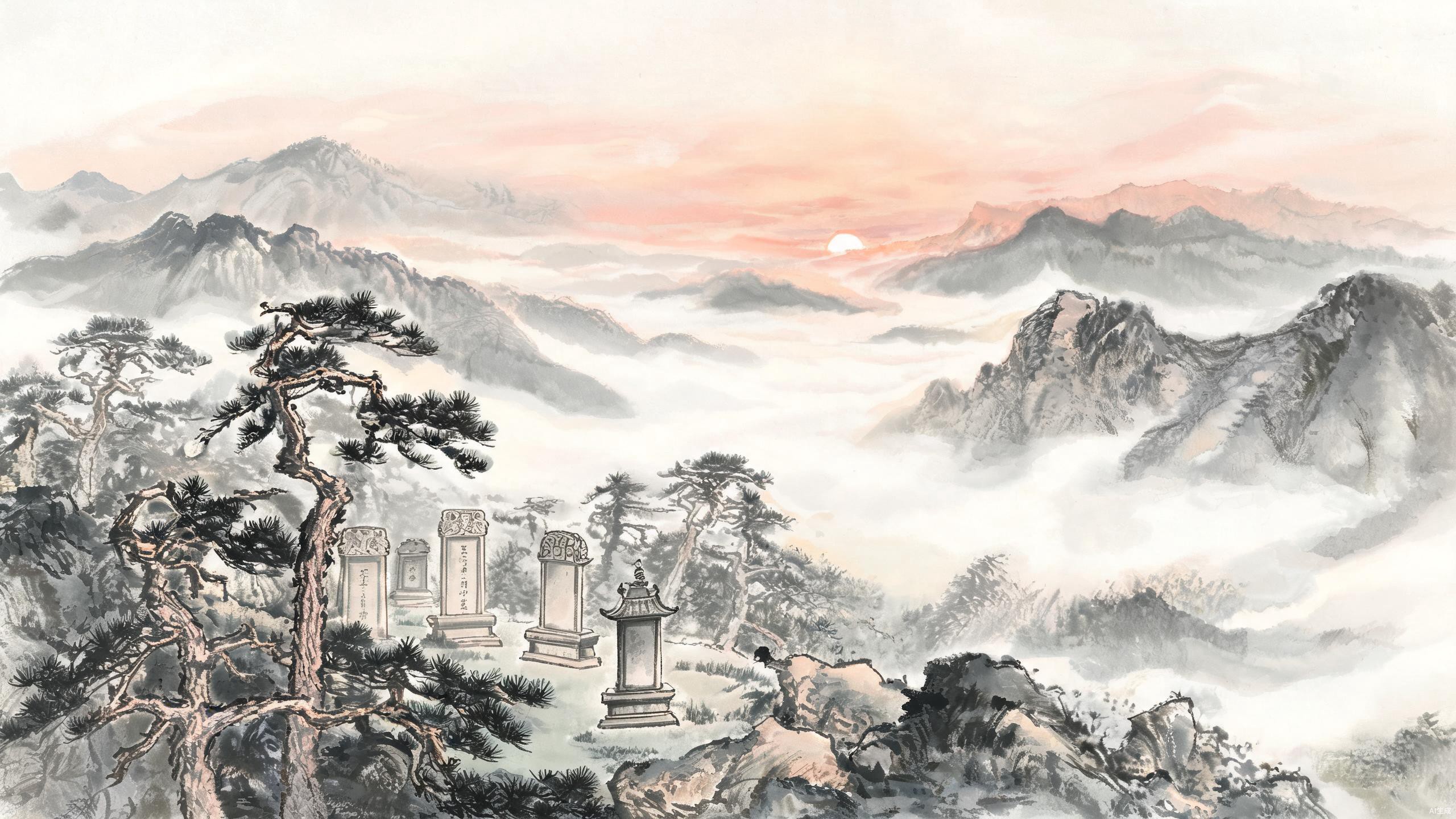
The Feng Shui Significance of Burial Ceremonies
The burial ceremony is the final rite in laying a loved one to rest — and one of the most important practices in Yin Dwelling Feng Shui (阴宅风水, yin zhai feng shui). A properly conducted ceremony honors the deceased with dignity while activating the Qi of the burial site to bless future generations.
In Feng Shui philosophy, the burial ritual serves as a bridge between the realms of Yin and Yang. When performed correctly, it allows the departed to rest peacefully while transmitting auspicious energy (吉祥之气) to the living descendants.
Cultural Context: In traditional Chinese culture, burial is not merely a farewell — it is a sacred transition. The ceremony's precision is believed to affect the family's fortune for generations, which is why every detail from timing to orientation is treated with great care.
Preparations Before the Burial
Choosing an Auspicious Date
The first step is selecting an auspicious date and hour. This calculation integrates several factors: the deceased's BaZi (八字, Eight Characters birth chart), the Heavenly Stems and Earthly Branches (天干地支) of the day, and the auspicious or inauspicious nature of the celestial stars.
Preparing Sacrificial Offerings
A traditional ceremony requires carefully chosen offerings, commonly including:
- Incense and candles
- Spirit money (paper joss)
- Fresh fruits
- Cakes and pastries
- Wine and beverages
- Three sacrificial animals (三牲): pork, chicken, and fish
Notifying Family Members
All relatives should be informed of the time and location well in advance. Their presence represents the final farewell to the deceased and reflects the family's unity and respect.
Step-by-Step Burial Ceremony Process
1. The Awakening of the Spirit (启灵)
The ceremony begins at the family home or funeral parlor. Key rituals include offering incense, paying respects, reading the eulogy, and formally "starting the spirit's journey." Afterward, the coffin or urn is transported to the burial site.
2. The Funeral Procession (送葬)
Family members escort the coffin or urn in a solemn, dignified procession. Laughter and casual conversation are strictly prohibited — mourning requires reverence and composure.
Cultural Context: The procession route is itself a Feng Shui consideration. Path selection matters: the route should avoid inauspicious locations such as hospitals or prisons, which are believed to carry heavy Yin energy that could interfere with the deceased's peaceful passage.
3. Arrival and Worship of the Earth God
Upon reaching the cemetery, the first act is to worship the Earth God (土地神). This ritual asks the local deity to accept the deceased into the land and ensure their peaceful rest.
The Earth God worship includes offering incense, burning spirit money, presenting sacrificial offerings, and reciting a prayer of dedication.
4. The Burial Ritual (Core Ceremony)
This is the heart of the entire process. The steps below must be followed with precision:
Warming the Acupoint (暖穴): Before placing the coffin or urn, spirit money is burned inside the grave. This "warms" the space, dispels excess Yin energy, and creates a comforting environment for the deceased.
Placement (安放): The coffin or urn is carefully positioned according to the predetermined orientation. The base should not touch bare soil directly — a wooden plank or stone slab is placed underneath as a barrier.
Sealing the Grave (封穴): Clean soil (free of stones and debris) is used to cover the coffin or urn, then compacted firmly. Impurities in the soil are believed to disrupt the site's energy flow.
Erecting the Headstone (立碑): After sealing, a memorial stone is erected at the front of the grave. Its facing direction must align with the grave's orientation, and the stone must be installed firmly and upright.
5. The Memorial Offering (祭拜)
Once the burial is complete, family members offer prayers to both the deceased and the Earth God. Offerings include incense, spirit money, food, and recitation of the eulogy, followed by bows of respect — a moment to express love, remembrance, and blessings for the departed.
Feng Shui Taboos During the Ceremony
Avoid Impurities
No unclean items should be brought into the burial area. This includes blood stains, excrement, and garbage. Such impurities contaminate the grave's Qi field and disrupt the site's Feng Shui effectiveness.
Avoid Arguments
Family members must remain harmonious throughout the ceremony. Arguments generate negative energy that interferes with the ritual's purpose and can create lasting disharmony within the family.
Do Not Look Back
When leaving the cemetery after the burial, do not turn back to look at the grave. Looking back is interpreted as an unhealthy attachment to the deceased, which may disturb their peaceful rest.
Quick Tips:
- Silence your phone and speak softly throughout the ceremony to maintain a sacred atmosphere
- Children should be kept close and well-behaved; wailing is acceptable, but running and playing are not
- Anyone attending should wear muted, respectful clothing — avoid bright red, which is traditionally reserved for celebration
After the Burial: Important Follow-Up Practices
The Mourning Period (守孝)
Immediate family members traditionally observe a mourning period, typically 49 days or 100 days, depending on regional customs. During this time, attendance at festive events is avoided as an expression of grief and respect.
Ongoing Memorial Visits
Family members should visit the grave regularly to pay respects. Traditional memorial dates include:
- First Seventh (7th day after death) (First Seven): 7 days after death
- Third Seventh (21st day after death) (Third Seven): 21 days
- Fifth Seventh (35th day after death) (Fifth Seven): 35 days
- Seventh Seventh (49th day after death) (Seventh Seven): 49 days
- Hundred Days (after death) (Hundred Days): 100 days
- First Anniversary (of death) (First Anniversary)
The proper execution of the burial ceremony's Feng Shui procedure is essential for ensuring both the deceased's peaceful rest and the descendants' continued prosperity. By following the traditional ritual sequence, you maximize the burial site's beneficial energy and invite lasting peace and good fortune into the family.
Practical Considerations in Modern Application
In real-world Feng Shui practice, theory must be adapted to specific geographic and situational realities. Rigidly applying textbook formulas — or over-relying on any single method — leads to poor outcomes. An excellent Feng Shui practitioner combines theory with practice, tradition with modernity.
Three guiding principles for real-world application:
- Respect nature: Never forcibly alter the natural environment to fit a formula
- Holistic judgment: Never decide based on a single factor; always assess the complete picture
- Practical feasibility: Theoretically perfect solutions are not always practically viable — flexibility matters
A Modern Scientific Perspective
Many traditional Feng Shui principles align remarkably well with modern environmental science. For example:
- Back to Mountain Facing Water (背山面水) positions use hills to block cold winter winds while water bodies moderate temperature, creating a favorable microclimate
- Selecting well-drained elevated ground prevents moisture accumulation and helps preserve the integrity of the burial site over time
Cultural Context: These principles represent centuries of careful observation by ancient Chinese practitioners — a form of traditional ecological wisdom. They reflect the philosophy of Unity of Heaven and Humanity (天人合一), in which human activity harmonizes with natural patterns rather than dominating them.
In the modern era, we should approach this heritage with both scientific respect and cultural appreciation, preserving its practical wisdom while discarding superstition.
The Preservation and Evolution of Feng Shui Culture
As a vital component of Chinese cultural heritage, Feng Shui retains significant cultural value in contemporary society. It is both a sophisticated body of knowledge about natural environments and a crystallization of Chinese civilizational wisdom. Studying Feng Shui deepens our understanding of traditional Chinese thought and philosophy.
As we pass this knowledge forward, it must evolve with the times — integrating the rational core of traditional Feng Shui with modern scientific insight, allowing this ancient art to flourish in the new era.
The Heart of the Burial Ceremony
The burial ceremony stands as the most important ritual in Yin Dwelling Feng Shui. A dignified, properly executed ceremony honors the deceased and comforts the living. From a Feng Shui perspective, the quality of the ceremony directly influences the energetic effectiveness of the burial site.
Every stage — from awakening the spirit, to the procession, burial, sealing of the soil, and headstone installation — carries specific meaning and must be treated with care. The family's conduct throughout these moments also affects the outcome, which is why a solemn and reverent attitude is essential throughout.
Related Articles
- [[../07-风水故事/58-风水与丧葬.md|Feng Shui and Funeral Customs — The Ancient Tradition of Yin Dwelling Feng Shui]]
- [[../05-命理与运势/09-面相断Yin Dwelling风水.md|Reading Yin Dwelling Feng Shui from the Face — Nose and Burial Ground Connections]]
- [[../07-风水故事/01-曾国藩葬地择选记.md|Zeng Guofan's Burial Site Selection — The Wisdom of "Heaven Disdains Cunning"]]
- [[../08-百科问答库/50-墓碑有什么风水讲究?墓碑朝向怎么定?.md|Headstone Feng Shui Guidelines — How to Determine Memorial Stone Orientation]]