Cremation Urn Placement and Feng Shui: A Complete Guide to Lucky Grave Arrangement
A cremation urn is the vessel that holds the cremated remains of the departed. With the widespread adoption of cremation in modern times, the urn has become an important element in Yin Dwelling Feng S
The Significance of Cremation Urns in Feng Shui
A cremation urn is the vessel that holds the cremated remains of the departed. With the widespread adoption of cremation in modern times, the urn has become an important element in Yin Dwelling Feng Shui (阴宅风水, yin zhai feng shui) — the practice of placing the deceased in harmony with the land. In Feng Shui, the cremation urn is regarded as the carrier of the deceased's Qi field, and its placement directly influences the Feng Shui effectiveness of the burial site.
A well-placed urn can effectively gather Vital Qi (生气, sheng qi), providing a peaceful resting environment for the departed while bringing blessings to future generations. Conversely, improper placement may compromise the Feng Shui of the entire burial site.
Cultural Context: Yin Dwelling Feng Shui is one of the oldest branches of Feng Shui, focused on graves, tombs, and ancestral remains. It is based on the principle of Bloodline Resonance (血脉感应) — the belief that the energy of ancestors continues to influence the fortune and wellbeing of their descendants. For this reason, proper placement of cremation urns is considered a sacred responsibility.
Choosing the Material of the Cremation Urn
Stone
Stone is the most traditional and common material for cremation urns, including marble, granite, and jade. Stone urns are exceptionally hard and durable, capable of preserving remains over long periods. From a Feng Shui perspective, stone belongs to the Earth element — symbolizing stability, grounding, and permanence — making it especially suitable for urns.
Ceramic
Ceramic urns are valued for their fine texture and elegant form, making them another popular choice. They offer an attractive appearance at a moderate price. From a Feng Shui perspective, ceramic also belongs to the Earth element, carrying the same stable, grounding qualities.
Wood
Wooden urns are lightweight, natural, and environmentally friendly — ideal for those who prefer a natural aesthetic. Common choices include rosewood (紫檀), mahogany (红木), and nanmu (楠木). From a Feng Shui perspective, wood belongs to the Wood element, symbolizing growth, renewal, and life.
Metal
Metal urns are less common and typically reserved for special circumstances. While they are sturdy and long-lasting, metal belongs to the Metal element, which restricts Earth in the Five Elements cycle. This means metal urns require careful consideration when used in Feng Shui practice.
Quick Tips:
- Stone and ceramic urns are the safest choices for most families — their Earth element energy provides stable, grounding protection
- If choosing a wooden urn, select rich, deep-grained hardwoods to maximize the Wood element's growth energy
- Metal urns are best reserved for specific situations where a Feng Shui consultant has determined the Metal element is compatible
Choosing the Color of the Cremation Urn
The color of the cremation urn also carries Feng Shui significance. Colors should be dignified and restrained — never overly bright or flashy.
Black: Belongs to Water. Represents wisdom and depth. It is the most common color for cremation urns.
White: Belongs to Metal. Represents purity and clarity. Ideal for those who prefer a minimalist aesthetic.
Red: Belongs to Fire. Represents warmth and vitality. Commonly seen in traditional funeral settings.
Gold: Belongs to Metal. Represents nobility and eternity. Suited for premium urns.
Placement of the Cremation Urn
Placement Within a Burial Plot
When placed within a burial plot, the urn should be positioned with precision. Place the urn at the center of the plot, aligned with the direction the headstone faces. The front of the urn — typically the side bearing the photograph or inscription — should face forward toward the headstone.
The base of the urn should sit perfectly level with the bottom of the plot — never tilted or uneven. Personal items beloved by the deceased may be placed around the urn as grave goods (陪葬).
Placement in a Columbarium (骨灰堂)
In a columbarium, urns should be arranged neatly and orderly. Each urn should occupy its designated niche, with all urns facing the same direction. Maintain appropriate spacing between urns — they should not be crowded together.
The height of urn placement should be moderate — neither too high nor too low. Generally, the center of the urn should align with the eye level of a standing visitor, or sit slightly below it.
Placement for Home Memorials
If a family chooses to keep the urn at home for memorial veneration, placement requires extra care. The urn should be housed in a quiet, clean room — never in the living room, bedroom, or kitchen.
- Position the urn slightly above eye level to express respect
- Keep the space in front of the urn open and unobstructed
- Avoid placing the urn directly beneath exposed beams, pipes, or overhead structures
Direction of the Cremation Urn
The urn's facing direction should match that of the headstone and be determined according to Feng Shui principles. Generally, the urn should face an open, bright direction — toward auspicious water and toward auspicious mountains.
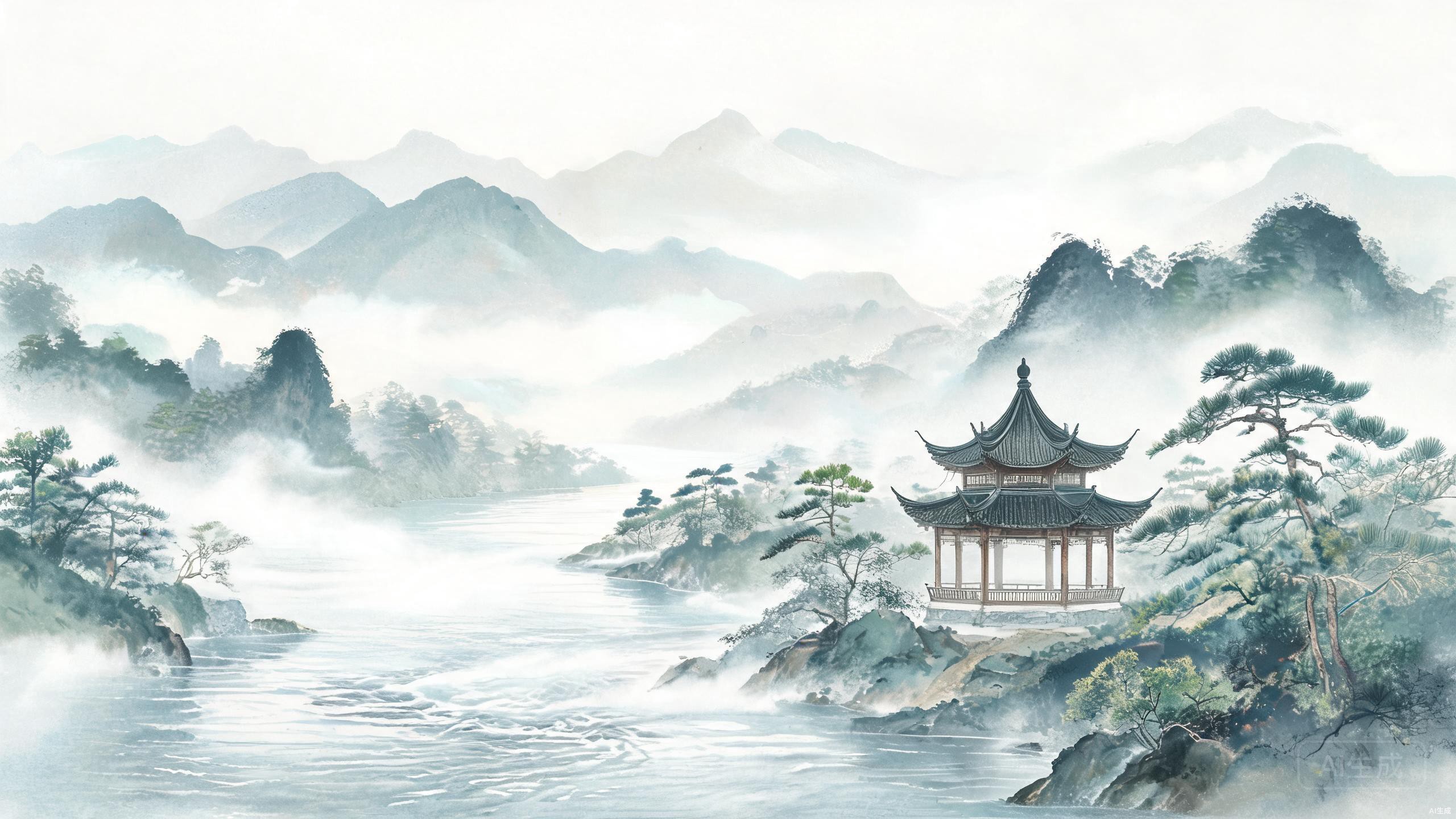
Cultural Context: In classical Feng Shui, the concept of "Facing Mountain and Desk Mountain" (朝案) refers to the landscape features visible from a grave. The Facing Mountain (朝山) is the distant peak the grave looks toward, while the Desk Mountain (案山) is the closer hill that serves as a symbolic "desk" or protective screen. The ideal grave sees gentle mountains in front and at the sides, with the most auspicious Qi channeled through this arrangement.
Maintenance of the Cremation Urn
The cremation urn requires regular maintenance to keep it clean and intact. When cleaning, use a soft cloth and avoid harsh chemical cleaners. If the urn becomes damaged, repair or replace it promptly.
Taboos in Cremation Urn Placement
Avoid Instability: The urn must sit firmly and level — never tilted, rocking, or wobbling.
Avoid Inauspicious Direction: The urn should face a favorable direction, avoiding any Sha Qi (harmful energy) orientations.
Avoid Cluttered Surroundings: The area around the urn should be tidy and well-kept, never chaotic or neglected.
Avoid Moisture and Contamination: The urn must remain dry and clean — never damp, stained, or polluted.
The placement of the cremation urn is deeply connected to Feng Shui. Correct placement creates a peaceful resting environment for the departed while bringing blessings to descendants. When selecting and placing an urn, one should carefully consider material, color, position, and direction — making a thoughtful and comprehensive choice.
Practical Considerations in Application
In actual Feng Shui practice, one must integrate theory with the specific geographical environment and real-world circumstances. Rigid adherence to textbook formulas should be avoided, as should over-reliance on any single method. A skilled Feng Shui practitioner combines theory with practice, tradition with modernity — a comprehensive professional grounded in multiple disciplines.
Several key principles should guide the process:
- Respect Nature: Never forcibly alter the natural environment
- Make Holistic Judgments: Never base decisions on a single factor alone
- Consider Practical Feasibility: Theoretically "perfect" arrangements are not always practically viable
A Modern Scientific Perspective
From a modern scientific standpoint, many traditional Feng Shui principles have reasonable empirical foundations. For example, choosing a site with a mountain behind and water in front allows the mountain to block cold winds while the water moderates temperature — creating a beneficial microclimate. Choosing well-drained high ground prevents moisture accumulation and protects the integrity of the burial site.
These Feng Shui principles are, in essence, the accumulated wisdom of ancient peoples' long observation of the natural environment — embodying the philosophy of harmony between humanity and nature. In modern society, we should approach this traditional wisdom with a scientific attitude, inheriting and advancing its valuable insights.
Preservation and Evolution of Feng Shui Culture
Feng Shui is a vital component of traditional Chinese culture and retains significant cultural value in modern society. It represents not only the ancient understanding of the natural environment but also the crystallization of Chinese civilizational wisdom. Studying Feng Shui helps us better appreciate the essence of Chinese traditional culture.
In preserving this tradition, we must also evolve with the times — integrating the rational core of classical Feng Shui with modern science, allowing this ancient wisdom to flourish with renewed vitality in the contemporary era.
Related Articles
- [[../02-家居风水/36-镜子风水摆放.md|Mirror Feng Shui Placement: Reflecting Sha Qi and Attracting Wealth]]
- [[../02-家居风水/22-沙发摆放风水.md|Sofa Placement Feng Shui: Backing Mountain and Facing Door for the Living Room]]
- [[../03-财运风水/16-聚宝盆风水.md|Wealth Bowl Feng Shui: The Powerful Tool for Gathering and Preserving Prosperity]]
- [[../03-财运风水/15-财神爷摆放.md|God of Wealth Placement: Directions for Civil and Martial Wealth Deities]]