Eco-Friendly Burial Feng Shui: Tree Burial, Flower Burial, and Green Burial Guide
With growing environmental awareness and increasingly scarce land resources, eco-friendly burial methods such as Tree Burial (树葬), Flower Burial (花葬), and Lawn Burial (草坪葬) are gaining wider attention
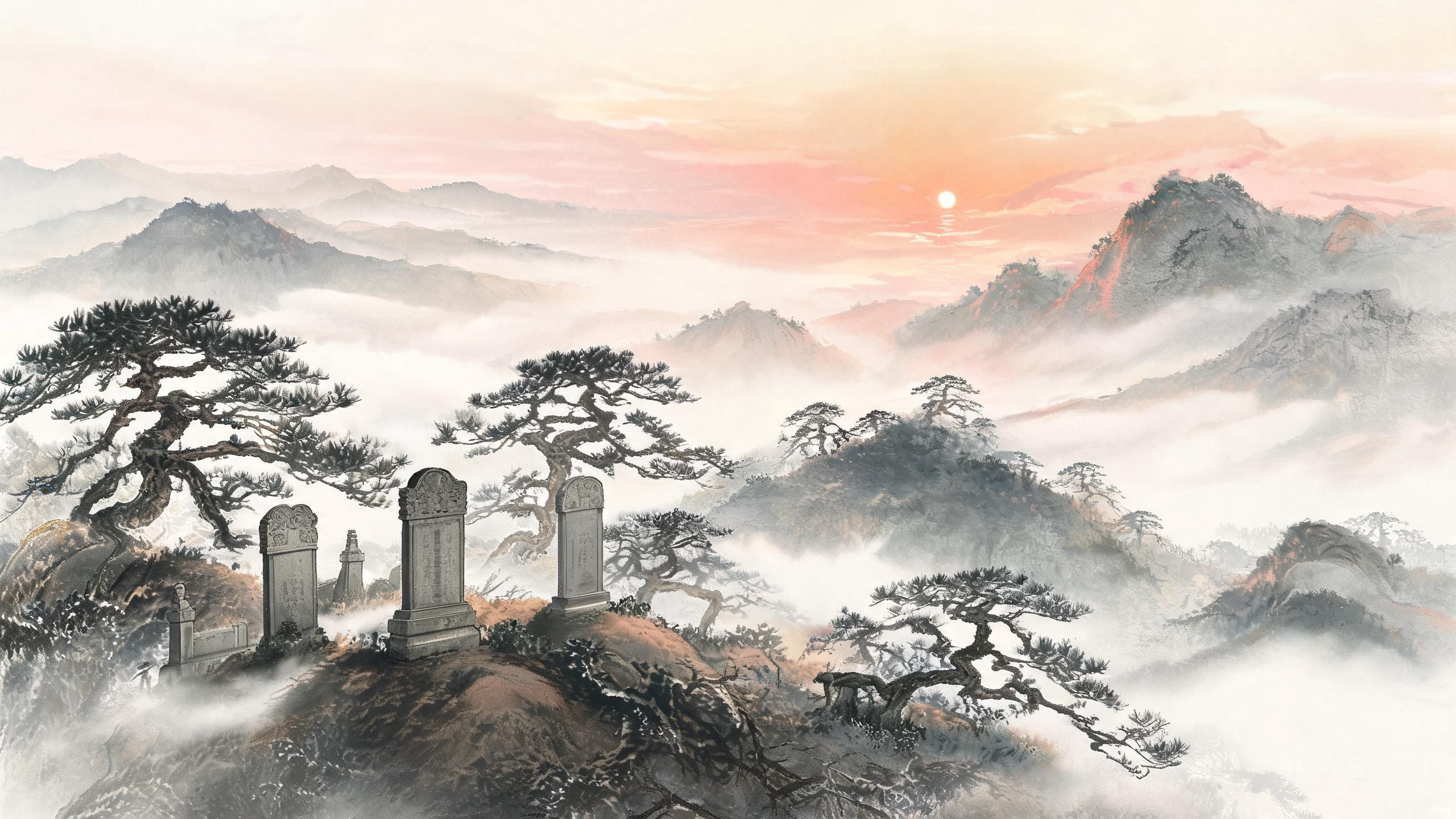
The Rise of Eco-Friendly Burials
With growing environmental awareness and increasingly scarce land resources, eco-friendly burial methods such as Tree Burial (树葬), Flower Burial (花葬), and Lawn Burial (草坪葬) are gaining wider attention and acceptance. These new approaches depart from traditional Chinese soil burial and present fresh challenges and considerations for Yin Dwelling Feng Shui (阴宅风水) theory.
The core philosophy of eco-friendly burial is a return to nature — merging the ashes of the departed with the natural world. This conserves land resources while protecting the environment. Strikingly, this philosophy echoes the ancient Chinese concept of Unity of Heaven and Humanity (天人合一, tian ren he yi).
Cultural Context: In traditional Chinese metaphysics, death is not an ending but a transformation. The deceased remain connected to descendants through what practitioners call Bloodline Resonance (血脉感应). Eco-friendly burials honor this belief by allowing the departed to nourish new life — a tree, a flower, or a stretch of grass — creating an energetic bond between generations.
Feng Shui Considerations for Tree Burial
Tree Burial involves placing the ashes of the deceased beneath a tree or within a memorial grove, allowing the tree to absorb the nutrients and create a living continuation of life.
Choosing the Right Tree
The tree is the most critical element in Tree Burial. When selecting a species, choose trees with:
- Upright, symmetrical form — avoid trees with twisted, leaning, or oddly shaped trunks
- Strong vitality and lush foliage — the tree should look robust and thriving
- No thorns or sharp features — thorny species are considered inauspicious
Cultural Context: In Feng Shui, trees function as "Sand" (砂, sha) — protective surrounding features that block harsh winds and gather Qi. This is the principle of Storing Wind and Gathering Qi (藏风聚气, cang feng ju qi), one of the foundational concepts of Feng Shui theory.
Location and Orientation
Choose a site that receives ample sunlight and good airflow. Avoid locations that are:
- Dark and damp for prolonged periods
- Prone to waterlogging
- Located in cold, stagnant corners
The orientation of the tree should harmonize with the surrounding environment rather than conflict with it.
The Living Symbolism of Tree Burial
A unique advantage of Tree Burial is the living, growing nature of the tree itself. As years pass, the tree grows stronger and larger — symbolizing the continuation of life and the prosperity of the family. This vital, ever-renewing energy aligns perfectly with the traditional Feng Shui pursuit of Vital Qi (Sheng Qi, 生气) — the nourishing life force that sustains all living things.
Quick Tips:
- Pine, cypress, and ginkgo are traditional choices in Chinese Feng Shui — they symbolize longevity and steadfastness
- Avoid weeping willow near burial sites, as its drooping form is associated with sadness in Chinese culture
- Ensure the tree species suits your local climate so it thrives for generations
Feng Shui Considerations for Flower Burial
Flower Burial involves placing ashes within a flower bed or memorial garden, integrating the departed with flowering plants. These areas are typically designed to be beautiful and serene.
Selecting Auspicious Flowers
The flowers you choose significantly influence the energy of the site. Opt for varieties with:
- Soft, harmonious colors — avoid overly vivid, aggressive hues
- Graceful, balanced forms — avoid flowers with strange or unsettling shapes
- Long blooming seasons — they provide sustained beauty and energy
Cultural Context: In Feng Shui, the color and form of plants directly shape the Qi of a space. Warm colors generate Fire element energy associated with activity and passion; cool colors generate Water element energy associated with calm and flow. Selecting harmonious hues creates gentle, nourishing Qi for the departed.
Layout and Design Principles
A well-designed Flower Burial area should have visual layering — varied heights, balanced density, and rhythmic spacing. Avoid layouts that feel cramped or, conversely, too sparse and lonely.
Best practices for flower bed shape:
- Curved or circular forms are ideal
- Avoid sharp corners or harsh straight lines that create cutting energy
- Maintain clear, gentle pathways for visitor movement
Seasonal Energy Shifts
A beautiful feature of Flower Burial is the constant transformation of the space. Different flowers bloom in different seasons, bringing ever-changing Qi to the area — a reminder of life's natural cycles of renewal.
Quick Tip: Plant a mix of seasonal bloomers so the memorial area always has living color. White lilies (purity), chrysanthemums (longevity), and plum blossoms (resilience) are traditional choices that carry strong symbolic meaning in Chinese culture.
Feng Shui Considerations for Lawn Burial
Lawn Burial involves placing ashes beneath a manicured lawn, with the surface seamlessly integrated into the surrounding grass. These areas are typically open, flat, and visually expansive.
Site Selection
Choose a location with:
- Flat, stable terrain — avoid steep slopes
- Good drainage — low-lying, waterlogged areas are unsuitable
- Open exposure to sunlight — bright, airy environments are preferable
- Clear sightlines — avoid cramped, enclosed corners
Layout and Memorial Markers
Lawn Burial areas should feel orderly and serene. Tombstones or memorial markers should be:
- Uniform in style and size for a harmonious appearance
- Spaced evenly to avoid crowding
- Low-profile to maintain the natural landscape feeling
Adding scattered trees and flowers enhances visual depth and beauty without disrupting the open, peaceful character of the site.
Quick Tips:
- A small, unobtrusive marker stone is preferable to an imposing monument — it keeps the energy gentle and grounded
- Avoid placing markers in straight rows that point directly at roads or pathways (Road Rushing Sha)
- Soft ground covers and creeping plants soften the energy and add a sense of natural abundance
A Comprehensive Feng Shui Evaluation of Eco-Friendly Burials
From a Feng Shui perspective, eco-friendly burial methods share the same essential principles as traditional soil burial — both pursue the goals of Storing Wind and Gathering Qi (藏风聚气) and Unity of Heaven and Humanity (天人合一). What distinguishes eco-friendly burials is their deeper commitment to environmental stewardship and sustainable practice.
Feng Shui Advantages of Eco-Friendly Burials
| Advantage | Explanation |
|---|---|
| Beautiful natural environment | Lush vegetation creates fresh, vibrant Qi |
| Strong life force | Living plants generate abundant Sheng Qi (vital energy) |
| Deep harmony with nature | Greater human-nature integration than conventional burial |
| Sustainable energy | The site grows more vital with each passing year |
Key Considerations When Choosing Eco-Friendly Burial
- Select a legally sanctioned eco-friendly burial site — ensure all permits and documentation are complete
- Understand specific regulations — each facility has its own rules regarding markers, plantings, and ceremonies
- Respect the natural character of the site — avoid excessive artificial modification that disrupts the natural landscape
Practical Application Guidelines
In actual Feng Shui practice, one must adapt theory to the specific geography and real-world conditions at hand. Rigidly applying textbook formulas leads to poor outcomes, just as over-relying on a single method does. An excellent Feng Shui practitioner combines theory with practice and tradition with modernity.
Three Operating Principles
- Respect nature above all — never force radical changes on a natural environment
- Apply comprehensive judgment — never base decisions on a single factor alone
- Consider real-world feasibility — theoretical perfection does not always equal practical viability
How to Apply This Wisdom
If you are considering an eco-friendly burial for a loved one:
- Visit the site in person — walk the grounds at different times of day to feel the energy
- Consult with a qualified Feng Shui practitioner — they can assess the specific Qi patterns of the location
- Check the long-term plan — ensure the site will be maintained beautifully for decades to come
- Honor family traditions — blend modern eco-conscious choices with meaningful ancestral customs
A Modern Scientific Perspective
Many traditional Feng Shui principles align remarkably well with modern environmental science.
Example 1 — Backed by mountains, facing water: Choosing a site with a mountain behind and water in front creates a sheltered microclimate. The mountain blocks cold winter winds while the water moderates temperature extremes — exactly what Feng Shui masters prescribed centuries ago.
Example 2 — Elevated, well-drained ground: Selecting high ground with good drainage prevents moisture damage to remains and memorial structures — a practical benefit that ancient practitioners clearly understood.
Cultural Context: Feng Shui principles are essentially the accumulated wisdom of generations observing how natural environments affect human wellbeing. Modern fields like environmental psychology, landscape architecture, and biometeorology increasingly validate what Chinese geomancers knew intuitively — that where we live, work, and rest profoundly shapes our physical and emotional health.
These time-tested principles reflect a profound wisdom: humans thrive in harmony with nature, not in opposition to it.
The Cultural Heritage and Evolution of Feng Shui
Feng Shui (风水, feng shui) is a vital component of traditional Chinese culture, and its value extends far beyond its practical applications. It represents the accumulated observation of natural environments by ancient peoples and stands as one of the crystallized expressions of Chinese civilizational wisdom.
Why Feng Shui Still Matters Today
- It teaches us to read the language of the land
- It connects modern people to ancestral wisdom
- It offers practical tools for creating harmony in our living and resting spaces
- It bridges philosophy, art, and environmental science
The Cultural Significance of Eco-Friendly Burials
Tree Burial, Flower Burial, and similar eco-friendly methods reflect modern humanity's deepening commitment to environmental stewardship. These practices:
- Conserve precious land resources
- Protect ecosystems for future generations
- Honor a growing desire for simplicity and natural living
- Maintain the spiritual connection between the departed and the living world
Cultural Context: In Chinese metaphysics, the deceased continue to influence descendants through Bloodline Resonance (血脉感应). Eco-friendly burials strengthen this connection in a uniquely modern way — by allowing the departed to literally nourish new life. The tree, the flower, and the grass become living monuments, continuously generating fresh Qi for the family.
From a Feng Shui standpoint, although eco-friendly burials differ in form from traditional methods, their core principles remain fully applicable. Selecting a location with beautiful surroundings and thriving vegetation still aligns with the timeless Feng Shui pursuit of natural harmony.
The rise of eco-friendly burials represents Feng Shui culture evolving with the times — and reflects modern society's commitment to sustainable development.
The Enduring Cultural Value of Feng Shui
Feng Shui culture carries the profound Chinese understanding of nature and life. It is a precious cultural heritage passed down from our ancestors.
In today's technologically advanced world, the values embedded in Feng Shui — respect for nature and the pursuit of harmony — remain powerfully relevant. By studying Feng Shui, we:
- Deepen our understanding of traditional Chinese culture
- Access practical wisdom for creating peaceful living spaces
- Carry forward ancestral knowledge into modern life
- Cultivate a rational, scientific perspective that honors tradition while embracing progress
Whether we are arranging a burial site, designing a home, or simply seeking greater harmony in daily life, Feng Shui offers tools for thoughtful, grounded decision-making. The key is to approach it with an open mind, a scientific attitude, and respect for the wisdom of the ages.
Related Articles
- [[../05-命理与运势/09-面相断Yin Dwelling风水.md|Face Reading for Yin Dwelling Feng Shui: Nose Features and Facial Indicators of Grave Energy]]
- [[../07-风水故事/58-风水与丧葬.md|Feng Shui and Funerals: The Ancient Tradition of Yin Dwelling Feng Shui]]
- [[../07-风水故事/01-曾国藩葬地择选记.md|Zeng Guofan's Burial Site Selection: The Feng Shui Wisdom of "Heaven Dislikes Cunning"]]
- [[../08-百科问答库/50-墓碑有什么风水讲究?墓碑朝向怎么定?.md|Feng Shui Guidelines for Tombstones: How to Determine the Correct Direction]]