Feng Shui After Cremation: A Complete Guide to Handling Ashes for Lucky Energy and Harmony
As society evolves and land resources become increasingly scarce, cremation has become the dominant burial method in the modern world. By transforming the body into ashes, cremation dramatically reduc
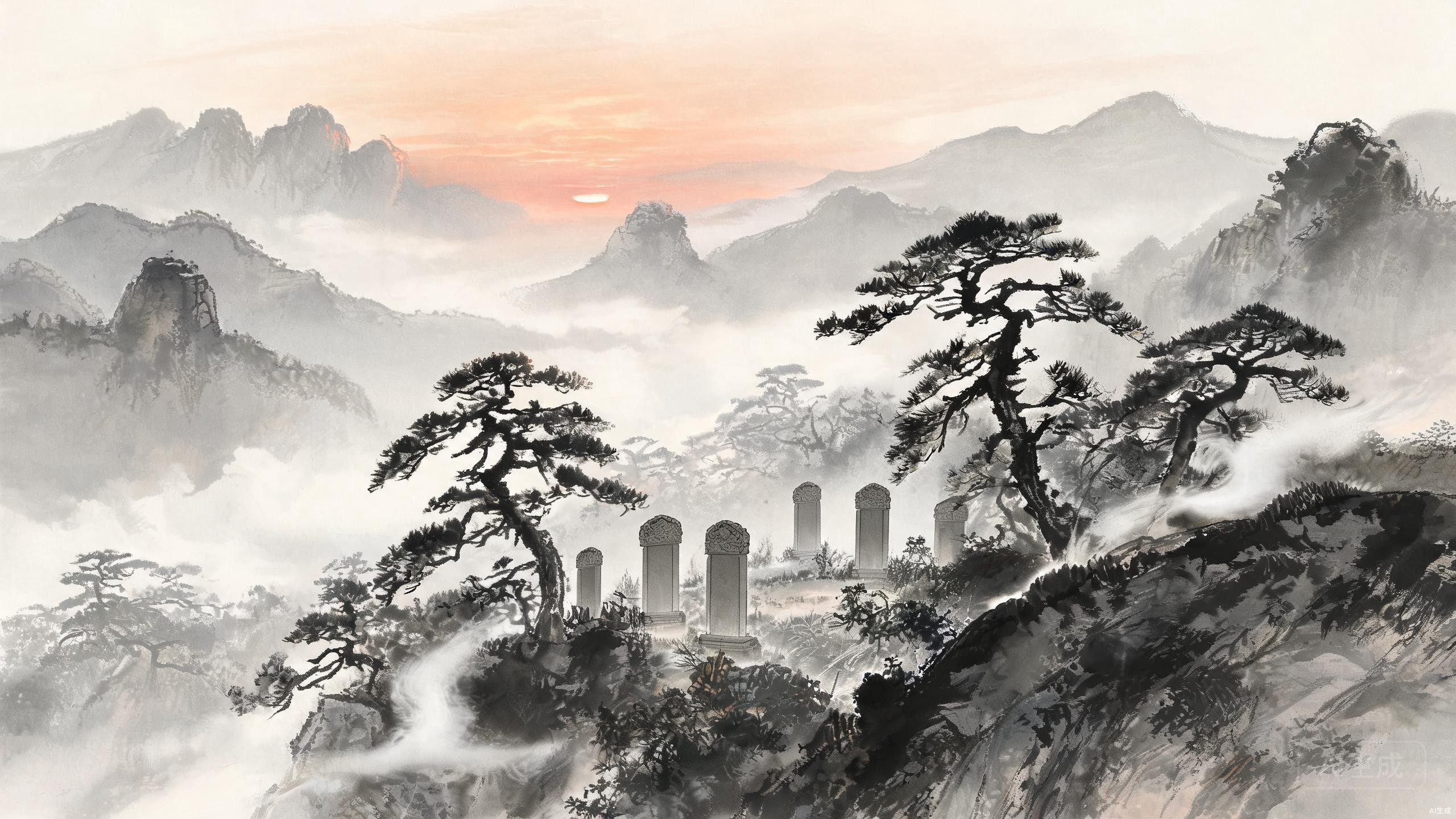
The Rise of Cremation and Its Feng Shui Challenges
As society evolves and land resources become increasingly scarce, cremation has become the dominant burial method in the modern world. By transforming the body into ashes, cremation dramatically reduces the land area required for memorial arrangements.
However, this shift presents significant challenges to traditional Feng Shui theory. Classical Yin Dwelling Feng Shui (阴宅风水, yīn zhái fēng shuǐ) was built upon the foundation of earth burial, emphasizing the direct fusion of the deceased's body with Earth Qi (地气). Cremation fundamentally alters this process, requiring new frameworks and methods to understand and address the energy dynamics at play.
Cultural Context: In traditional Chinese metaphysics, the physical body was considered a vessel that channels Vital Qi (生气) between the departed and the earth. Cremation changes this relationship — practitioners must now work with the ashes as the new energetic anchor point while preserving the core principle of Storing Wind and Gathering Qi (藏风聚气).
Core Principles for Feng Shui After Cremation
Preserving the Ashes
The ashes produced through cremation represent the essence of the deceased's physical form. In Feng Shui, ashes are regarded as the carrier of the departed's Qi field and must be preserved and handled with great care.
Ashes should be kept in a dry, clean environment, protected from moisture and contamination. The ideal urn material is natural stone or ceramic — metal and plastic should be avoided, as they are believed to disrupt the free flow of Qi.
Placement Options for the Ashes
Modern families have several options for placing cremated remains:
- Cemetery plot in a public memorial park
- Columbarium (a dedicated building for urn storage)
- Home shrine for private veneration
- Eco-friendly alternatives such as tree burial or flower burial
Each placement method carries its own Feng Shui considerations. Regardless of the choice, the guiding principle remains the same: honor the deceased with dignity and maintain a clean, respectful environment.
Feng Shui Guidelines for Ash Placement
Cemetery Placement
Placing ashes in a cemetery plot is the most traditional option. When selecting a location within a cemetery, follow the foundational principles of Yin Dwelling Feng Shui:
- Choose a site with higher elevation and good drainage
- Select a position with solid backing (a hill or elevated terrain) and an open, expansive view in front
- Stay away from pollution sources and excessive noise
Cultural Context: The principle of "Back to Mountain Facing Water" (背山面水) — one of the most enduring formulas in Feng Shui — applies equally to cremated remains. The hill provides protective shelter, while the open vista allows Qi to gather and flow gently.
The urn itself should be positioned at the center of the plot, with its facing aligned to the headstone. Personal items beloved by the deceased may be placed around the urn as companion offerings.
Columbarium Placement
A columbarium is a building specifically designed to house cremation urns. When selecting a niche within a columbarium, observe these key Feng Shui guidelines:
- Choose a position with good ventilation and ample natural light
- Avoid niches near doorways or corridors where energy rushes chaotically
- Avoid direct exposure to air conditioning vents or fans, which can scatter Qi
Urns within the columbarium should be arranged in orderly rows with unified facing directions, creating a harmonious collective energy field.
Home Shrine Placement
In some regions and family traditions, keeping the urn at home for veneration remains a meaningful practice. When placing an urn in a residence, observe these important Feng Shui guidelines:
- Place the urn in a quiet, clean room — avoid the living room or bedroom
- Position the urn slightly above eye level as a sign of respect
- Keep the space in front of the urn open and unobstructed
Regular worship, cleaning, and maintenance are essential to preserve the dignity and energetic integrity of a home shrine.
How to Apply This at Home
- Choose the right room: A dedicated study, library, or ancestor room is ideal — avoid high-traffic or rest spaces
- Set the proper height: Use a sturdy altar table or shelf that places the urn above the eye line of household members
- Maintain clarity: Keep the area in front of the urn open and uncluttered to allow Qi to gather freely
- Establish a ritual routine: Light incense, offer fresh flowers, and clean the space on a consistent schedule
Quick Tips:
- Never place the home shrine in a bathroom, kitchen, or storage area — these spaces carry incompatible energies
- Avoid positioning the urn directly beneath a ceiling beam, which creates Beam Pressure Sha (梁压煞)
- A small offering of fresh water and seasonal flowers keeps the energy vibrant and welcoming
Memorial Rituals After Cremation
Timing of Memorial Offerings
The timing of memorial observances after cremation closely follows the traditions established for earth burial. Common dates include:
- Qingming Festival (清明节) — the spring tomb-sweeping festival
- Double Ninth Festival (重阳节) — the autumn ancestor-honoring festival
- The deceased's death anniversary
- Lunar New Year and other major family holidays
Ritual Procedures
The ritual procedure mirrors traditional earth burial practices and typically includes:
- Lighting incense to invite ancestral presence
- Burning paper offerings as symbolic gifts
- Presenting food offerings on the altar
- Reading memorial texts to honor the life lived
Throughout the ritual, maintain a solemn and reverent atmosphere.
The Relationship Between Cremation and Feng Shui
Although cremation transforms the physical form of burial, it does not alter the fundamental principles of Feng Shui. Whether earth burial or cremation, the goal remains the same: achieving Storing Wind and Gathering Qi (藏风聚气) and the Unity of Heaven and Humanity (天人合一).
Cremation offers significant advantages — it conserves land, supports environmental hygiene, and aligns with modern sustainable development values. In Feng Shui practice, we must adapt classic principles to the realities of cremation, helping families find suitable resting places that honor the departed.
Handling Feng Shui after cremation represents a new chapter in the evolution of Yin Dwelling Feng Shui. By understanding and applying the correct principles, families can create a beneficial resting environment for the departed and continue to receive blessings for generations to come.
Practical Considerations in Application
In real-world Feng Shui practice, theory must be adapted to the specific geography and circumstances of each site. Rigid adherence to textbook formulas should be avoided, and no single method should be relied upon exclusively. A skilled Feng Shui practitioner combines theoretical knowledge with practical experience, blending tradition with modernity.
During the assessment process, keep these principles in mind:
- Respect nature: Never forcefully alter the natural environment
- Make holistic judgments: Avoid decisions based on a single factor
- Prioritize practical feasibility: Theoretical perfection does not always translate to real-world viability
A Modern Scientific Perspective
From a modern scientific standpoint, many traditional Feng Shui principles contain surprisingly rational logic. For example:
- Choosing a site with mountains behind and water in front uses natural topography to block cold winds while regulating temperature through water's thermal properties — creating a favorable microclimate
- Selecting elevated ground with good drainage prevents moisture accumulation and protects the integrity of the burial site
These principles reflect the accumulated wisdom of generations who carefully observed natural patterns. They embody the timeless intelligence of living in harmony with nature. In the modern era, we should approach this heritage with a scientific mindset — preserving its wisdom while adapting it to contemporary life.
Preserving and Evolving Feng Shui Culture
As a vital component of Chinese traditional culture, Feng Shui continues to hold significant cultural value in modern society. It represents not only the ancient understanding of natural environments but also the broader wisdom of Chinese civilization. Studying Feng Shui helps us better grasp the essence of traditional Chinese thought.
Even as we preserve this heritage, we must evolve with the times — integrating the rational core of traditional Feng Shui with modern science, allowing this ancient art to flourish in a new era.
Cremation vs. Earth Burial: A Feng Shui Comparison
Cremation and earth burial are two fundamentally different approaches, each carrying distinct meanings in Feng Shui. Traditional earth burial emphasizes the fusion of the body with Earth Qi, transmitting Vital Qi through the preservation of the remains. Cremation transforms the body into ashes, fundamentally changing both the form and the preservation method.
From a Feng Shui perspective, cremation restructures the traditional configuration: the urn replaces the coffin, the columbarium replaces the cemetery plot. Yet the core principle — selecting an environment with auspicious Qi — remains unchanged. Ash placement after cremation still requires careful attention to layout, position, and direction.
Related Articles
- [[../05-命理与运势/09-面相断Yin Dwelling风水.md|Face Reading for Yin Dwelling Feng Shui: Reading Burial Sites Through the Nose]]
- [[../07-风水故事/58-风水与丧葬.md|Feng Shui and Funeral Customs: The Ancient Tradition of Yin Dwelling Feng Shui]]
- [[../07-风水故事/01-曾国藩葬地择选记.md|Zeng Guofan's Burial Site Selection: The Feng Shui Wisdom of "Heaven Detests Cleverness"]]
- [[../08-百科问答库/50-墓碑有什么风水讲究?墓碑朝向怎么定?.md|Headstone Feng Shui: What Are the Rules and How to Choose the Right Direction?]]