Feng Shui Considerations for Tomb Relocation: A Complete Guide to Grave Moving Traditions
Tomb relocation is a major event in Yin Dwelling Feng Shui (阴宅风水, yin zhai feng shui), involving the physical movement of the deceased and a transformation of the original Feng Shui layout. In Feng Sh
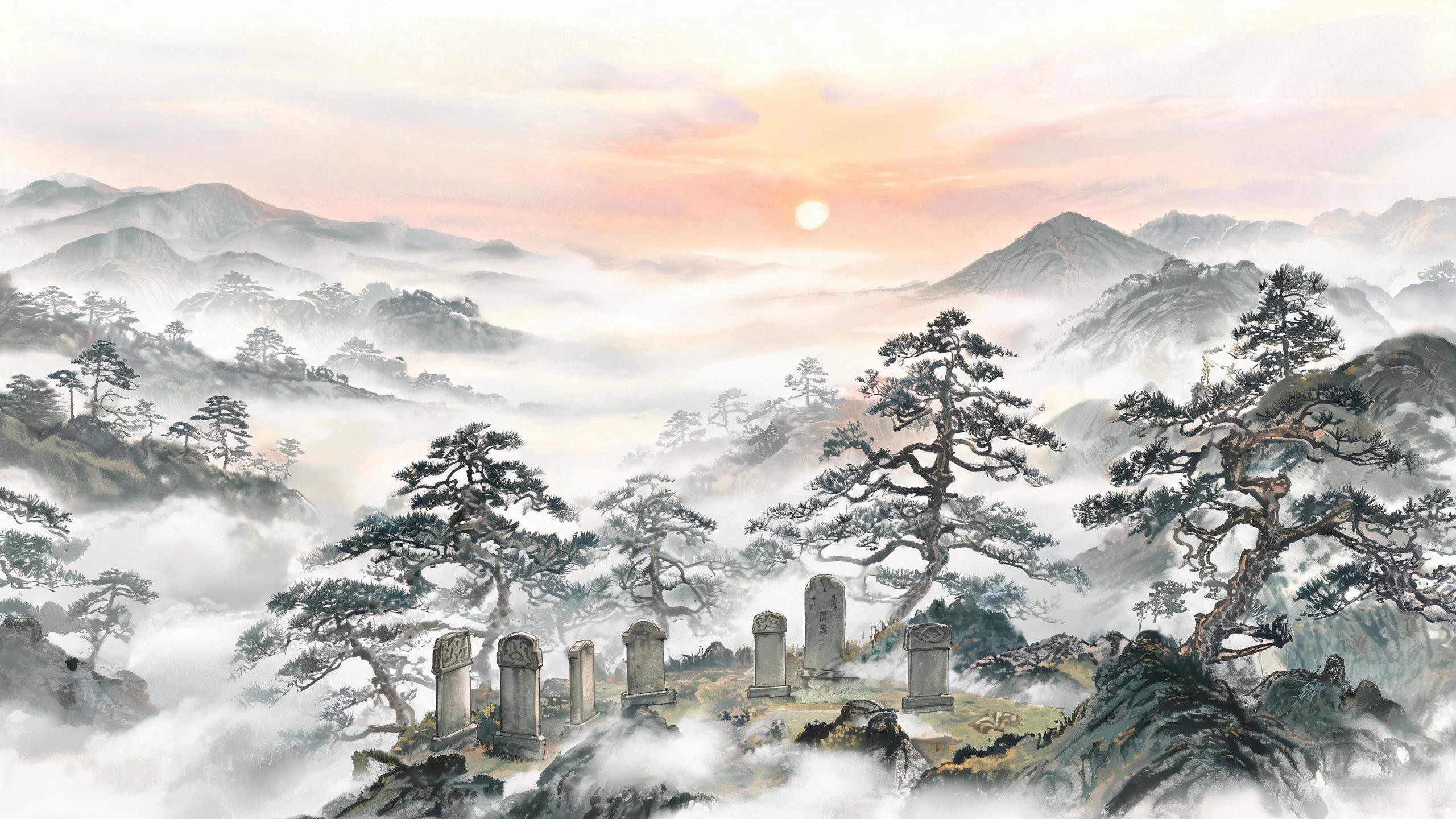
The Feng Shui Sensitivity of Tomb Relocation
Tomb relocation is a major event in Yin Dwelling Feng Shui (阴宅风水, yin zhai feng shui), involving the physical movement of the deceased and a transformation of the original Feng Shui layout. In Feng Shui practice, relocating a grave is considered a high-risk activity — if handled improperly, it can negatively affect both the deceased and their descendants. This is why understanding the Feng Shui considerations for tomb relocation is so critically important.
Cultural Context: In Chinese tradition, the ancestral grave is believed to maintain a Bloodline Resonance (血脉感应, xue mai gan ying) with living family members. The grave's Qi directly influences the fortune, health, and prosperity of descendants across generations — which is why any disturbance to this arrangement must be approached with great reverence and care.
Pre-Relocation Feng Shui Assessment
Evaluating the Original Grave Site
Before deciding to relocate a tomb, you must first conduct a thorough Feng Shui assessment of the original site. The evaluation should cover: whether the Dragon Vein (龙脉, long mai) has been damaged, whether the protective surrounding hills (Sand/砂, sha) remain intact, whether nearby water sources have changed, and whether the original Sitting and Facing (坐向, zuo xiang) direction is still auspicious.
If the original site only shows minor Feng Shui problems, adjustments and remedies may be sufficient — relocation is not always necessary. Relocation should only be considered when the original site suffers severe Feng Shui problems, or when the surrounding environment has fundamentally changed.
Evaluating the New Grave Site
Once relocation is confirmed, a strict Feng Shui assessment of the new site must be performed. An ideal new grave should possess excellent Feng Shui conditions: a vibrant Dragon Vein (long mai), an accurate Feng Shui Point (穴, xue — also called Acupoint), harmonious surrounding Sand (砂, sha), embracing water features, and an auspicious facing direction.
Quick Tips:
- Never rush the selection of a new site — ancient practitioners often spent months or even years evaluating candidates
- Consult multiple experienced Feng Shui practitioners if possible, especially for ancestral graves that affect entire family lineages
- Document the original site's features (photos, measurements, compass readings) before any work begins
Choosing the Right Time for Relocation
The Importance of Date Selection
The timing of tomb relocation is absolutely crucial. In Feng Shui, there is a saying: "Even without finding the true Dragon, if you catch favorable sun and moon, your family shall prosper" (不得真龙得日月,也应富贵旺人家). This illustrates just how vital timing truly is. A well-chosen relocation date can compensate for some minor Feng Shui deficiencies.
Standards for Selecting an Auspicious Day
When selecting an auspicious day for tomb relocation, follow these standards:
- Avoid inauspicious days: Stay away from Year Breaker (岁破), Month Breaker (月破), Three Sha (三煞), and Five Yellow Sha (五黄煞) days
- Match life charts: Select dates harmonious with the BaZi (八字, Eight Characters) of both the deceased and descendants
- Choose lucky stars: Prefer days when auspicious deities like Heaven Virtue (天德), Moon Virtue (月德), and Heaven Pardon (天赦) hold office
- Favorable weather: Choose clear, sunny days for the ceremony
Ceremony Requirements During Relocation
The Hour for Opening the Grave
The timing of opening the grave is critically important. Generally, the grave should be opened after sunrise and before sunset — never at night or during rainy weather. The specific hour should be determined based on the deceased's BaZi and the auspicious hours of that particular day.
Direction for Opening the Grave
When opening the grave, pay careful attention to the digging direction. As a general rule, begin excavation from the left side of the gravestone and proceed in a clockwise direction. Avoid digging directly in front of or directly behind the gravestone.
Handling the Remains
During relocation, the remains must be handled with exceptional care. The bones should be removed completely and intact — nothing should be missing or damaged. If portions of the remains have decayed, handle them delicately and never discard them carelessly.
Cultural Context: In Chinese funerary tradition, every piece of the deceased's remains is considered sacred. Even fragments carry spiritual significance and must be preserved and reburied together — losing or disrespecting any part is believed to bring misfortune to the entire family line.
Taboos During Tomb Relocation
Avoiding Direct Sunlight
During relocation, the remains or urn must never be exposed to direct sunlight. Once removed from the grave, immediately cover them with black cloth or red cloth to shield them from the sun's rays.
Avoiding Rainwater
The remains or urn must also be kept dry. If relocation must occur during rainy weather, erect a canopy or shelter to ensure no rainwater touches the remains.
Avoiding Ground Contact
During the entire process, the remains or urn must never touch the ground directly. After extraction, place them on a dedicated rack or have a person carry them until they are properly installed in the new grave.
How to Honor These Sacred Taboos
- Prepare protective coverings in advance: Have black and red cloths, a canopy, and a wooden rack ready before opening the grave
- Assign dedicated bearers: Choose calm, respectful family members to handle the remains — they should remain focused and silent
- Maintain a reverent atmosphere: Keep noise, laughter, and casual conversation away from the work area
- Move with deliberation: Every step should be slow, intentional, and dignified
Feng Shui Adjustments After Relocation
Handling the Old Grave
After relocation is complete, the old grave must be properly addressed. The original pit should be filled in and covered with lime or plant ash to neutralize the old energy field. The gravestone may be removed or destroyed, but appropriate ceremonies should accompany this action.
Placement in the New Grave
When placing the remains in the new grave, observe these key Feng Shui principles: the placement position must be accurate, the direction must be correct, and the depth must be appropriate. After installation, a worship ceremony should be held to inform the deceased that relocation has been completed.
Observation by Descendants
After relocation, descendants should carefully observe changes in the family's fortune. If the family's circumstances noticeably improve, the relocation has produced positive results. If no improvement occurs — or if anomalies appear — consult a professional Feng Shui practitioner promptly for diagnosis and adjustment.
Quick Tips:
- Keep a journal recording family events (health, career, relationships) for the first year after relocation
- Visit the new grave regularly — frequent, respectful visits strengthen the energetic connection
- If unusual problems arise (sudden illness, business losses), don't wait — seek professional guidance early
Relocating a tomb is a profoundly serious matter that demands careful attention. Throughout the process, strictly observe all Feng Shui considerations to ensure a smooth transition and lasting positive results.
Practical Application Considerations
In actual Feng Shui practice, you must combine specific geographic environments and real-world circumstances — applying theory flexibly rather than rigidly. Never copy textbook knowledge mechanically, and never depend excessively on any single method. An excellent Feng Shui practitioner should be a well-rounded expert who unites theory with practice, and tradition with modernity.
During operations, keep these points in mind:
- Respect nature fully — never forcibly alter the natural environment
- Make comprehensive judgments — never base decisions on a single factor alone
- Consider practical feasibility — theoretical perfection does not always equal real-world viability
A Modern Scientific Perspective
From a modern scientific viewpoint, many traditional Feng Shui principles contain sound rational foundations. For example, choosing a location with a Backing Mountain (靠山) and facing water allows mountain formations to block cold winds while water surfaces moderate temperature — creating an excellent microclimate. Selecting elevated ground with good drainage prevents moisture and waterlogging, protecting the integrity of the grave structure.
Cultural Context: Modern environmental science increasingly validates what ancient Feng Shui masters observed through centuries of careful study — that site selection profoundly affects comfort, health, and longevity. What was once dismissed as superstition is now recognized as early landscape ecology.
These Feng Shui principles are, in essence, the result of ancient people's long-term observation and synthesis of natural environments — reflecting the wisdom of living in harmony with nature. In contemporary society, we should inherit and develop this traditional wisdom with a scientific attitude.
The Preservation and Evolution of Feng Shui Culture
As a vital component of Chinese traditional culture, Feng Shui retains significant cultural value in modern society. It is not only the ancients' understanding and summary of the natural environment, but also a crystallization of Chinese civilizational wisdom. Studying and understanding Feng Shui culture helps us better grasp the essence of Chinese traditional thought.
While preserving Feng Shui culture, we must also keep pace with the times — combining the rational core of traditional Feng Shui with modern science, allowing this ancient wisdom to radiate new vitality in our era.
Post-Relocation Feng Shui Tuning
Completing the relocation does not mean the work is finished forever. The new grave's Feng Shui requires a period of observation and tuning. During the first year after relocation, closely monitor the new site's Feng Shui condition and watch for any anomalies.
If problems are detected, make timely adjustments. Common adjustment methods include: modifying the gravestone's direction, planting trees to improve the environment, placing Feng Shui items, and ensuring routine maintenance to keep the surroundings clean and beautiful. Through these follow-up tuning efforts, you can ensure the new grave's Feng Shui effects are fully realized.
Related Articles
- [[../07-风水故事/58-风水与丧葬.md|Feng Shui and Funerals — The Ancient Tradition of Yin Dwelling Feng Shui]]
- [[../05-命理与运势/09-面相断Yin Dwelling风水.md|Face Reading for Yin Dwelling Feng Shui — Reading Graves Through the Nose]]
- [[../07-风水故事/01-曾国藩葬地择选记.md|Zeng Guofan's Burial Site Selection — The Feng Shui Wisdom of "Heaven Dislikes Cunning"]]
- [[../08-百科问答库/48-祖坟风水不好怎么办?如何改善?.md|What to Do When Ancestral Grave Feng Shui Is Poor: Remedies and Solutions]]