Feng Shui Guide for Urn Storage and Placement: Creating a Peaceful Resting Place
As urbanization accelerates and land resources become increasingly scarce, urn storage has emerged as an important method for housing cremated remains. This practice involves placing urns in dedicated
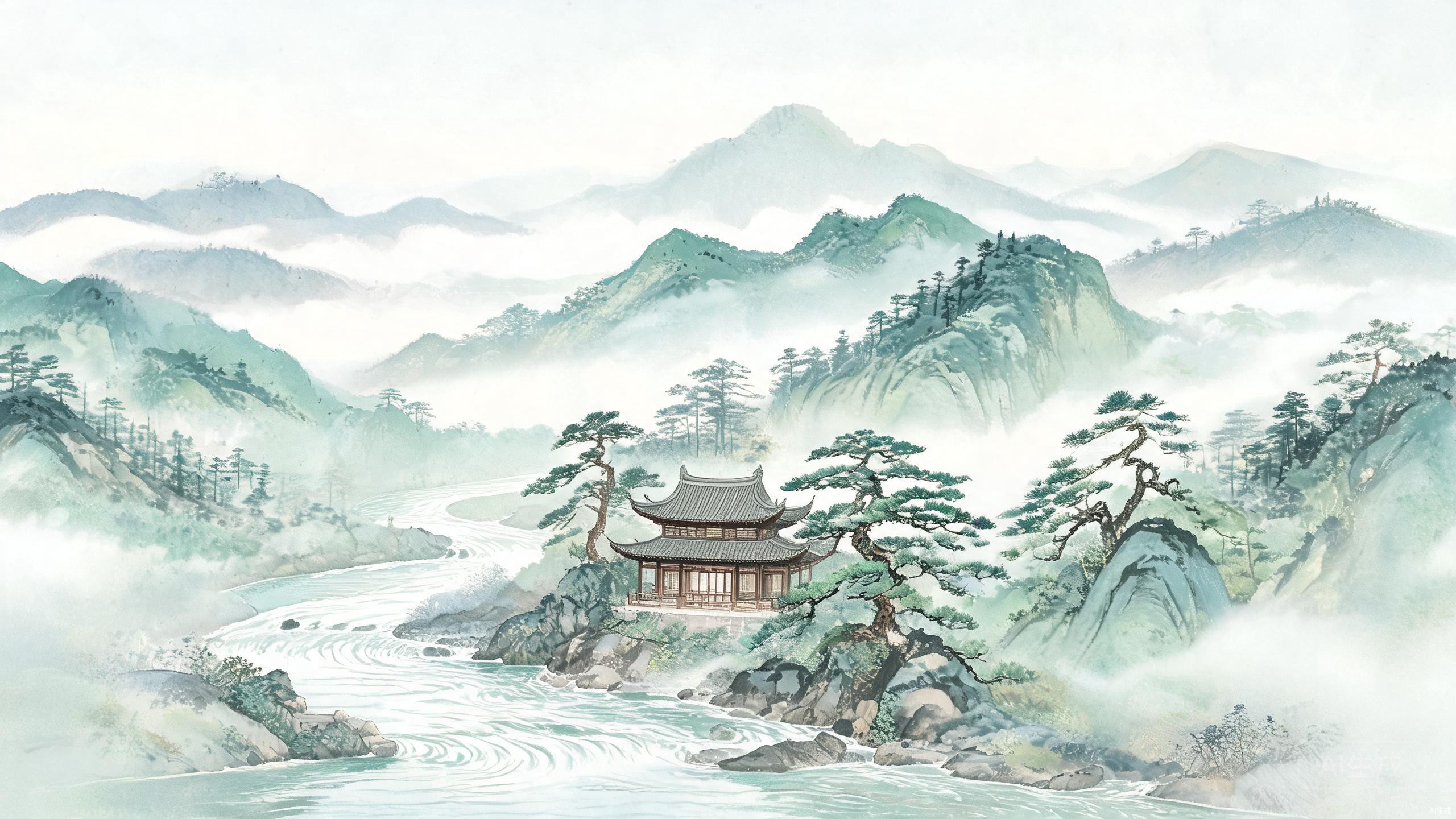
The Rise of Urn Storage
As urbanization accelerates and land resources become increasingly scarce, urn storage has emerged as an important method for housing cremated remains. This practice involves placing urns in dedicated columbariums or specialized storage facilities managed by professional institutions.
Urn storage offers several advantages: it conserves land, provides standardized management, and makes ancestor worship more convenient. However, it also presents new Feng Shui considerations, requiring thoughtful choices within limited space to achieve the best possible arrangement.
Choosing an Urn Storage Facility
Overall Feng Shui of the Facility
When selecting a columbarium or urn storage facility, the first step is evaluating its overall Feng Shui. An ideal facility should meet the following conditions:
Favorable Geographic Location: The facility should be situated on elevated terrain in a scenic environment, avoiding low-lying, damp, or polluted areas.
Sound Architectural Layout: The building should have an auspicious facing direction, sensible interior arrangement, and good ventilation and natural lighting.
Professional Management: The facility should have a dedicated management team that maintains cleanliness, order, and a respectful atmosphere.
Surrounding Environment
The environment surrounding the facility matters greatly. The area should be quiet and clean, away from sources of noise and pollution. Transportation access should be convenient to allow family members to visit and pay their respects with ease.
Cultural Context: In traditional Chinese belief, ancestors remain connected to their descendants through Bloodline Resonance (血脉感应). The resting place of one's ancestors is thought to influence the fortune and wellbeing of future generations, making the selection of a respectful and energetically balanced facility especially significant.
Choosing the Right Position Within the Facility
Floor Selection
Different floors within a columbarium carry different Feng Shui qualities. Generally speaking, the middle floors (such as the second to fourth floors) are considered optimal choices. These floors are neither too high nor too low, and their Qi field (气场) remains relatively stable.
The ground floor may be affected by dampness, while the top floor is exposed to direct sunlight and temperature fluctuations — both are less than ideal for the peaceful repose of cremated remains.
Zone Selection
Different zones within the facility also vary in Feng Shui quality. Positions near light wells or windows offer better natural lighting and ventilation. Positions away from elevators and stairwells minimize disruption from foot traffic.
When choosing a spot, avoid areas near air conditioning vents, fire safety equipment, or other installations that may disturb the Qi field with mechanical vibrations or temperature fluctuations.
Specific Position Selection
Within individual storage cabinets, position selection also carries significance. The central position is generally preferred — neither too high nor too low, neither too far left nor too far right.
Extremely high positions are inconvenient for ancestor worship rituals, while extremely low positions are vulnerable to ground moisture.
Adjusting the Direction of the Urn
Within a storage cabinet, the facing direction of the urn is typically determined by the cabinet's design, leaving limited room for personal adjustment. However, if conditions allow, the urn can be oriented toward an auspicious direction.
The front of the urn (the side bearing the photograph or inscription) should face the cabinet opening, allowing family members to view it clearly during worship.
Worship Rituals at Urn Storage Facilities
Timing of Worship
Worship timing at urn storage facilities follows the same traditions as conventional burial sites. Common occasions include the Qingming Festival, Chongyang Festival, the deceased's death anniversary, and traditional celebrations such as the Spring Festival.
Method of Worship
When worshipping at a columbarium, maintain a quiet and solemn demeanor to avoid disturbing other visitors. The ritual itself follows traditional practices, including offering incense, presenting offerings, and bowing in respect.
Worship Offerings
Offerings should be simple and uncluttered. Common items include fresh flowers, fruits, and pastries. Avoid open flames or offerings that produce heavy smoke, which may disturb others or trigger fire safety systems.
Quick Tips:
- Schedule visits during off-peak hours (mid-morning on weekdays) for a more peaceful experience
- Bring offerings in reusable containers to honor environmental consciousness
- Keep worship times brief but heartfelt — sincerity matters more than duration
Important Considerations for Urn Storage
Regular Visits
After placing an urn in storage, family members should visit regularly to express remembrance and respect. Regular visits also help identify and address any maintenance issues promptly.
Maintaining Cleanliness
Both the urn and its storage cabinet should be kept clean and wiped regularly. You may place small personal items that the deceased cherished near the urn, but be careful not to compromise the cabinet's overall tidiness.
Following Facility Rules
Most facilities have established management regulations. Family members should observe these rules, such as prohibitions on burning paper offerings or making loud noises within the premises.
Long-Term Considerations
Urn storage is a long-term arrangement that requires consideration of ongoing fees and administration. Before committing, understand the storage term and renewal procedures to prevent situations where fees lapse and the urn is handled against the family's wishes.
The Feng Shui principles applied to urn storage represent a modern adaptation of Yin Dwelling Feng Shui (阴宅风水). Though the method differs from traditional burial, thoughtful selection and arrangement can still provide a dignified and energetically harmonious resting place for the departed.
Practical Application Guidelines
In actual Feng Shui practice, theoretical knowledge must be combined with specific geographic conditions and real-world circumstances. Rigid adherence to textbook formulas is no substitute for flexible, informed judgment.
Cultural Context: Feng Shui is not a one-size-fits-all system. The most respected practitioners are those who blend classical theory with hands-on experience, adapting ancient wisdom to contemporary environments — whether a high-rise apartment, a suburban home, or a modern columbarium.
Several key principles should guide practical application:
- Respect Nature: Never attempt to forcibly alter the natural environment. Work with the land's existing features rather than against them.
- Holistic Judgment: Base decisions on multiple factors rather than any single consideration. A good location balances many elements simultaneously.
- Practical Feasibility: Theoretical perfection does not always equal practical viability. Always consider budget, accessibility, and long-term sustainability.
A Modern Scientific Perspective
From a modern scientific viewpoint, many traditional Feng Shui principles contain reasonable, observable wisdom. For example:
- Backing Mountain and Facing Water (背山面水): Mountains block cold winds while water bodies regulate temperature, creating favorable microclimates.
- Elevated, Well-Drained Sites: Choosing higher ground with good drainage prevents moisture accumulation, protecting the integrity of any burial or storage structure.
These principles represent the accumulated observations of ancient peoples who studied natural environments over millennia, embodying a philosophy of harmony between humanity and nature. In contemporary society, we can honor this heritage by approaching these traditional wisdoms with both scientific curiosity and cultural respect.
Preserving and Evolving Feng Shui Culture
As an important component of Chinese traditional culture, Feng Shui retains significant cultural value in modern society. It represents not only the ancients' understanding of natural environments but also the distilled wisdom of Chinese civilization. Studying Feng Shui deepens our appreciation of the essence of traditional Chinese thought.
Cultural Context: The concept of "Unity of Heaven and Humanity" (天人合一) lies at the heart of Chinese cosmology. Feng Shui is essentially the practical application of this philosophy — aligning human dwellings and resting places with the rhythms and patterns of the natural world.
As we pass this tradition to future generations, we should also embrace innovation — combining the sound core of classical Feng Shui with modern scientific insights, allowing this ancient art to flourish anew in the contemporary era.
Related Articles
- [[../05-命理与运势/09-面相断Yin Dwelling风水.md|Reading Yin Dwelling Feng Shui Through Face Reading — Nose Features and Facial Correspondence]]
- [[../07-风水故事/58-风水与丧葬.md|Feng Shui and Funeral Traditions — The Ancient Practice of Yin Dwelling Feng Shui]]
- [[../07-风水故事/01-曾国藩葬地择选记.md|Zeng Guofan's Burial Site Selection — The Wisdom of "Heaven Dislikes Cunning"]]
- [[../08-百科问答库/50-墓碑有什么风水讲究?墓碑朝向怎么定?.md|Feng Shui Considerations for Gravestones — How to Determine the Facing Direction]]