Feng Shui Guide to Grave Maintenance and Restoration: Traditions for Honoring Ancestors and Preserving Lucky Energy
A grave is the resting place of the departed and a sacred space where descendants pay their respects and honor their memory. Regular maintenance and restoration of ancestral graves is not only an expr
Why Grave Maintenance Matters in Feng Shui
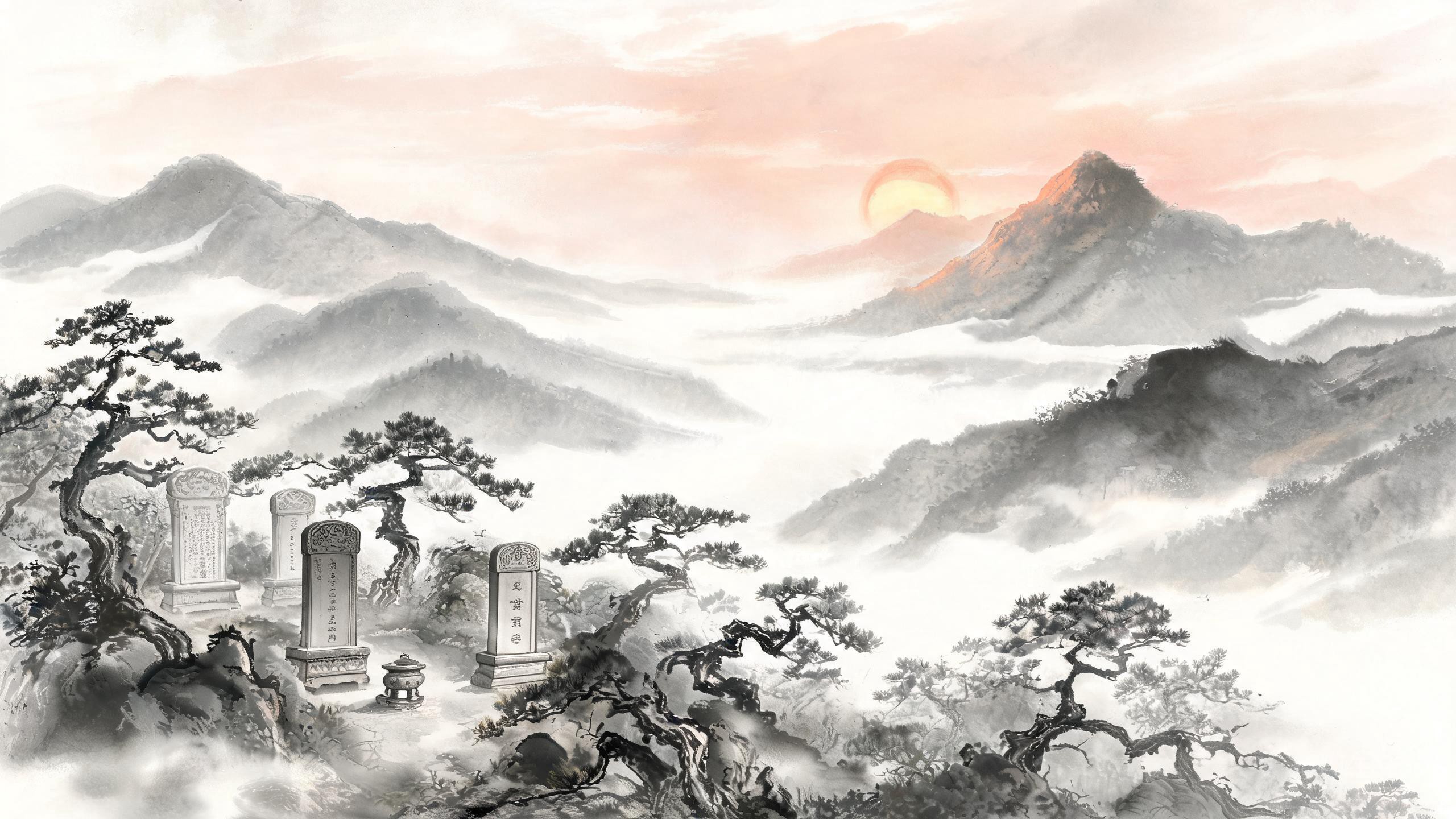
A grave is the resting place of the departed and a sacred space where descendants pay their respects and honor their memory. Regular maintenance and restoration of ancestral graves is not only an expression of respect for those who have passed, but also a vital practice for preserving favorable Feng Shui energy (Qi). A well-kept grave sustains its positive energetic influence and brings blessings to future generations.
Cultural Context: In Yin Dwelling Feng Shui (阴宅风水, yin zhai feng shui), the condition of an ancestral grave directly reflects the fortune and vitality of the entire family lineage. This concept, known as Bloodline Resonance (血脉感应), suggests that the living and the deceased share an energetic connection — when the grave is harmonious, the family flourishes; when it falls into disrepair, the family's luck may decline.
Daily and Routine Maintenance Tasks
Cleaning and Tidying
Regular cleaning is the foundation of grave care. This includes clearing weeds, fallen leaves, and debris to keep the cemetery area neat and orderly. While cleaning at least once a month is ideal, it is essential to perform thorough cleaning before important ancestral memorial days such as the Qingming Festival (清明节) and the Double Ninth Festival (重阳节).
Vegetation Management
The plants surrounding a grave require regular care, including pruning trees and shrubs, watering and fertilizing, and controlling pests and diseases. The purpose of vegetation maintenance is to keep plants healthy so they can continue to fulfill their role as "Sand" (砂, sha) — the protective surrounding formations in Feng Shui.
Cultural Context: In Feng Shui theory, "Sand" refers to the smaller hills, structures, or vegetation that flank and protect a site. Healthy, well-tended plants around a grave act as living Sand, helping to gather and stabilize protective Qi.
Drainage System Inspection
The drainage system around a grave must be inspected regularly to ensure water flows freely. Poor drainage causes water accumulation in the burial chamber, which affects the dryness of the grave and undermines its Feng Shui effectiveness. During inspections, check whether drainage ditches are clogged or drainage pipes are damaged.
Quick Tips for Routine Grave Care
- Schedule a cleaning visit at least once per month, with extra attention before Qingming and Chongyang festivals
- Keep weeds and overgrowth under control — neglected vegetation can generate stagnant Sha Qi
- After heavy rains, return to the site and check for standing water or soil erosion
- Bring basic tools (gloves, shears, a small broom) in a dedicated kit for repeated visits
Types of Restoration and Optimal Timing
In Feng Shui practice, restoration work is classified into three categories based on scale:
| Type | Scope | Timing |
|---|---|---|
| Minor Repairs | Fixing small damages such as cracks, chips, or loose stones | Can be performed anytime; no specific date required |
| Moderate Repairs | Addressing medium-level damage to the structure or surroundings | Best performed around Qingming or Chongyang festivals |
| Major Repairs | Large-scale restoration involving significant structural work | Requires careful date selection and appropriate ceremonies |
Quick Tip: When planning major restoration, consult a Feng Shui practitioner to identify an auspicious date that avoids Three Sha days (三煞日) and Five Yellow days (五黄日) — these are considered energetically unfavorable for any disturbance to a burial site.
Feng Shui Principles for Restoration Work
Choose an Auspicious Date
Selecting the right time is essential for any restoration work. When choosing an auspicious day, avoid unfavorable dates such as Three Sha days and Five Yellow days. Select a date that harmonizes with the deceased's BaZi (八字, Eight Characters birth chart), and choose a day with clear, sunny weather.
Offer Prayers Before Beginning
Before starting any restoration, a prayer ceremony should be held first. Explain the reason for and plan of the restoration to the deceased, and ask for their understanding and blessing. Only after the ceremony is complete should the physical work begin.
Preserve the Original Form
When restoring a grave, make every effort to preserve its original appearance — do not arbitrarily change the grave's style or design. Maintaining the original form shows respect for the deceased and helps preserve the original Feng Shui configuration.
Cultural Context: Ancestral graves are believed to be energetically settled into their environment. Alterations to the original layout — even well-intentioned ones — can disrupt the established flow of Qi and create imbalances that affect descendants. The principle of "do no harm" guides this conservative approach.
Hold a Completion Ceremony
After restoration work is finished, hold another ceremony to report the completed work to the deceased and once again express respect and remembrance.
Important Precautions During Restoration
When performing grave restoration, take care not to disturb neighboring burial plots. Ensure construction safety and guard against accidents such as collapses or landslides. When working in a public cemetery, follow the cemetery's management regulations and complete all required administrative procedures.
Long-Term Maintenance Planning
Establish a routine schedule for periodic inspection of the grave. This allows you to detect potential problems early and prevent them from worsening. Keep a maintenance log for each grave, recording the date, content, and cost of every service. Based on the grave's condition, develop a reasonable, sustainable maintenance plan.
How to Build a Long-Term Grave Care Plan
- Schedule annual inspections: Walk the entire site each year (ideally before Qingming) and photograph any changes
- Document everything: Keep records of all cleaning, repairs, and ceremonies in a dedicated notebook or digital file
- Budget ahead: Set aside an annual maintenance fund to cover cleaning supplies, minor repairs, and ceremonial offerings
- Plan for major work in advance: Large restorations require consultation, permits, and auspicious timing — start planning at least one year ahead
- Involve the family: Coordinate visits and responsibilities among family members to share the duty of ancestral care
Practical Considerations in Real-World Application
In actual Feng Shui practice, theories must be adapted to the specific geographic environment and real-world conditions. Do not apply book knowledge rigidly, and do not rely excessively on any single method. A skilled Feng Shui practitioner combines theory with practice and tradition with modernity — they are well-rounded professionals who bridge multiple disciplines.
During practice, keep the following points in mind:
- Respect nature fully: Do not forcibly alter the natural environment
- Rely on comprehensive judgment: Never base decisions on a single factor alone
- Consider practical feasibility: What looks perfect in theory may not work in reality
A Modern Scientific Perspective
From a modern scientific viewpoint, many traditional Feng Shui principles have sound rational basis. For example, choosing a site with a mountain at the back and water in front leverages the mountain to block cold winds while using the water surface to moderate temperature — creating a favorable microclimate. Selecting elevated ground with good drainage prevents dampness and standing water, helping preserve the structural integrity of the burial chamber.
These Feng Shui principles are, in essence, the accumulated wisdom of the ancients' long-term observation of the natural environment — they embody the philosophy of humanity living in harmony with nature. In modern society, we should approach this traditional wisdom with a scientific attitude, inheriting and developing its valuable insights.
Preserving and Advancing Feng Shui Culture
As an essential component of traditional Chinese culture, Feng Shui continues to hold significant cultural value in modern society. It is more than just the ancients' understanding of the natural environment — it is the crystallization of Chinese civilizational wisdom. Studying Feng Shui culture helps us better appreciate the essence of traditional Chinese heritage.
While preserving Feng Shui culture, we must also keep pace with the times — integrating the reasonable core of traditional Feng Shui with modern science, allowing this ancient practice to take on new life in the contemporary era.
Choosing the Right Time for Grave Restoration
The timing of grave restoration holds specific significance in Feng Shui practice. Generally, restoration should be performed during seasons with abundant Yang energy — such as spring or autumn. Avoid working during rainy weather or in winter.
Before beginning restoration, conduct a Feng Shui assessment to determine the specific plan. During the work, protect the original Feng Shui layout — do not arbitrarily change the grave's orientation or configuration. After completion, hold an appropriate ceremony to honor the departed; this also provides psychological comfort to the living.
Quick Tip: Spring and early autumn offer the most balanced Yang energy for restoration work. Avoid the extreme cold of winter (when Yin dominates) and the heavy rains of late summer (which can damage freshly repaired structures).
The Cultural Significance of Feng Shui
Feng Shui culture carries the Chinese nation's profound understanding of nature and life — it is a precious cultural heritage left to us by our ancestors. In today's society, despite the extraordinary advances in science and technology, the principles embedded in Feng Shui — respect for nature and the pursuit of harmony — remain highly relevant.
By studying Feng Shui knowledge, we can not only better understand traditional culture but also apply ancient wisdom in practice to bring peace and security to our own lives and those of our families. When approaching Feng Shui, we should maintain a rational, scientific attitude: respect tradition while keeping pace with the times, allowing Feng Shui culture to play a positive role in modern society.
Related Articles
- [[../05-命理与运势/09-面相断Yin Dwelling风水.md|Face Reading for Yin Dwelling Feng Shui — Nose Reading for Graves and Facial Correspondences]]
- [[../07-风水故事/58-风水与丧葬.md|Feng Shui and Burial — Ancient Traditions of Yin Dwelling Feng Shui]]
- [[../07-风水故事/01-曾国藩葬地择选记.md|Zeng Guofan's Grave Site Selection — The Feng Shui Wisdom of "Heaven Dislikes Cunning"]]
- [[../08-百科问答库/50-墓碑有什么风水讲究?墓碑朝向怎么定?.md|Feng Shui Considerations for Tombstones — How to Determine the Direction of a Gravestone]]