Feng Shui Guide to Tombstone Inscriptions: Meaning, Format, and Lucky Traditions
Tombstone inscriptions are the characters carved onto a gravestone, recording the deceased's essential information as well as tributes and remembrance. Beyond serving as proof of the departed's identi
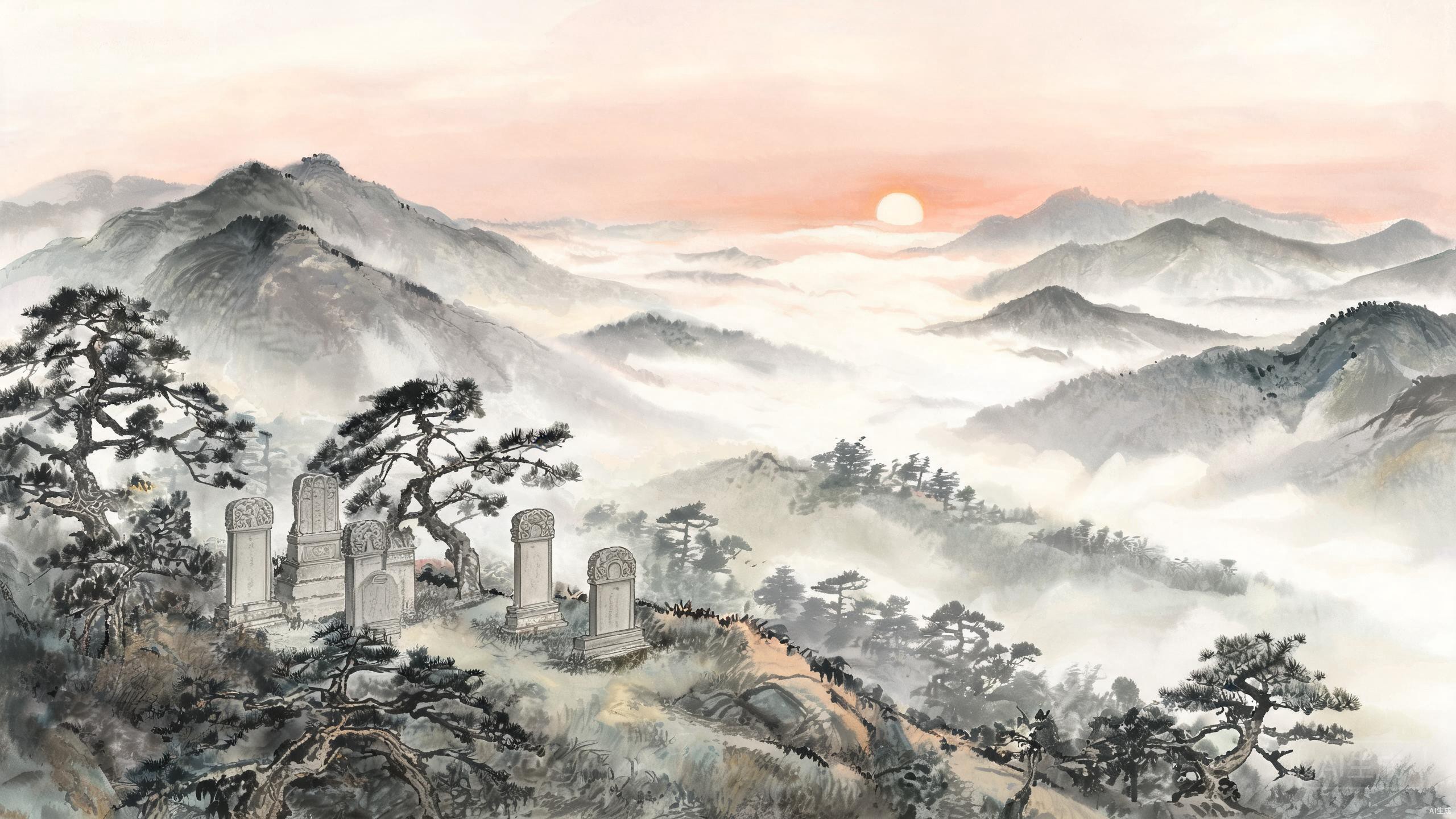
The Cultural Significance of Tombstone Inscriptions
Tombstone inscriptions are the characters carved onto a gravestone, recording the deceased's essential information as well as tributes and remembrance. Beyond serving as proof of the departed's identity, inscriptions function as a vital vessel for family history and cultural heritage. From a Feng Shui perspective, the content, calligraphy style, and arrangement of an inscription all influence the Qi field of the grave.
A well-crafted epitaph should be accurate, concise, and dignified — fully expressing respect and remembrance for the departed while conforming to Feng Shui principles that bring blessings to future generations.
Essential Content of a Tombstone Inscription
The Deceased's Name
The name of the deceased forms the heart of the inscription and should occupy the central position on the tombstone. The name's characters should be larger than all other text to emphasize its importance. When writing the name, accuracy is essential, and the arrangement should follow traditional conventions — typically with the surname preceding the given name.
Dates of Birth and Death
The birth and death dates are crucial elements of the inscription, usually placed on either side of or beneath the name. The date format should be consistent throughout, typically using either the lunar or solar calendar. Dates must be accurate and the format uniform.
Information of the Inscription Dedicators
The names of those who erect the monument form an important part of the inscription and are typically placed at the bottom of the tombstone. This information includes the dedicators' names and their relationship to the deceased. Names must be accurate, relationships clearly stated, and the order of names should follow seniority and generational hierarchy.
Format Conventions for Tombstone Inscriptions
Traditional inscriptions are written vertically, read from right to left. This format follows ancient writing conventions and demonstrates respect for tradition. In the traditional layout, the deceased's name appears in the center of the stone, a position known as the "central plaque" (中榜).
Modern inscriptions may be written horizontally from left to right. This format is more streamlined and suits contemporary reading habits. Even in modern layouts, the deceased's name remains centered on the tombstone.
The text should be arranged in orderly rows with appropriate spacing between characters and lines. Text that is too dense appears cramped; text too sparse looks loose and careless. Characters should be centered and maintain symmetry.
Choosing the Right Calligraphy Style
Tombstone inscriptions typically use traditional script styles such as regular script (楷书), running script (行书), or clerical script (隶书). Regular script is upright and standardized, running script flows naturally, and clerical script conveys an ancient, elegant character. The choice of style should harmonize with the overall aesthetic of the monument.
Cultural Context: In Chinese calligraphy, the choice of script carries deep meaning. Regular script conveys order and respect — ideal for formal epitaphs. Clerical script evokes antiquity and connects the deceased to ancestral tradition. The script you choose subtly shapes the emotional tone of the memorial.
The size of the characters should correspond to the dimensions of the tombstone. The name uses the largest characters, the birth and death dates are slightly smaller, and the dedicators' information appears in the smallest script. Characters that are too large appear crowded; those that are too small become difficult to read.
Word Choice and Vocabulary
The deceased should be referred to using honorific titles to demonstrate respect. Common honorifics include:
- Xiankao (先考) — respectful term for a deceased father
- Xianbi (先妣) — respectful term for a deceased mother
- Xiankao (显考) and Xianbi (显妣) — formal honorifics for departed parents
Avoid inauspicious language in the inscription. Words such as "death," "illness," or "perish" should be replaced with euphemisms like "passed," "departed," or "gone." Additionally, avoid using any character that appears in the deceased's name as a sign of reverence and to observe the ancient custom of naming taboo (避讳).
You may offer a brief evaluation of the deceased's life, but the language should be objective and appropriate. Common phrases include "highly respected and virtuous" (德高望重), "hardworking and frugal" (勤劳俭朴), or "compassionate and kind" (仁爱慈祥). Evaluations should be neither exaggerated nor overly sparse.
Feng Shui Taboos in Inscription Writing
Misspelled or wrong characters are a major Feng Shui taboo. Errors mar the appearance of the monument and carry unfortunate symbolic meaning. When composing an inscription, proofread repeatedly to ensure complete accuracy.
Every stroke must be complete. Broken or missing strokes are considered highly inauspicious in Feng Shui, symbolizing interruption or loss. Any damage to the characters on a tombstone should be repaired promptly.
Quick Tips:
- Always have at least two people verify the inscription before carving
- Inspect the tombstone annually for weathering or damage to the characters
- Avoid inscribing anything that could be interpreted as a homophone for unlucky concepts
Writing a tombstone inscription is a solemn responsibility that demands care and attention. A well-crafted epitaph honors the departed and preserves an important thread of cultural tradition.
Practical Considerations in Application
In actual Feng Shui practice, theory must be combined with the specific geographic environment and real-world conditions. Avoid applying textbook knowledge rigidly or relying excessively on any single method. A skilled Feng Shui practitioner is one who integrates theory with practice and tradition with modernity.
During application, keep the following principles in mind:
- Respect nature first — never force changes to the natural environment
- Make comprehensive judgments — never base decisions on a single factor alone
- Consider practical feasibility — what looks perfect in theory may not work in practice
How to Apply These Principles When Planning an Inscription
- Visit the site in person before finalizing the text — local terrain and climate influence appropriate wording
- Consult family elders to confirm accurate dates, names, and relationships
- Work with an experienced calligrapher familiar with tombstone conventions
- Review a written proof before any carving begins
A Modern Scientific Perspective
From a modern scientific viewpoint, many principles within traditional Feng Shui theory possess rational scientific foundations. For example, choosing a site with a mountain behind and water in front allows the mountain to block cold winds while the water moderates temperature, creating a beneficial microclimate. Selecting elevated ground with good drainage prevents moisture and water accumulation, helping preserve the integrity of the grave.
These Feng Shui principles reflect the results of long-term observation and summarization of the natural environment by the ancients — embodying the wisdom of harmony between humanity and nature. In modern society, we should approach this traditional wisdom with a scientific attitude and carry it forward responsibly.
The Inheritance and Development of Feng Shui Culture
As an important component of Chinese traditional culture, Feng Shui retains significant cultural value in modern society. It represents not only the ancients' understanding of the natural world but also a crystallization of Chinese civilizational wisdom. Studying Feng Shui culture helps us better appreciate the essence of traditional Chinese thought.
Cultural Context: Feng Shui is often mischaracterized as superstition in the West, but it is better understood as an applied environmental philosophy — a systematic way of understanding how landscapes, climate, and human structures interact. This is why it continues to attract serious academic study worldwide.
While preserving Feng Shui traditions, we must also evolve with the times — integrating the rational core of classical Feng Shui with modern science so this cultural heritage can flourish in a new era.
The Cultural Depth of Tombstone Inscriptions
A tombstone inscription is far more than a marker; it is an act of cultural transmission. A well-written epitaph should be concise, meaningful, and appropriate to the identity and character of the departed.
When composing an inscription, observe the following guidelines:
- Accuracy of content — the name, birth and death dates, and all other information must be exactly correct
- Clarity of calligraphy — the script should be neat and easily legible
- Dignity of tone — the language should reflect respect and remembrance, maintaining a solemn and appropriate style
These requirements honor the deceased while serving as a vital expression of family heritage.
The Cultural Heritage Value of Feng Shui
Feng Shui culture carries the Chinese nation's profound understanding of nature and life — a precious cultural legacy left by our ancestors. In today's highly developed technological society, the principles of respecting nature and pursuing harmony embedded in Feng Shui still hold important practical significance. By learning Feng Shui, we not only gain a deeper understanding of traditional culture but can also apply ancestral wisdom in practice to bring peace and security to ourselves and our families. In approaching Feng Shui, we should maintain a rational, scientific attitude — respecting tradition while moving with the times, allowing this culture to play a positive role in modern society.
Related Articles
- [[../05-命理与运势/09-面相断Yin Dwelling风水.md|Face Reading for Yin Dwelling Feng Shui — Reading Graves Through the Nose and Face]]
- [[../07-风水故事/58-风水与丧葬.md|Feng Shui and Burial — The Ancient Traditions of Yin Dwelling Feng Shui]]
- [[../07-风水故事/01-曾国藩葬地择选记.md|Zeng Guofan's Burial Site Selection — The Feng Shui Wisdom of "Heaven Abhors Cunning"]]
- [[../08-百科问答库/50-墓碑有什么风水讲究?墓碑朝向怎么定?.md|What Are the Feng Shui Considerations for Tombstones? How Is Tombstone Orientation Determined?]]