Feng Shui Tombstone Damage: Omens, Remedies, and Prevention for Ancestral Graves
In Feng Shui, a tombstone is regarded as a vital medium connecting the Yin and Yang realms — it serves as the gateway for the Qi (气) field of the burial site. The integrity of the tombstone directly a
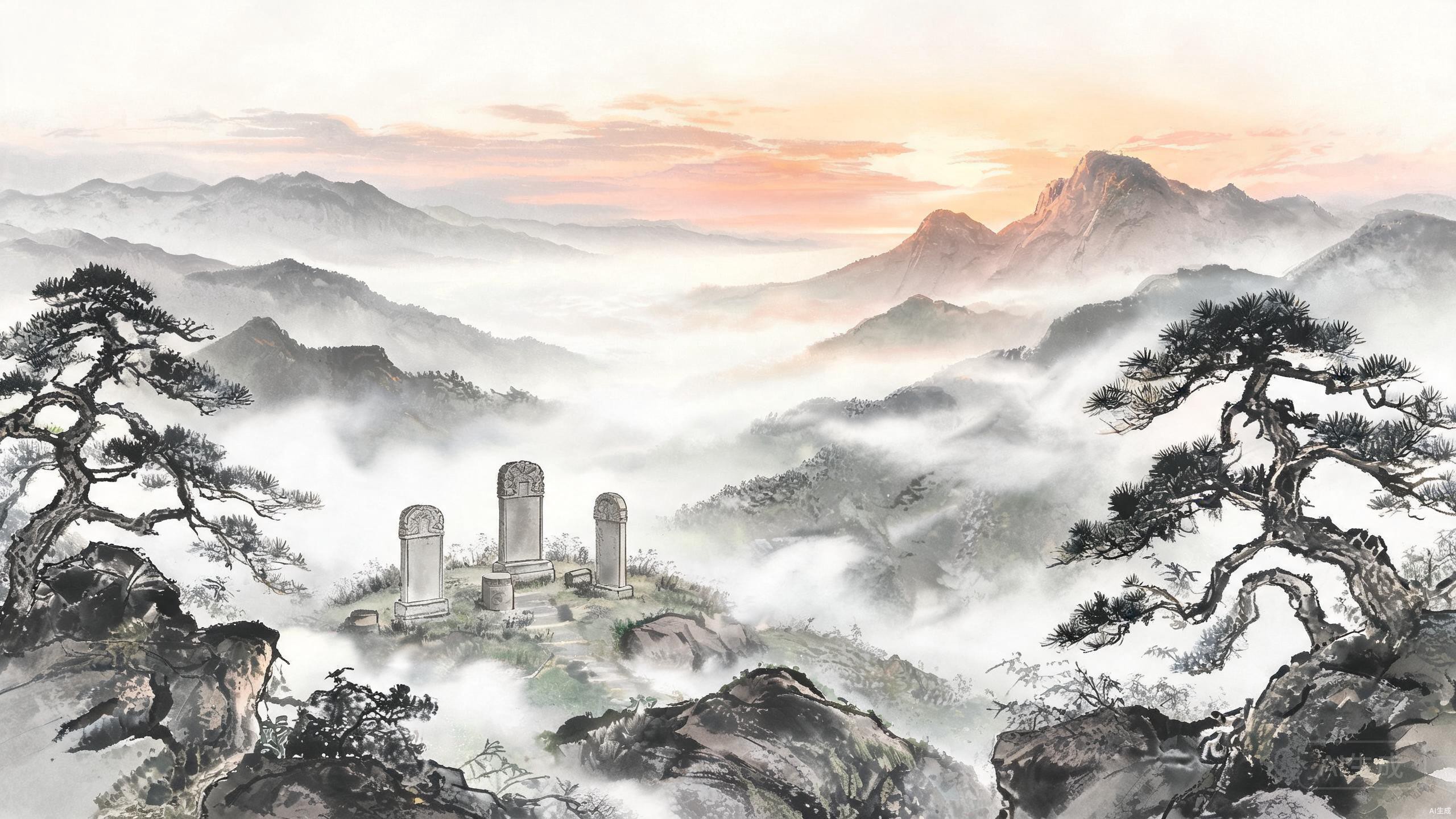
The Symbolic Meaning of Tombstone Damage
In Feng Shui, a tombstone is regarded as a vital medium connecting the Yin and Yang realms — it serves as the gateway for the Qi (气) field of the burial site. The integrity of the tombstone directly affects the Feng Shui effectiveness of the grave. When a tombstone becomes damaged, it is often interpreted as an inauspicious omen, signaling that certain issues require attention.
Cultural Context: In Ancestral Grave Feng Shui (祖坟风水), the tombstone is believed to channel the blessings of ancestors toward their descendants. Think of it as an antenna connecting your family line to protective spiritual energy — when the antenna is damaged, the signal weakens, and the family's fortune may be affected accordingly.
It is important to note that a damaged tombstone does not necessarily mean misfortune will definitely occur. Rather, it serves as a reminder to check the condition of the burial site and take appropriate corrective action.
Common Types of Tombstone Damage
Natural Weathering
Natural weathering is the most common cause of tombstone damage. Long-term exposure to the elements — wind, rain, sun, and frost — causes surface cracking and peeling. This type of damage typically begins on the surface and gradually progresses inward.
Accidental Impact
Accidental impact is another frequent cause. This may occur during cemetery maintenance when tools strike the stone, from falling branches, or from intentional vandalism. Impact damage is usually localized to a specific area.
Ground Subsidence
Ground subsidence can cause tombstones to tilt or crack. This typically happens when the burial foundation is unstable or when underground water levels shift. Subsidence-related damage can affect the entire structure.
How to Interpret Different Tombstone Damage Locations
| Damage Location | Family Member Affected | Possible Concern |
|---|---|---|
| Top of Tombstone | Elders / Older generation | Health issues requiring attention |
| Middle of Tombstone | Middle-aged generation | Career, health, or financial challenges |
| Bottom of Tombstone | Younger generation | Academic performance or health matters |
| Inscription Damage (especially the deceased's name) | Family reputation | Hereditary legacy or family honor affected |
When the inscription itself — particularly the name of the deceased — becomes damaged, it is considered an especially inauspicious sign, potentially indicating that the family's reputation or ancestral heritage is being compromised.
Quick Tips:
- Inspect your family tombstone at least twice a year, especially after seasonal storms
- Document any changes with photos so you can track the progression of damage
- Pay special attention to the inscription area — text damage is considered the most significant warning sign
Remedies for Tombstone Damage
Prompt Repair
Once damage occurs, repair it as soon as possible. The earlier the repair, the smaller the impact on the overall Feng Shui. Always hire a professional stone mason to ensure quality workmanship, and make sure the restored tombstone matches the original appearance.
Complete Replacement
If the tombstone is too severely damaged to repair, consider full replacement. This process requires careful timing and ritual steps:
- Selecting an Auspicious Date (择日): Choose a date aligned with favorable energy
- Ceremonial Offering (祭拜): Pay respects to the deceased and ancestors
- Removing the Old Stone (移除旧碑): Carefully dismantle the damaged marker
- Installing the New Stone (安放新碑): Properly position and secure the replacement
- Consecration Ceremony (开光): Bless and activate the new tombstone
Feng Shui Remedies
Beyond physical repair, you can apply Feng Shui remedies to neutralize the Sha Qi (harmful energy) caused by the damage:
- Hang Five Emperor Coins (五帝钱) near the tombstone to dissolve harmful energy
- Place a Shi Gan Dang (Taishan Stone Tablet) nearby to ward off negative influences
- Plant auspicious trees such as pine or cypress around the tombstone to improve the surrounding Qi field
Ceremonial Offerings
Ritual offerings can also help resolve the negative effects of tombstone damage. During the ceremony, explain the situation to the deceased, express respect and apology, and seek their continued blessings. These ceremonies should ideally be performed after the tombstone has been repaired.
Preventive Measures for Tombstone Damage
| Prevention Method | How It Helps |
|---|---|
| Choose Quality Materials | High-grade stone resists weathering and lasts for generations |
| Regular Maintenance | Routine inspections catch small problems before they become serious |
| Plant Protective Trees | Trees act as natural windbreaks and shade against harsh weather |
| Install Protective Coverings | Small shelters reduce direct exposure to rain and harsh sun |
When interpreting the omens of tombstone damage, maintain a balanced perspective. Avoid extreme superstition, but don't dismiss the warnings entirely. A damaged tombstone is simply a reminder — one that prompts you to pay attention and resolve the issue.
Important Considerations in Practical Application
In actual Feng Shui practice, you must adapt theory to specific geographic environments and real-world conditions. Never apply textbook knowledge rigidly, and don't rely on any single method alone. An excellent Feng Shui practitioner combines theory with practice, tradition with modernity.
During any Feng Shui work, keep these principles in mind:
- Respect Nature: Never forcibly alter the natural environment
- Make Comprehensive Judgments: Base decisions on multiple factors, not just one isolated sign
- Consider Practical Feasibility: Theoretically perfect solutions are not always practically possible
A Modern Scientific Perspective
From a modern scientific viewpoint, many traditional Feng Shui principles contain reasonable logic. For example:
- Sitting against a mountain, facing water (背山面水) uses natural landforms to block cold winds while nearby water moderates temperature, creating an ideal microclimate
- Choosing well-drained high ground prevents moisture accumulation and waterlogging, protecting the long-term integrity of the burial site
These Feng Shui principles reflect the accumulated wisdom of ancient peoples' long-term observation of nature — embodying the philosophy of harmonious coexistence between humanity and the natural world. In modern society, we should inherit and develop this traditional wisdom with a scientific attitude.
Cultural Heritage and Modern Development of Feng Shui
As a vital component of Chinese traditional culture, Feng Shui retains significant cultural value in modern society. It represents not only the ancient understanding of natural environments but also the crystallized wisdom of Chinese civilization. Studying Feng Shui culture helps us better appreciate the essence of Chinese heritage.
In passing down this tradition, we must also keep pace with the times — integrating the reasonable core of classical Feng Shui with modern science, allowing this ancient wisdom to flourish with new vitality.
Common Omen Signs of Tombstone Damage
In Feng Shui, a damaged tombstone is considered an inauspicious sign. The most common types include:
| Type of Damage | Symbolic Meaning |
|---|---|
| Tombstone Cracking | Family discord or separation |
| Faded Inscription | Decline of family reputation |
| Tombstone Tilting | Instability in family fortune |
| Surface Peeling | Loss of ancestral protection |
Each type of damage carries its own symbolic meaning. Once damage is discovered, address it promptly: identify the cause, take appropriate repair measures, and restore the tombstone's Feng Shui effectiveness.
The Cultural Significance of Feng Shui Transmission
Feng Shui culture carries the Chinese nation's profound understanding of nature and life — a precious cultural heritage left by our ancestors. Even in today's technologically advanced society, the principles embedded in Feng Shui — respect for nature and the pursuit of harmony — remain practically meaningful.
By studying Feng Shui knowledge, we gain a deeper understanding of traditional culture while applying ancient wisdom to bring greater peace and security to our families' lives. When approaching Feng Shui, we should maintain a rational, scientific attitude: respecting tradition while moving forward with the times, so that Feng Shui culture continues to play a positive role in modern society.
Quick Tips:
- Schedule annual tomb visits during Qingming Festival or the Mid-Autumn season to inspect ancestral graves
- Keep a small toolkit (soft cloth, mild cleaner) for gentle surface maintenance
- Maintain a respectful, calm mindset during grave visits — your intention matters as much as any ritual
Related Articles
- [[../01-风水入门/25-风水中的五黄煞与化解.md|Five Yellow Sha and Remedies in Feng Shui]]
- [[../02-家居风水/51-租房风水指南.md|Rental Feng Shui Guide: Adjusting Energy in Temporary Homes]]
- [[../02-家居风水/57-家居风水100忌详解.md|100 Feng Shui Taboos at Home: Complete Guide to Layout Mistakes and Remedies]]
- [[../03-财运风水/28-财位风水禁忌大全.md|Wealth Position Feng Shui Taboos: 30 Wealth-Destroying Mistakes and Remedies]]