Yin Dwelling Feng Shui: Sacred Offerings and Ritual Tributes Guide for Ancestral Graves
In the practice of Yin Dwelling Feng Shui (阴宅风水), offerings and ritual tributes form an indispensable part of ancestor veneration ceremonies. These offerings — gifts presented to the departed — expres
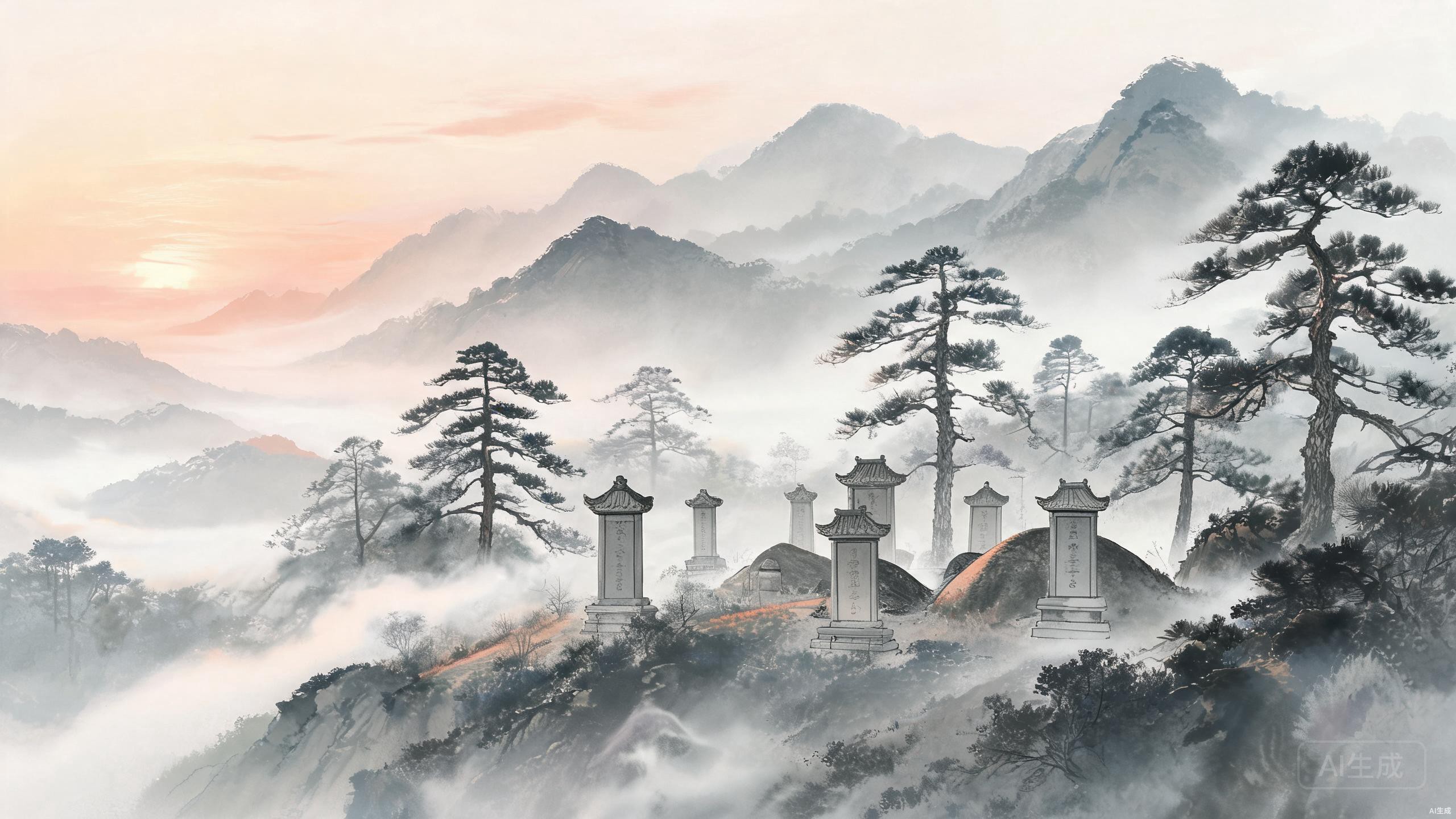
The Feng Shui Significance of Offerings and Ritual Tributes
In the practice of Yin Dwelling Feng Shui (阴宅风水), offerings and ritual tributes form an indispensable part of ancestor veneration ceremonies. These offerings — gifts presented to the departed — express respect and remembrance for those who have passed on. From a Feng Shui perspective, offerings are far more than emotional gestures; they serve as vital conduits that maintain and energize the Qi field surrounding a grave.
Appropriate offerings can strengthen the energetic atmosphere of a burial site, providing energetic support to the departed. Unsuitable offerings, on the other hand, may generate negative influences that disturb the site's Qi field.
Cultural Context: In Chinese tradition, the bond between ancestors and descendants is understood as a living connection. Proper veneration is believed to maintain harmony between the living and the dead, ensuring that ancestral blessings continue to flow through the family line — much like tending a garden so it continues to bear fruit.
Types of Offerings and How to Choose Them
Incense and Candles
Incense and candles are the most fundamental offerings. Incense symbolizes communication between Heaven and Earth, while candles represent light and hope. When selecting incense and candles, choose high-quality products that burn cleanly, producing pure smoke without unpleasant odors.
The number of incense sticks is traditionally three, representing Heaven, Earth, and Humanity (天地人三才, the Three Powers). Candles are usually placed in pairs, symbolizing the balance of Yin and Yang (阴阳).
Paper Money (Joss Paper)
Paper money — spirit currency burned as an offering to the departed — is essential in traditional ceremonies. Various types exist, including gold and silver paper, underworld banknotes, and merit-transferring coins.
When selecting paper money, choose products from reputable sources and avoid items with inappropriate printed content. When burning paper offerings, always observe fire safety precautions.
Fruit
Fruit is a common offering symbolizing abundance and good fortune. Select fresh, whole fruit — never use rotten or spoiled produce.
Popular fruit offerings include:
| Fruit | Symbolism |
|---|---|
| Apple (苹果) | Peace and safety |
| Tangerine (橘子) | Auspiciousness and luck |
| Banana (香蕉) | Attracting wealth |
| Grape (葡萄) | Many children and abundant blessings |
Cakes and Pastries
Cakes and pastries are common offerings symbolizing sweetness and completeness. Choose fresh, intact items.
Traditional cake offerings include:
| Pastry | Symbolism |
|---|---|
| Fa Gao (发糕, steamed prosperity cake) | Getting rich |
| Mooncake (月饼) | Family reunion |
| Nian Gao (年糕, New Year rice cake) | Rising higher year by year |
Wine and Libations
Wine and libations are important offerings symbolizing respect and blessings. Select good-quality spirits — never use inferior liquor.
When pouring libations, the traditional number is three cups, representing Heaven, Earth, and Humanity.
Three Sacrificial Animals (三牲)
The Three Sacrificial Animals (三牲) — pork, chicken, and fish — are traditional offerings symbolizing abundance and deep respect.
In modern ceremonies, the Three Sacrificial Animals can be replaced with vegetarian alternatives made from soy products, known as "vegetarian three sacrifices" (素三牲).
Proper Arrangement of Offerings
Placement Position
Offerings should be arranged on an altar table or before the grave. The altar must be stable and level, with offerings arranged neatly and in order.
Candles and incense occupy the foremost position. Paper money is placed on either side. Fruit, cakes, and libations are arranged in the center.
Number of Offerings
The number of offerings is traditionally chosen as an odd number — three, five, or seven items — for auspiciousness. Odd numbers belong to Yang (阳), aligning with the customs of the living world.
Timing of Placement
Offerings should be arranged before the ceremony begins and may be removed afterward. Food items such as fruit and cakes can be distributed among family members after the ceremony, symbolizing the sharing of ancestral blessings.
Feng Shui Taboos Regarding Offerings
Avoid Unclean Items
Offerings must be kept clean; no unclean items may be used. Unclean offerings pollute the Qi field of the grave and disrupt its Feng Shui.
Avoid Empty Plates
When arranging offerings, plates and containers must hold actual items — never leave them empty. An empty plate symbolizes emptiness and lack, which carries an inauspicious meaning.
Avoid Damaged Items
Offerings must be complete and intact; damaged items should never be used. Broken offerings symbolize incompleteness and carry negative meaning.
Special Considerations for Long-Term Tributes
Eternal Lamp (长明灯)
The Eternal Lamp (长明灯) is a lamp or candle kept continuously lit before the departed's spirit tablet. It symbolizes the eternal presence of the ancestor's soul and provides light and Yang Qi (阳气) to the burial site.
Use safe oil lamps or electric lamps, and inspect and replace them regularly to ensure they remain lit.
Fresh Flowers
Fresh flowers are common modern offerings symbolizing beauty and blessings. When selecting flowers, choose varieties with elegant colors and auspicious meanings.
Common floral offerings include:
| Flower | Symbolism |
|---|---|
| Chrysanthemum (菊花) | Noble purity |
| Lily (百合) | Pure innocence |
| Carnation (康乃馨) | Gratitude |
Fresh Water
Fresh water is an important offering symbolizing purity and life. Placing a cup of fresh water before the grave provides nourishment for the departed.
Handling Offerings After the Ceremony
Post-Ceremony Disposal
After the ceremony, offerings should be properly handled. Fruit and cakes can be distributed among family members, symbolizing the sharing of ancestral blessings.
Paper money should be burned at designated locations, and the ashes disposed of properly — never discarded carelessly.
Refreshing the Offerings
Offerings should be refreshed regularly; they should not remain displayed for extended periods. Decaying offerings contaminate the environment and harm the grave's Feng Shui.
The careful selection and arrangement of offerings in Yin Dwelling Feng Shui reflects profound respect and remembrance for the departed. By choosing appropriate offerings and arranging them correctly, you can express reverence to your ancestors while maintaining the energetic integrity of the grave — bringing blessings to the entire family.
Practical Considerations in Real Application
In actual Feng Shui practice, theory must be adapted to specific geographic conditions and real-world circumstances. One cannot rigidly apply textbook knowledge, nor rely exclusively on any single method. A skilled Feng Shui practitioner is a well-rounded expert who integrates theory with practice and bridges tradition with modernity.
During practical work, keep the following principles in mind:
- Respect nature fully — never force drastic changes upon the natural environment
- Make comprehensive judgments — never decide based on a single factor alone
- Consider real-world feasibility — theoretical perfection does not always equal practical viability
A Modern Scientific Perspective
From a modern scientific standpoint, many traditional Feng Shui principles rest on rational foundations. For example, choosing a site that is "back to mountain, facing water" (背山面水) uses the mountain barrier to block cold winds while harnessing the water surface to moderate temperature — creating a favorable microclimate. Selecting well-drained high ground avoids dampness and standing water, helping preserve the structural integrity of the grave.
These Feng Shui principles represent the accumulated wisdom of generations observing the natural environment. They embody the philosophy of harmonious coexistence between humanity and nature. In modern society, we should approach this heritage with a scientific attitude — preserving and developing its essential wisdom.
Cultural Context: Modern Feng Shui scholars often point out that what ancient masters called "auspicious sites" frequently correspond to locations with good sunlight, stable soil, proper drainage, and natural shelter — practical environmental advantages that contemporary science can readily explain.
The Transmission and Evolution of Feng Shui Culture
As an important component of traditional Chinese culture, Feng Shui retains significant cultural value in modern society. It represents not only the ancient understanding of the natural environment but also the crystallized wisdom of Chinese civilization. Studying Feng Shui helps us better grasp the essence of Chinese cultural heritage.
In transmitting Feng Shui culture, we must also evolve with the times — integrating the rational core of traditional Feng Shui with modern science, so that this ancient wisdom may flourish anew in our era.
Related Articles
- [[../07-风水故事/58-风水与丧葬.md|Feng Shui and Funerals — The Ancient Tradition of Yin Dwelling Feng Shui]]
- [[../05-命理与运势/09-面相断Yin Dwelling风水.md|Face Reading and Yin Dwelling Feng Shui — Reading Ancestral Graves Through Facial Features]]
- [[../07-风水故事/01-曾国藩葬地择选记.md|Zeng Guofan's Burial Site Selection — The Feng Shui Wisdom of "Heaven Disdains Cunning"]]
- [[../08-百科问答库/50-墓碑有什么风水讲究?墓碑朝向怎么定?.md|Grave Marker Feng Shui Principles — How to Determine the Direction of a Tombstone]]