Yin Dwelling vs Yang Dwelling Feng Shui: Key Differences and Connections
Feng Shui can be divided into two major branches: Yin Dwelling Feng Shui (阴宅风水) and Yang Dwelling Feng Shui (阳宅风水). Yin Dwellings refer to places where the deceased are laid to rest — including cemete
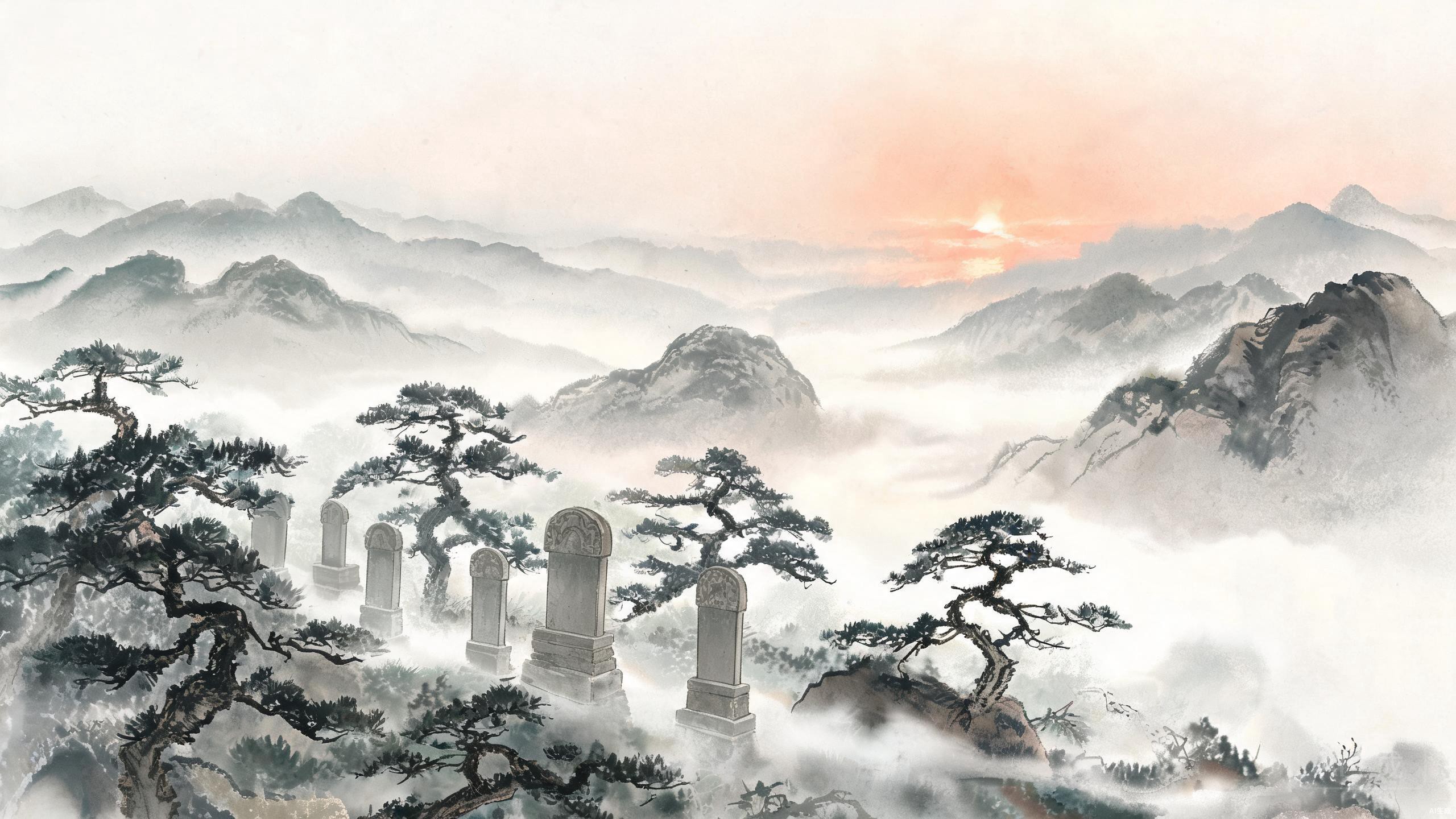
Basic Concepts of Yin Dwellings and Yang Dwellings
Feng Shui can be divided into two major branches: Yin Dwelling Feng Shui (阴宅风水) and Yang Dwelling Feng Shui (阳宅风水). Yin Dwellings refer to places where the deceased are laid to rest — including cemeteries, graves, and tombs. Yang Dwellings refer to the houses, buildings, and living environments where people reside. Although both belong to the broader discipline of Feng Shui, they differ significantly in theoretical application, emphasis, and analytical method.
Yin Dwelling Feng Shui focuses on selecting and arranging burial sites so that the deceased may rest peacefully and transmit beneficial Qi to descendants. Yang Dwelling Feng Shui, by contrast, focuses on selecting and arranging living environments so that the inhabitants enjoy health, safety, and good fortune. The two serve different subjects — one the departed, one the living.
The Differences Between Yin Dwelling Feng Shui and Yang Dwelling Feng Shui
Different Subjects Served
The subject of Yin Dwelling Feng Shui is the deceased. Its core purpose is to find a resting place for the departed. In Yin Dwelling Feng Shui, the deceased is the central focus, and every Feng Shui arrangement revolves around providing peace and tranquility to the departed.
The subject of Yang Dwelling Feng Shui is the living. Its core purpose is to create an optimal living environment for the inhabitants. In Yang Dwelling Feng Shui, the residents are the focus, and every Feng Shui arrangement revolves around promoting their health, success, and happiness.
Different Time Scales
The influence of Yin Dwelling Feng Shui is considered long-term and sustained. Once a burial is made — barring exhumation and relocation — the Feng Shui configuration remains unchanged for a very long time. Therefore, Yin Dwelling Feng Shui prioritizes the "hundred-year plan," pursuing long-term energetic stability.
The influence of Yang Dwelling Feng Shui, on the other hand, is relatively short-term and dynamic. People can adjust their home layout according to how they feel, or change their entire environment by moving. Therefore, Yang Dwelling Feng Shui emphasizes current practicality and adaptability.
Different Analytical Focus
Yin Dwelling Feng Shui places special emphasis on form-based (Luan Tou) analysis — that is, the natural geographic elements of Dragon, Acupoint, Sand, Water, and Direction. This is because once a grave site is chosen, it is very difficult to change; the optimal natural environment must be selected from the very beginning.
Yang Dwelling Feng Shui also values the external environment, but places greater emphasis on interior layout and space utilization. In Yang Dwelling Feng Shui, internal elements such as the door (门), main room (主), stove (灶), and toilet (厕) are often just as important as the external environment.
Different Qi Requirements
Yin Dwellings seek Quiet Qi (静气) — an environment of stillness, stability, and freedom from disturbance. They require Storing Wind and Gathering Qi, avoiding situations where Qi flows too freely or becomes disturbed.
Yang Dwellings seek Vital Qi (Sheng Qi, 生气) — an environment full of vitality with smooth, flowing energy. Yang Dwellings require ventilation and the receiving of Qi, maintaining air circulation and energetic exchange.
Cultural Context: In traditional Chinese cosmology, the deceased belong to the realm of Yin (stillness), while the living belong to the realm of Yang (activity). This fundamental distinction explains why burial sites demand quiet, protected energy, while homes need dynamic, refreshing Qi to support daily life.
The Connections Between Yin Dwelling Feng Shui and Yang Dwelling Feng Shui
Despite their many differences, Yin Dwelling Feng Shui and Yang Dwelling Feng Shui are built upon the same foundational theories. Both follow the principles of Yin and Yang and the Five Elements (Wu Xing), both regard the concept of Qi as central, and both pursue the Unity of Heaven and Humanity — the harmony between people and nature.
In practical application, many Feng Shui principles are universal. For example, both Yin and Yang Dwellings emphasize Back to Mountain Facing Water and Storing Wind and Gathering Qi. Both value the correct selection of directions and orientations, and both stress the beauty and harmony of the environment.
In Feng Shui theory, Yin Dwellings and Yang Dwellings are not isolated; they influence each other. A well-designed Yin Dwelling can bless future generations, while a well-designed Yang Dwelling helps the inhabitants live smoothly. Together, they shape the fortune of an entire family.
Some Feng Shui schools believe that Yin Dwelling Feng Shui exerts a more fundamental and far-reaching influence on family fortune, while Yang Dwelling Feng Shui has a more immediate and rapid effect. Therefore, when circumstances allow, both should be given equal importance.
Modern Integration of the Two Branches
In modern society, with the rise of urbanization, the boundary between Yin Dwelling and Yang Dwelling Feng Shui is gradually blurring. For instance, in large public cemeteries, burial plots resemble Yin Dwelling "neighborhoods," and their Feng Shui layout shares many similarities with Yang Dwelling communities. Similarly, when ashes are stored in indoor memorial halls, their Feng Shui arrangement echoes the interior layout principles of Yang Dwellings. This trend of integration reflects how Feng Shui continuously evolves with the times.
Quick Tips:
- Even urban memorial parks follow the same "mountain-water" principles as traditional homes — look for backing hills or walls and a gentle path or stream in front
- Indoor memorial spaces should be kept clean and well-lit, just like a living room, to maintain harmonious Qi
The Interactive Relationship Between Yin and Yang Dwellings
In actual Feng Shui practice, Yin Dwellings and Yang Dwellings share a subtle interactive relationship. Some schools of Feng Shui believe that Yin Dwelling Feng Shui determines a family's foundational fortune — similar to the root system of a plant — while Yang Dwelling Feng Shui shapes the day-to-day manifestations of life — similar to the branches and leaves. When the roots are strong, the branches flourish; when the branches flourish, they help the roots absorb nourishment more effectively.
This interactive relationship is evident in real life. For example, when a family's Ancestral Grave Feng Shui is good, descendants may find helpful mentors in their careers, but without a sound living environment, these good fortunes may not endure. Conversely, if the living environment is good but the ancestral grave Feng Shui is poor, the descendants' efforts may yield only half the results.
How to Apply This Insight
- Start with what you can change: If relocation is not an option, focus first on optimizing your Yang Dwelling — it produces faster, more visible results
- Honor the ancestral connection: When selecting or visiting burial sites, apply the same Feng Shui principles you would use for a home — good orientation, protection, and harmony
- Think long-term and short-term simultaneously: Yin Dwelling investments (proper grave selection) and Yang Dwelling investments (home layout) complement each other across generations
Priority in Practical Feng Shui Application
In actual Feng Shui operations, the priority between Yin Dwellings and Yang Dwellings should be determined according to specific circumstances. For already-buried ancestral graves, if conditions permit, priority should be given to improving the Yang Dwelling Feng Shui — because adjustments to a home are far easier to make and produce results more quickly.
For newly established Yin Dwellings, however, special emphasis must be placed on the proper selection of the burial site, because once a burial takes place, adjustments become very difficult. In this case, it is far better to invest more time and effort in finding a suitable Yin Dwelling location than to act hastily.
The Importance of Comprehensive Balance
Whether Yin or Yang, the essence of Feng Shui lies in pursuing the Unity of Heaven and Humanity — the harmony between people and nature. In practice, one should emphasize comprehensive balance rather than perfection in any single dimension. A good Feng Shui configuration should be the result of Yin Dwelling and Yang Dwelling working together in mutual support.
In modern society, people place increasing value on quality of life and have higher expectations for their living environment. At the same time, there is growing concern for the environmental and ecological aspects of ancestral burial. This trend reflects humanity's pursuit of harmony with nature and demonstrates the continuing value of Feng Shui in contemporary life.
The Modern Value of Feng Shui Culture
As an essential component of traditional Chinese culture, Feng Shui retains significant cultural value in modern society. It embodies the ancient Chinese people's profound observation of the natural environment and their accumulated wisdom — a priceless spiritual treasure of Chinese civilization.
In today's world, Feng Shui culture influences not only people's burial customs but also permeates architecture planning, environmental design, and urban development. Studying and understanding Feng Shui helps us better appreciate the essence of traditional Chinese culture, and enables us to apply ancient wisdom in creating more harmonious and beautiful modern lives.
Combining Theory with Practice
The most important aspect of learning Feng Shui is combining theory with practice. Theoretical knowledge provides the framework and methods for analysis, but true understanding and mastery come only through hands-on application.
When studying Feng Shui, focus on keen observation and reflection. Visit sites in person as often as possible to accumulate practical experience. At the same time, maintain an open mind and learn humbly from experienced practitioners to continually enrich your knowledge. Only by constantly summarizing and improving through practice can you truly grasp the essence of Feng Shui and become a competent practitioner.
Quick Tip: Begin your Feng Shui journey with your own home. Apply what you read in books, observe the results, and adjust accordingly. Your own living space is the perfect laboratory for developing practical Feng Shui intuition.
Related Articles
- [[../08-百科问答库/27-什么叫山管人丁水管财?.md|What Does "Mountains Govern People, Water Governs Wealth" Mean?]]
- [[../08-百科问答库/29-什么是穴位?点穴是什么意思?.md|What Is a Feng Shui Point? Understanding "Pointing the Acupoint"]]
- [[../01-风水入门/18-风水中的藏风聚气.md|The Principle of "Storing Wind and Gathering Qi" in Feng Shui]]
- [[../02-家居风水/10-居家风水100忌.md|100 Home Feng Shui Taboos: A Complete Guide to 10 Major Categories]]